
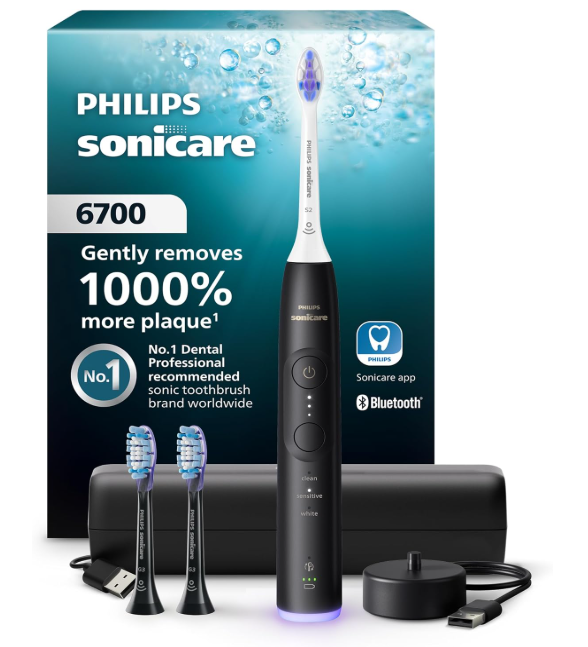
The modern electric toothbrush is no longer just a motorized brush — it is a preventive dental device designed to actively improve gum health, plaque control, and brushing technique. The Philips Sonicare 6700 Series stands in the upper-mid premium segment, combining sonic vibration mechanics with real-time feedback and adaptive brushing modes.
In this detailed guide, we examine performance, technology, durability, comfort, and long-term usability to determine how effectively the Sonicare 6700 elevates daily oral care.
Design and Ergonomics: Balanced Weight and Functional Grip
The handle is engineered with a slim cylindrical profile that distributes weight toward the center rather than the motor housing. This matters during two-minute brushing cycles — fatigue directly affects brushing coverage.
Physical highlights
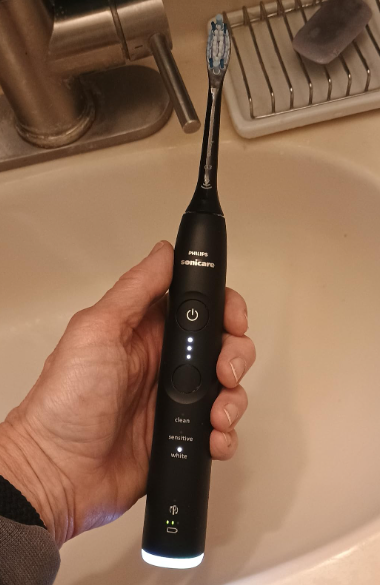
- Matte anti-slip coating prevents water slippage
- Low vibration transfer into the palm
- Compact charging base footprint
- Travel-friendly protective case included
Unlike bulky oscillating brushes, the Sonicare form factor encourages a pen-style hold, which increases brushing accuracy along the gumline.
Sonic Cleaning Technology: How the Motion Actually Cleans
The defining feature is the sonic sweeping motion. Instead of rotating or oscillating mechanically against the tooth, the brush vibrates at high frequency to move fluid across the enamel surface and into interdental spaces.
Dynamic Fluid Action
The bristles do not need to physically enter tight gaps. The micro-bubbles generated by rapid vibration disrupt plaque biofilm beyond direct contact.
Brushing Modes and Intensity Settings
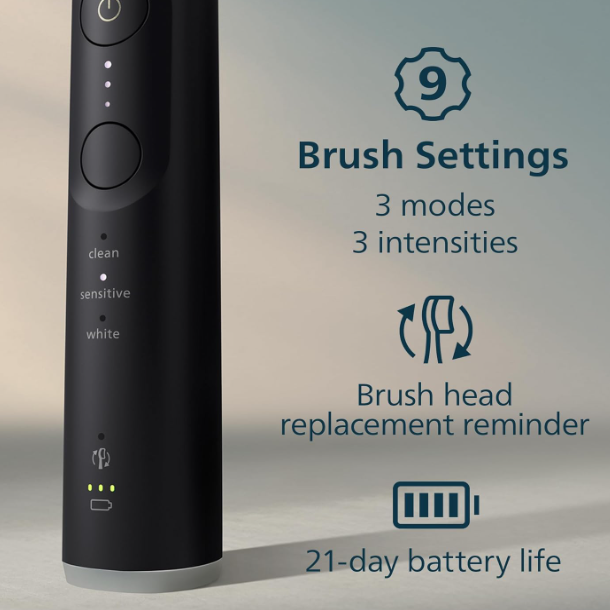
The Sonicare 6700 offers 3 cleaning modes combined with 3 intensity levels — totaling 9 brushing combinations.
Cleaning Modes
| Mode | Purpose | Ideal User |
|---|---|---|
| Clean | Daily plaque removal | Most users |
| White | Surface stain reduction | Coffee/tea drinkers |
| Gum Care | Extended gentle massage | Sensitive gums |
Intensity Levels
- Low — orthodontics, gum sensitivity
- Medium — balanced daily brushing
- High — deeper plaque removal
The ability to tune intensity matters more than additional modes because gum tolerance varies significantly among individuals.
Pressure Sensor Feedback System
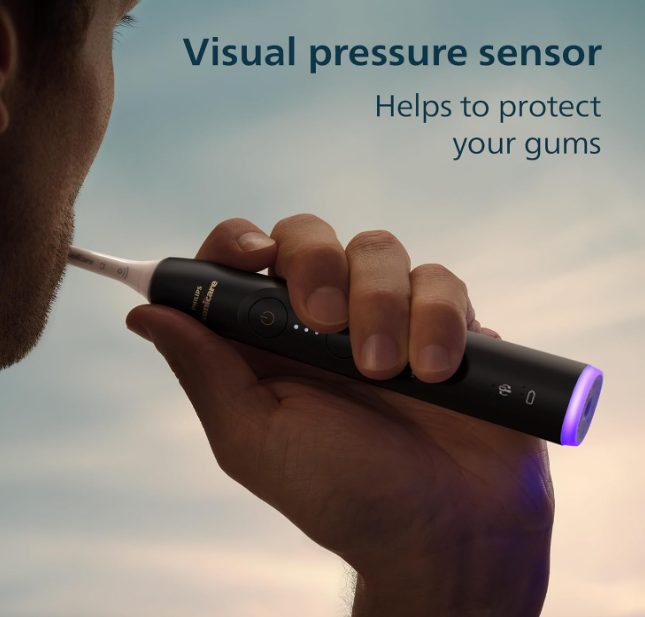
Excess brushing pressure is the most common cause of enamel wear and gum recession when transitioning to electric brushes.
The Sonicare 6700 integrates an active pressure monitoring system.
What happens when pressure increases:
- Brush vibration softens automatically
- Handle vibrates differently
- Audible pulse alerts the user
This teaches proper technique within days — users naturally reduce force over time.
Smarter Timing: SmarTimer and BrushPacer
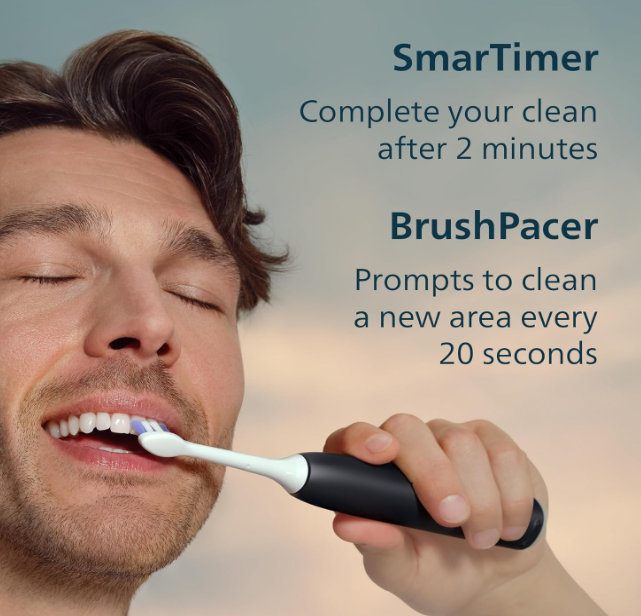
Most people brush for approximately 40–60 seconds manually. The Sonicare system enforces structured brushing.
SmarTimer (2 Minutes)
Ensures full dentist-recommended duration.
BrushPacer (30-Second Intervals)
Divides the mouth into four quadrants:
- Upper right
- Upper left
- Lower right
- Lower left
The brush pauses briefly to signal repositioning, improving coverage consistency.
Bristle Technology and Brush Head Compatibility
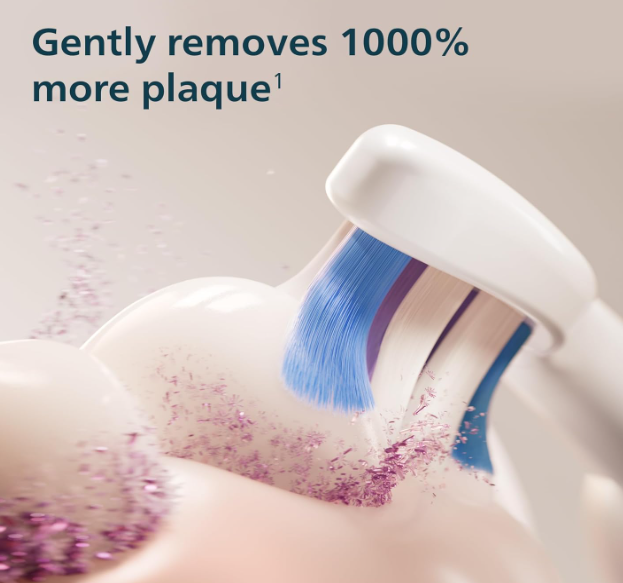
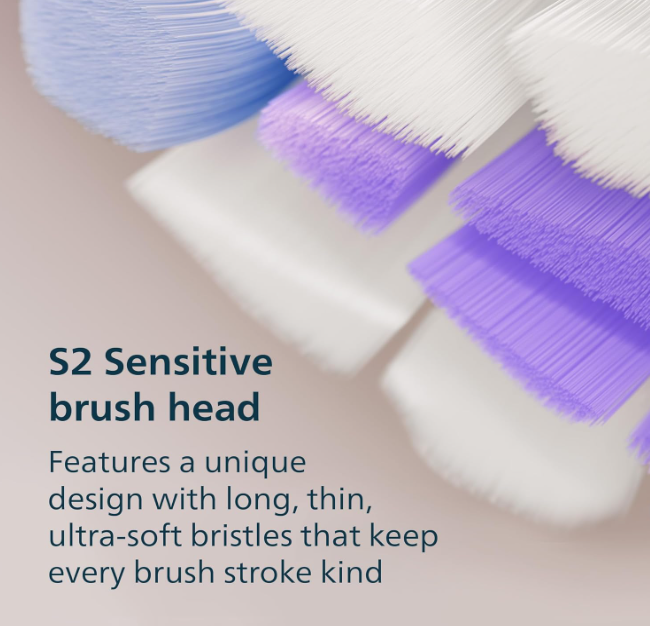
The brush uses snap-on heads designed with angled bristle clusters and tapered filaments.
Advantages
- Reaches along gum margins
- Adapts to curved molar surfaces
- Reduced enamel abrasion
- Better cleaning at low pressure
Compatible head categories typically include:
- Plaque control
- Gum care
- Whitening
- Sensitive
Replacing every 3 months maintains cleaning efficiency as bristle stiffness declines.
Battery Performance and Charging Efficiency
A 21-day runtime places the Sonicare 6700 among long-endurance sonic brushes.
Real-world implications
- Ideal for travel without charger
- Predictable discharge curve
- No sudden shutdown behavior
Charging is inductive — no exposed contacts — which improves water resistance longevity.
Noise and Vibration Comfort
Sonic brushes are often mistaken as louder than oscillating models, but frequency differs from amplitude.
Observed characteristics
- High-pitch hum instead of mechanical grinding
- Lower wrist fatigue
- Minimal teeth rattling sensation
Users transitioning from rotating brushes typically adapt within 2–3 uses.
Gum Health Impact Over Time
Daily use changes brushing technique subconsciously. Instead of scrubbing, users guide the brush slowly across surfaces.
Typical improvement timeline
| Timeframe | Observable Result |
|---|---|
| 3 days | Reduced bleeding |
| 1 week | Smoother enamel feel |
| 2 weeks | Improved gum tone |
| 1 month | Less plaque buildup |
The combination of pressure monitoring and sonic motion contributes to gradual technique correction.
Travel Case and Portability
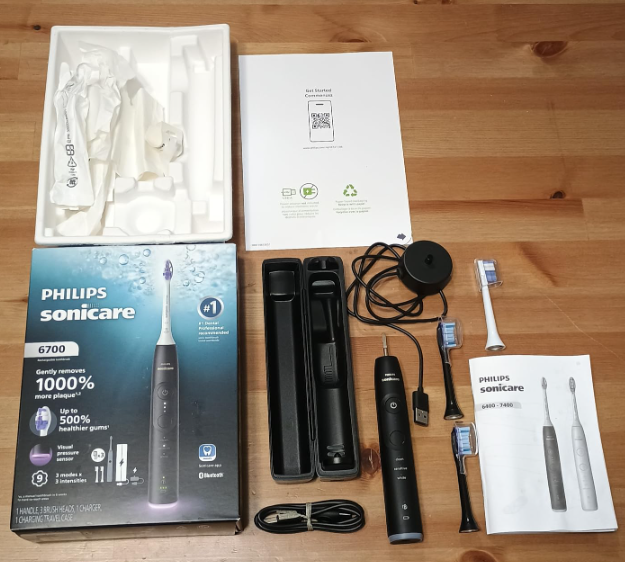
The included travel case protects the brush head from deformation and contamination.
Practical benefits
- Prevents accidental activation
- Shields bristles from compression
- Compact packing footprint
For frequent travelers, the 21-day battery plus protective case removes dependency on charging cables.
Maintenance and Cleaning Requirements
Electric brushes accumulate toothpaste residue internally around the head shaft. Proper maintenance preserves motor life.
Recommended Routine
- Rinse handle after each use
- Remove head weekly and dry connection point
- Air dry vertically
- Avoid sealed humid storage
Neglecting this leads to mineral buildup that affects vibration transmission.
Who Benefits Most From the Sonicare 6700
Ideal users
- Sensitive gums
- Braces wearers
- Gum recession prevention
- First electric toothbrush upgrade
- Users prone to aggressive brushing
Less critical for
- Already perfected manual brushing technique
- Preference for heavy scrubbing sensation
- Ultra-minimal travel packing
Daily Brushing Technique With Sonic Brushes
Unlike manual brushing, pressure and motion must be minimized.
Correct method
- Place bristles at 45° to gumline
- Hold lightly
- Glide slowly across teeth
- Let vibration perform cleaning
- Follow quadrant timer
The brush should feel like guiding, not scrubbing.
Durability and Long-Term Ownership
Key factors affecting lifespan:
- Moisture exposure around head shaft
- Charging cycle frequency
- Storage humidity
Typical longevity ranges between 3–5 years when dried properly after use.
Performance Summary
| Category | Performance |
|---|---|
| Cleaning Coverage | Excellent |
| Gum Comfort | High |
| Learning Curve | Very Low |
| Battery Endurance | Long |
| Noise Level | Mild |
| Maintenance Effort | Minimal |
Final Evaluation
The Philips Sonicare 6700 delivers structured brushing guidance rather than raw power. Its real strength lies in behavior correction — pressure control, pacing, and gentle fluid cleaning — which produces better long-term oral health outcomes compared to aggressive mechanical brushing.
It suits users seeking measurable improvement in brushing technique, not merely a powered replacement for a manual brush.

- Gentle, Effective Plaque Removal: S2 Sensitive brush head with more than 3,000 densely packed, long, thin & ultra-soft b…
- Next-Generation Sonicare Technology: 62,000 bristle movements per minute with zero drop in performance, even in hard-to-…
- Visual Pressure Sensor: A light ring at the base alerts you when you’re pressing too hard; ease off when it lights up to…
FAQs
Is the Sonicare 6700 suitable for sensitive teeth?
Yes. The low intensity combined with sonic fluid cleaning reduces enamel abrasion and gum irritation.
Can it remove stains effectively?
The whitening mode improves surface stain reduction when used consistently with proper toothpaste.
Does it require daily charging?
No. A full charge typically lasts about three weeks under normal twice-daily use.
Is the pressure sensor actually useful?
It trains brushing habits quickly. Most users reduce force unconsciously after a few days.
Can children use this toothbrush?
It can be used by older children under supervision, but the handle size and intensity are primarily designed for adult use.