
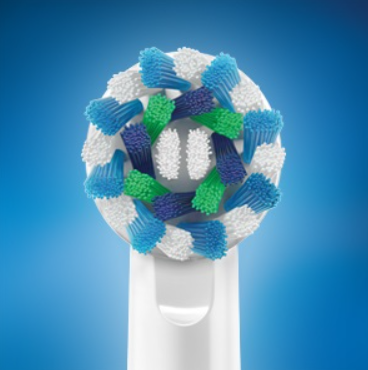
Electric toothbrushes have transformed the way we brush our teeth. With their high-speed oscillations and rotating heads, they clean more efficiently than traditional brushes. But what happens when your Oral-B electric toothbrush suddenly stops spinning?
You press the button… it turns on… but the brush head just sits there like a lazy carousel that refuses to move.
Frustrating, right?
The good news is that this issue is surprisingly common—and often easy to fix without replacing the toothbrush. In this comprehensive guide, we’ll walk through why an Oral-B electric toothbrush might stop spinning, how to troubleshoot the problem step-by-step, and when it’s time to repair or replace your brush.
Think of this guide as a toolbox for your toothbrush—simple solutions first, deeper fixes if needed.
Understanding How an Oral-B Electric Toothbrush Works
Before we troubleshoot the problem, it helps to understand what’s happening inside the handle.
An Oral-B electric toothbrush typically contains:
- A rechargeable battery
- A small electric motor
- A drive shaft
- A gear system
- A rotating brush head attachment
When you press the power button:
- The battery powers the motor
- The motor spins the drive shaft
- The drive shaft rotates the brush head
- Oscillations clean plaque from teeth
If any part of this chain fails, the toothbrush might turn on but not spin.
Common Signs Your Oral-B Toothbrush Isn’t Spinning Properly
Sometimes the problem isn’t obvious at first.
Here are typical symptoms users notice:
- The toothbrush turns on but the head doesn’t rotate
- The brush vibrates but doesn’t spin
- The motor makes noise but no movement occurs
- The head spins slowly or inconsistently
- The toothbrush stops spinning after a few seconds
Each symptom hints at a different underlying cause.
Top Reasons an Oral-B Electric Toothbrush Stops Spinning
Let’s explore the most common culprits.
1. Dead or Weak Battery
A battery nearing the end of its life may power the electronics but lack enough torque for the motor.
Symptoms include:
- Brush turns on but barely moves
- Sluggish or intermittent spinning
- Power dies quickly after charging
Rechargeable toothbrush batteries usually last 3–5 years.
2. Brush Head Is Jammed
Plaque, toothpaste residue, and mineral buildup can create friction.
Over time, this prevents the brush head from rotating.
Signs include:
- Brush works normally without the head
- Head feels stiff when rotated manually
3. Internal Gear Damage
Inside the toothbrush are tiny plastic gears that transfer power from the motor.
If one breaks or slips, the motor runs but the head won’t spin.
You may hear:
- Whirring sounds
- Grinding noises
- Clicking
4. Drive Shaft Issues
The drive shaft connects the motor to the brush head.
If it becomes loose or worn, spinning may stop entirely.
5. Water Damage
Electric toothbrushes are water-resistant—not indestructible.
Water infiltration can damage:
- Circuit boards
- Motors
- Battery terminals
This can cause the brush to power on but fail mechanically.
Quick Troubleshooting Steps
Before assuming your toothbrush is broken, try these simple fixes.
Step-by-Step Diagnostic Checklist
- Remove the brush head
- Turn the toothbrush on
- Observe the metal shaft
- Clean the shaft thoroughly
- Reattach the brush head
- Test again
If the shaft spins normally without the head, the problem is almost always the brush head itself.
How to Fix an Oral-B Toothbrush That Won’t Spin
Now let’s get practical.
Fix #1: Clean the Drive Shaft
Toothpaste buildup is one of the most common causes.
How to clean it
- Remove the brush head
- Run the handle under warm water
- Use a cloth or soft brush
- Rotate the shaft manually
Cleaning removes hardened residue that can stop rotation.
Fix #2: Replace the Brush Head
Sometimes the problem isn’t the handle—it’s the attachment.
Brush heads contain small moving parts that wear out.
Signs you need a new head:
- It feels loose
- It doesn’t spin freely
- It’s more than 3 months old
Replacing the head often instantly fixes the problem.
Fix #3: Fully Recharge the Toothbrush
Low battery power can cause weak or stalled motors.
Charging tips
- Charge for 12–16 hours
- Avoid partial charging cycles
- Use the original charger
After a full charge, test the toothbrush again.
Fix #4: Reset the Toothbrush
Some Oral-B models include electronic controls that can freeze.
Try this reset trick:
- Turn the toothbrush on
- Hold the power button for 10 seconds
- Release and restart
This can reboot internal circuitry.
Fix #5: Remove Internal Debris
If toothpaste or debris enters the shaft mechanism, it can jam the drive system.
Cleaning method
- Remove the brush head
- Rinse the shaft with warm water
- Turn the brush on briefly
- Let debris wash out
Think of it like clearing sand from a bicycle chain.
Advanced Fix: Opening the Toothbrush
If basic fixes fail, the problem may be internal.
⚠️ Note: Opening the toothbrush usually voids warranties.
Inside you’ll find:
- Rechargeable battery
- Motor assembly
- Gear mechanism
Common issues include:
- Broken gears
- Loose motor mounts
- Corroded wiring
Many DIY repair enthusiasts fix these problems using small screwdrivers.
When It’s Time to Replace the Toothbrush
Sometimes repairs simply aren’t worth the effort.
Consider replacing the toothbrush if:
- The battery no longer holds charge
- Internal gears are stripped
- Water damage is severe
- The brush is over 5 years old
Modern electric toothbrushes often include better motors, longer battery life, and improved pressure sensors.
Preventing Your Oral-B Toothbrush From Stopping
Prevention is always easier than repair.
Here are habits that extend toothbrush lifespan.
Smart Maintenance Tips
- Rinse the brush after every use
- Remove and clean the head weekly
- Store upright to dry
- Avoid dropping the toothbrush
- Replace brush heads regularly
These small habits can add years to your toothbrush life.
How Long Should an Oral-B Electric Toothbrush Last?
On average:
| Component | Typical Lifespan |
|---|---|
| Handle | 3–5 years |
| Battery | 3–5 years |
| Brush heads | 3 months |
If your toothbrush stops spinning after several years, it may simply be normal wear and tear.
Comparing Oral-B Technology: Oscillating vs Sonic
Understanding the technology can clarify what’s happening when the brush stops spinning.
Oscillating-Rotating (Oral-B)
- Small round head
- Spins back and forth
- Up to 8,800 rotations per minute
Sonic (Other brands)
- Side-to-side vibration
- Elongated brush head
- Up to 40,000 vibrations per minute
When an Oral-B brush stops spinning, the core oscillating mechanism has likely failed.
Common Mistakes That Damage Electric Toothbrushes
Many failures come from everyday habits.
Avoid these mistakes:
- Dropping the toothbrush repeatedly
- Leaving toothpaste buildup on the shaft
- Charging continuously for months
- Using damaged brush heads
- Submerging the handle in water
Think of your toothbrush like a small power tool for your mouth—it needs care.
Troubleshooting Chart
Here’s a quick reference table.
| Problem | Likely Cause | Solution |
|---|---|---|
| Brush vibrates but doesn’t spin | Jammed brush head | Replace head |
| Motor noise but no motion | Broken gear | Replace toothbrush |
| Weak spinning | Low battery | Recharge fully |
| Stops after seconds | Internal motor issue | Repair or replace |
| Head stuck | Toothpaste buildup | Clean shaft |
Final Thoughts: Don’t Toss Your Toothbrush Too Quickly
When an Oral-B electric toothbrush stops spinning, it can feel like the end of the road.
But more often than not, the solution is surprisingly simple:
- Clean the shaft
- Replace the brush head
- Recharge the battery
A toothbrush that seems “dead” may just need five minutes of maintenance.
And when it truly reaches the end of its life? Consider it a signal to upgrade—your teeth will thank you.
FAQs
Why is my Oral-B toothbrush vibrating but not spinning?
This usually means the brush head is jammed or worn out. Try removing the head and replacing it with a new one.
Can an Oral-B toothbrush motor be repaired?
Technically yes, but repairs are difficult. Most users replace the toothbrush because the motor and gear system are sealed.
How do I know if my toothbrush battery is dead?
Signs include weak spinning, short run times, or failure to charge. Most electric toothbrush batteries last 3–5 years.
Why does my toothbrush stop spinning after a few seconds?
This may indicate motor overheating, battery failure, or internal gear damage.
Should I replace the brush head if the toothbrush stops spinning?
Yes. A worn or jammed brush head is the most common cause of spinning problems.