
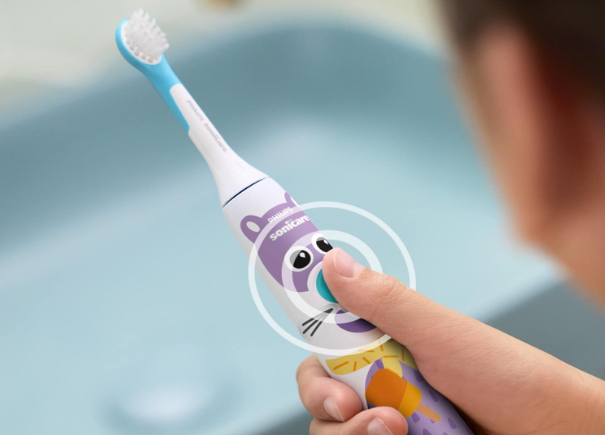
Electric toothbrushes have quietly become one of the most common gadgets in modern bathrooms. We charge them every few days, trust them to keep our teeth sparkling, and rarely stop to wonder: how much electricity does an electric toothbrush actually use?
It’s a fair question. In an age where we’re counting watts, trimming energy bills, and thinking about sustainability, even the smallest devices deserve a closer look.
The good news? Electric toothbrushes are among the most energy-efficient appliances you can own. In fact, the electricity they consume is so tiny that it’s almost negligible compared to everyday devices like smartphones, laptops, or hair dryers.
Let’s dive deeper and unpack everything—from energy consumption and charging habits to costs, environmental impact, and tips to reduce power usage even further.
Understanding Electric Toothbrush Power Consumption
Before we talk numbers, we need to understand how electric toothbrushes use electricity.
Unlike many home devices, electric toothbrushes:
- Use small rechargeable batteries
- Operate for short periods of time
- Require minimal power to function
Most modern electric toothbrushes from brands like Oral-B and Philips Sonicare rely on rechargeable lithium-ion or nickel-metal hydride batteries.
These batteries store just enough energy to power a motor that vibrates or oscillates the brush head.
Typical Power Ratings
Most electric toothbrush chargers use:
- 1 to 2 watts while charging
- Less than 0.5 watts on standby
To put that into perspective:
| Device | Average Power |
|---|---|
| Electric toothbrush charger | 1–2 W |
| Smartphone charger | 5–20 W |
| Laptop charger | 45–90 W |
| Hair dryer | 1500 W |
So even at maximum charging, the toothbrush uses a fraction of the electricity of typical electronics.
How Much Electricity Does an Electric Toothbrush Use Per Charge?
Let’s break down the math.
A typical electric toothbrush battery holds about:
- 2–5 watt-hours (Wh)
That means a full charge requires roughly 0.002–0.005 kilowatt-hours (kWh).
Example Calculation
If your toothbrush battery stores 4 Wh, then:
- 4 Wh = 0.004 kWh
If electricity costs around $0.15 per kWh in the U.S.:
Cost per charge:
0.004 × $0.15 = $0.0006
That’s less than one tenth of a cent per charge.
Yes—literally fractions of a penny.
Electricity Used Per Year
Let’s estimate yearly consumption.
Most electric toothbrushes:
- Run 2 minutes per brushing
- Are used twice per day
- Require charging once every 1–2 weeks
Annual Charging Estimate
Assuming:
- 4 Wh per charge
- 30 charges per year
Total electricity used annually:
4 Wh × 30 = 120 Wh
Converted to kWh:
120 Wh = 0.12 kWh per year
Yearly Cost
At $0.15 per kWh:
0.12 × $0.15 = $0.018
That’s less than two cents per year.
In other words, your electric toothbrush costs about the same as leaving a light on for a few minutes.
Comparing Electric Toothbrush Energy Use to Other Devices
To really appreciate how little electricity a toothbrush uses, let’s compare.
| Device | Annual Energy Use |
|---|---|
| Electric toothbrush | 0.1–0.2 kWh |
| Smartphone charging | 2–6 kWh |
| Laptop | 30–70 kWh |
| Refrigerator | 400–700 kWh |
Your refrigerator uses thousands of times more electricity than your toothbrush.
So from an energy perspective, worrying about toothbrush electricity usage is like worrying about the fuel used by a bicycle.
Why Electric Toothbrushes Use So Little Power
There are several reasons why these devices are incredibly energy-efficient.
1. Small Motors
The motor inside an electric toothbrush is tiny—just powerful enough to create vibrations.
Typical speeds:
- Oscillating brushes: 7,000–8,000 strokes per minute
- Sonic brushes: 30,000–60,000 vibrations per minute
Despite these impressive numbers, the motor itself consumes very little power.
2. Short Usage Time
Most people brush their teeth:
- 4 minutes per day total
Compare that to:
- Smartphones: 3–6 hours daily
- TVs: 3–5 hours daily
- Computers: 8+ hours daily
Even if the toothbrush motor used several watts, the brief runtime keeps consumption extremely low.
3. Efficient Rechargeable Batteries
Modern electric toothbrushes use efficient rechargeable batteries that:
- Store energy effectively
- Lose very little power during charging
- Last 7–21 days per charge
This drastically reduces the number of charging cycles per year.
Electric Toothbrush Charging Systems
Not all toothbrushes charge the same way.
Inductive Charging
Most electric toothbrushes use inductive charging.
This means:
- No exposed metal contacts
- Energy transfers through electromagnetic fields
- Safer in wet environments
However, inductive charging is slightly less efficient than wired charging.
Typical efficiency:
- 70–85% energy transfer
Even so, the power involved is so small that the energy loss is practically insignificant.
Standby Power: Does the Charger Waste Electricity?
Some people leave the toothbrush permanently on the charger.
Does that waste electricity?
The answer: barely.
Most chargers consume:
- 0.3–0.5 watts on standby
If left plugged in all year:
0.5 W × 24 × 365 = 4.38 kWh per year
Cost:
4.38 × $0.15 ≈ $0.65 annually
Still less than one dollar.
Manual vs Electric Toothbrush Energy Footprint
You might wonder:
Is a manual toothbrush more energy efficient?
Technically yes—because it uses no electricity.
But the difference is negligible when considering total environmental impact.
Energy Comparison
| Toothbrush Type | Electricity Used |
|---|---|
| Manual toothbrush | 0 kWh |
| Electric toothbrush | ~0.12 kWh per year |
That’s roughly the same energy used by:
- Charging a smartphone one time.
Environmental Impact of Electric Toothbrushes
Electricity consumption isn’t the biggest environmental factor.
The bigger considerations are:
- Battery manufacturing
- Electronic waste
- Plastic components
Ways to Reduce Environmental Impact
- Replace brush heads instead of entire toothbrush
- Choose models with long battery life
- Recycle electronics responsibly
- Avoid constantly leaving chargers plugged in
Do Sonic Toothbrushes Use More Electricity?
Sonic toothbrushes—like those from Philips Sonicare—vibrate much faster than oscillating brushes.
But interestingly, they do not necessarily use more power.
Most sonic toothbrushes consume around:
- 1–2 watts during operation
Which is still extremely low.
The difference between sonic and oscillating brushes in energy consumption is virtually unnoticeable on your electricity bill.
How Battery Type Affects Energy Usage
Electric toothbrushes typically use two battery types.
Nickel-Metal Hydride (NiMH)
Older models often used NiMH batteries.
Characteristics:
- Cheaper
- Lower energy density
- Slightly more charging cycles required
Lithium-Ion Batteries
Modern models increasingly use lithium-ion batteries.
Advantages:
- Higher capacity
- Faster charging
- Longer lifespan
- Less energy loss
These batteries improve overall efficiency.
How to Reduce Electric Toothbrush Energy Usage
Even though the electricity cost is tiny, efficiency is always good practice.
Smart Charging Habits
Consider these tips:
- Unplug charger when not in use
- Charge only when battery is low
- Avoid permanent charging
- Use energy-efficient models
These habits reduce standby consumption.
Electric Toothbrush Energy in the Context of Your Home
Let’s put things in perspective.
If every person in a household used an electric toothbrush:
- 4 people × 0.12 kWh/year = 0.48 kWh per year
That’s roughly equal to:
- Running a microwave for 20 minutes
So even in a large household, electric toothbrush electricity usage is trivial.
Why Energy Efficiency Matters Anyway
Even though toothbrush energy use is tiny, the concept is important.
Understanding energy consumption helps us:
- Build sustainable habits
- Choose efficient appliances
- Reduce unnecessary standby power
Small awareness adds up across millions of devices.
Are Electric Toothbrushes Worth the Electricity?
Absolutely.
Most dentists recommend electric toothbrushes because they:
- Remove more plaque
- Improve gum health
- Provide timers for proper brushing
- Encourage better brushing habits
The microscopic electricity usage is a tiny trade-off for improved dental health.
Closing Thoughts
When we ask “how much electricity does an electric toothbrush use?”, the answer is surprisingly small.
In fact:
- Annual electricity use is around 0.1–0.2 kWh
- Yearly cost is just a few cents
- Even standby power rarely exceeds $1 per year
In the grand scheme of household energy consumption, electric toothbrushes are one of the most efficient gadgets we use daily.
So go ahead—brush twice a day with confidence. Your teeth will thank you, and your electricity bill won’t even notice.
Frequently Asked Questions
1. Does leaving an electric toothbrush on the charger use electricity?
Yes, but very little. Most chargers consume 0.3–0.5 watts on standby, costing less than $1 per year.
2. How many watts does an electric toothbrush use?
During charging, most toothbrushes use 1–2 watts, while the motor itself uses roughly 1 watt during operation.
3. How much does it cost to charge an electric toothbrush?
Typically less than one cent per charge and around two cents per year in electricity.
4. Is an electric toothbrush energy efficient?
Yes. Electric toothbrushes are among the most energy-efficient household devices due to their short runtime and small batteries.
5. Do sonic toothbrushes use more electricity?
Not significantly. Sonic toothbrushes operate at higher speeds but usually consume about the same amount of power as oscillating models.