
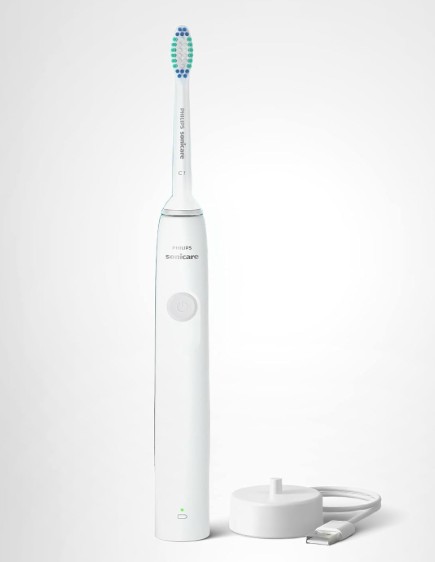
When we invest in an electric toothbrush, we often focus on the handle, battery life, and cleaning technology. Yet the real hero of the brushing experience is the brush head itself. If you’re using a Philips Sonicare 1100 toothbrush, understanding replacement heads can make the difference between average oral hygiene and a truly professional-level clean.
In this comprehensive guide, we’ll explore everything you need to know about Philips Sonicare 1100 replacement heads, including compatibility, replacement schedules, maintenance tips, cost-saving strategies, and how to choose the best brush head for your needs.
Why Philips Sonicare 1100 Replacement Heads Matter
Think of your toothbrush head like the tires on a car. No matter how advanced the vehicle is, worn-out tires reduce performance and safety.
The same principle applies to your Sonicare toothbrush. As bristles wear down, their ability to remove plaque decreases significantly. Replacing your brush head regularly ensures you continue receiving the cleaning power Philips Sonicare is known for.
Benefits of fresh replacement heads include:
- Better plaque removal
- Improved gum health
- More effective stain reduction
- Enhanced brushing comfort
- Consistent sonic cleaning performance
A new brush head can instantly make your toothbrush feel brand new again.
Understanding the Philips Sonicare 1100
The Philips Sonicare 1100 is one of the brand’s entry-level electric toothbrushes, designed for users seeking simplicity and effectiveness.
Key features include:
- Sonic cleaning technology
- Slim ergonomic handle
- Easy-Start function
- SmartTimer
- QuadPacer guidance
Although the handle itself is important, the replacement head determines how efficiently those sonic vibrations are transferred to your teeth and gums.
How Sonic Technology Works with Replacement Heads
Unlike traditional electric toothbrushes that rely mainly on spinning motions, Sonicare toothbrushes use high-frequency vibrations.
The Science Behind Sonic Cleaning
The brush head vibrates thousands of times per minute, creating fluid movement that helps clean:
- Between teeth
- Along the gumline
- Hard-to-reach areas
- Tight spaces around dental work
A worn brush head weakens this effect, reducing cleaning efficiency.
Which Replacement Heads Fit the Philips Sonicare 1100?
One of the most common questions is whether all Sonicare brush heads fit the 1100 model.
The good news is that most click-on Philips Sonicare replacement heads are compatible with the Sonicare 1100.
Common compatible options include:
- C1 SimplyClean
- C2 Optimal Plaque Control
- C3 Premium Plaque Control
- G2 Optimal Gum Care
- W2 Optimal White
- A3 Premium All-in-One
This broad compatibility gives users plenty of choices.
The Most Popular Philips Sonicare 1100 Replacement Heads
C1 SimplyClean
The C1 SimplyClean is often included with entry-level Sonicare models.
Benefits:
- Affordable
- Reliable cleaning
- Good for everyday use
- Easy to find
For budget-conscious users, it’s an excellent choice.
C2 Optimal Plaque Control
The C2 is one of the most recommended options.
Advantages include:
- Excellent plaque removal
- Gentle cleaning
- Balanced performance
- Great value
Many users consider it the sweet spot between cost and performance.
C3 Premium Plaque Control
If plaque removal is your top priority, the C3 deserves consideration.
Benefits:
- Advanced flexible design
- Enhanced surface contact
- Superior cleaning power
- Premium build quality
This brush head feels like upgrading from economy class to business class.


Choosing the Right Brush Head for Your Oral Health Goals
Not every mouth has the same needs.
For Plaque Removal
Choose:
- C2 Optimal Plaque Control
- C3 Premium Plaque Control
These are designed specifically to target plaque buildup.
For Gum Care
Choose:
- G2 Optimal Gum Care
This option focuses on gentle cleaning around sensitive gum tissue.
For Whitening
Choose:
- W2 Optimal White
It helps remove surface stains caused by:
- Coffee
- Tea
- Wine
- Smoking
For All-in-One Performance
Choose:
- A3 Premium All-in-One
This premium option combines plaque removal, gum care, and whitening benefits.
How Often Should You Replace Philips Sonicare 1100 Brush Heads?
Dental professionals generally recommend replacing brush heads every three months.
However, some users may need more frequent replacements.
Factors that shorten brush head lifespan include:
- Heavy brushing pressure
- Braces
- Frequent brushing
- Aggressive cleaning habits
A simple rule: if the bristles look tired, your brush head probably is too.
Signs Your Brush Head Needs Replacement
Frayed Bristles
This is the most obvious indicator.
When bristles spread outward, cleaning efficiency drops dramatically.
Reduced Cleaning Performance
Does your mouth feel less fresh after brushing?
A worn brush head may be the culprit.
Discoloration of Indicator Bristles
Many Philips brush heads include reminder bristles that fade over time.
When the color fades significantly, replacement is recommended.
Visible Wear
Bent, flattened, or uneven bristles indicate it’s time for a new head.
Step-by-Step Guide to Replacing Philips Sonicare 1100 Brush Heads
Replacing a brush head is incredibly simple.
Step 1: Remove the Old Head
Grip the brush head firmly and pull upward.
Step 2: Clean the Connection Point
Use a damp cloth to remove residue.
Step 3: Attach the New Head
Align the new brush head and push it into place.
Step 4: Check Fit
Ensure the brush head clicks securely onto the handle.
The entire process takes less than a minute.
Genuine vs Third-Party Replacement Heads
This debate comes up frequently.
Advantages of Genuine Philips Heads
- Quality assurance
- Reliable compatibility
- Consistent cleaning performance
- Durable bristles
- Manufacturer support
Advantages of Third-Party Alternatives
- Lower cost
- Large variety
- Bulk purchasing options
Potential Drawbacks of Generic Heads
Some third-party heads may:
- Wear out faster
- Fit loosely
- Deliver weaker cleaning performance
- Use lower-quality materials
The cheapest option isn’t always the best value.
Are Premium Brush Heads Worth the Extra Cost?
Many users wonder whether upgrading from a C1 to a premium model is worthwhile.
The answer depends on your goals.
Premium heads typically offer:
- Better plaque removal
- Improved comfort
- Longer-lasting bristles
- Enhanced cleaning coverage
For people with gum concerns or significant plaque buildup, the upgrade can be worthwhile.
How Replacement Heads Affect Gum Health
Healthy gums are the foundation of oral health.
Fresh brush heads help by:
- Cleaning gently along the gumline
- Reducing plaque accumulation
- Minimizing irritation
- Supporting healthier gum tissue
Using worn bristles is like trying to paint a wall with an old brush—it simply doesn’t perform as intended.
Traveling with Philips Sonicare 1100 Replacement Heads
Frequent travelers should keep extra brush heads available.
Helpful tips include:
- Pack a spare head
- Use protective covers
- Store heads in a dry location
- Replace after extended travel if needed
A backup brush head can save an entire trip.
Proper Storage for Maximum Brush Head Life
Storage matters more than many people realize.
Best Practices
- Allow heads to air dry
- Store upright
- Avoid sealed wet containers
- Rinse thoroughly after use
What to Avoid
- Constantly damp environments
- Closed containers without ventilation
- Shared storage with multiple brushes
Proper storage extends hygiene and longevity.
Money-Saving Tips When Buying Replacement Heads
Brush heads can become expensive over time.
Buy Multi-Packs
Larger packs often lower the cost per head.
Watch for Seasonal Sales
Major shopping events frequently include discounts.
Subscribe and Save Programs
Many retailers offer automatic delivery discounts.
Compare Cost Per Head
Always calculate the actual cost per brush head rather than focusing on package price.
Smart shopping can significantly reduce annual costs.
Mistakes People Make with Philips Sonicare 1100 Replacement Heads
Many users unknowingly reduce brushing effectiveness.
Common mistakes include:
- Waiting too long to replace heads
- Using incompatible heads
- Brushing too aggressively
- Sharing brush heads
- Ignoring fading reminder bristles
Avoiding these mistakes helps maximize oral health benefits.
The Environmental Impact of Replacement Heads
As sustainability becomes increasingly important, many users are looking for ways to reduce waste.
Ideas include:
- Purchasing larger packs
- Recycling programs where available
- Extending life through proper maintenance
- Selecting durable genuine heads
Small changes can make a meaningful difference over time.
How Dentists View Sonicare Replacement Heads
Many dental professionals appreciate Sonicare’s combination of sonic technology and specialized brush head designs.
Reasons dentists often recommend timely replacement include:
- Better plaque control
- More consistent cleaning
- Improved patient compliance
- Enhanced gum health outcomes
Even the best toothbrush can only perform as well as the brush head attached to it.
Comparing Popular Philips Sonicare 1100 Compatible Heads
| Brush Head | Best For | Price Level | Plaque Removal | Gum Care |
|---|---|---|---|---|
| C1 SimplyClean | Everyday use | Low | Good | Good |
| C2 Optimal Plaque Control | Most users | Medium | Excellent | Very Good |
| C3 Premium Plaque Control | Maximum cleaning | High | Outstanding | Excellent |
| G2 Optimal Gum Care | Sensitive gums | Medium | Very Good | Outstanding |
| W2 Optimal White | Stain removal | Medium | Very Good | Good |
| A3 Premium All-in-One | Complete care | High | Excellent | Excellent |
Final Thoughts on Philips Sonicare 1100 Replacement Heads
The Philips Sonicare 1100 may be an entry-level electric toothbrush, but its performance depends heavily on the replacement head you choose. Whether you prioritize plaque removal, whitening, gum health, or overall value, there’s a compatible Sonicare brush head designed for your specific needs.
Regular replacement every three months, proper storage, and choosing quality brush heads will ensure your toothbrush continues delivering the clean, fresh feeling that makes electric brushing so effective. Think of replacement heads as the engine of your oral care routine—small in size, but enormous in impact.
Frequently Asked Questions
1. Which replacement head comes with the Philips Sonicare 1100?
Most Philips Sonicare 1100 models typically include a C1 SimplyClean brush head, though package contents may vary by region.
2. Can I use premium Sonicare brush heads on the 1100 handle?
Yes. The Philips Sonicare 1100 is compatible with most click-on Sonicare brush heads, including premium options like the C3 and A3.
3. How often should I replace my Sonicare 1100 brush head?
Most dental professionals recommend replacing the brush head every three months.
4. Are generic replacement heads safe to use?
Many third-party heads work adequately, but quality varies significantly. Genuine Philips heads generally provide the most reliable performance.
5. What is the best replacement head for plaque removal?
The C3 Premium Plaque Control is widely regarded as one of the best options for maximum plaque removal.