
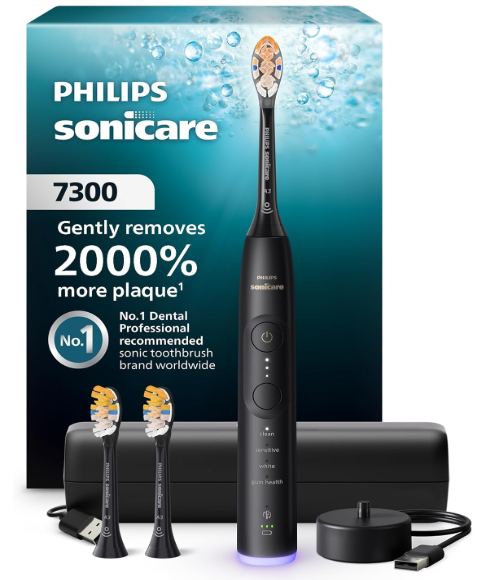
When we invest in a premium electric toothbrush, it’s easy to focus on the handle, the smart features, and the cleaning modes. Yet the real star of the show is often the brush head. If you’re using the Philips Sonicare 7300, choosing the right toothbrush head can make the difference between a good clean and an exceptional one.
The Philips Sonicare 7300 is designed to deliver powerful sonic cleaning, but its performance largely depends on the brush head attached to it. Think of the handle as the engine and the brush head as the tires. Even the most powerful sports car struggles with the wrong tires, and the same principle applies to electric toothbrushes.
In this comprehensive guide, we’ll explore everything you need to know about Philips Sonicare 7300 toothbrush heads, including compatibility, replacement schedules, cleaning performance, available options, maintenance tips, and how to choose the perfect brush head for your oral health needs.
Why Toothbrush Heads Matter More Than You Think
Many people underestimate the importance of brush heads. We often focus on toothpaste, flossing habits, or whitening products while overlooking the component that physically removes plaque from our teeth.
The brush head is responsible for:
- Removing plaque and bacteria
- Polishing tooth surfaces
- Stimulating gum tissue
- Reaching difficult areas
- Improving overall oral hygiene
A worn brush head can reduce cleaning efficiency dramatically, even if your toothbrush handle is functioning perfectly.
The Science Behind Sonic Technology
The Philips Sonicare 7300 uses sonic vibrations that create thousands of brush strokes every minute. These rapid movements generate fluid action that helps clean areas beyond where the bristles physically touch.
The brush head acts as the delivery mechanism for this technology. Without a quality brush head, the sonic performance cannot reach its full potential.
Understanding Philips Sonicare 7300 Compatibility
One of the biggest advantages of the Philips Sonicare ecosystem is compatibility.
Most click-on Sonicare brush heads work with the Philips Sonicare 7300, giving users tremendous flexibility.
Compatible brush heads typically include:
- C2 Optimal Plaque Control
- C3 Premium Plaque Control
- G2 Optimal Gum Care
- W2 Optimal White
- A3 Premium All-in-One
- Sensitive brush heads
- TongueCare attachments
This compatibility allows us to customize our brushing experience based on changing dental needs.
The Most Popular Philips Sonicare 7300 Toothbrush Heads
Let’s examine the most commonly used options available for the Sonicare 7300.
C2 Optimal Plaque Control
The C2 Optimal Plaque Control remains one of the most popular choices.
Its primary goal is plaque removal, making it ideal for everyday use.
Benefits include:
- Excellent plaque reduction
- Affordable replacement cost
- Consistent cleaning performance
- Comfortable brushing experience
For many users, this brush head strikes the perfect balance between performance and value.
C3 Premium Plaque Control
The C3 Premium Plaque Control represents a step up in cleaning capability.
Its flexible design allows the bristles to adapt to tooth contours more effectively.
Advantages include:
- Enhanced plaque removal
- Better contact with tooth surfaces
- Improved access to hard-to-reach areas
- Premium brushing feel
Many dental professionals recommend this option for users seeking maximum plaque control.
Choosing a Brush Head for Gum Health
Healthy gums are the foundation of a healthy smile.
If gum care is your priority, specialized brush heads can make a noticeable difference.
G2 Optimal Gum Care
The G2 brush head focuses specifically on gum health.
Its softer design helps clean along the gumline while minimizing irritation.
Key benefits include:
- Gentle cleaning action
- Reduced gum inflammation
- Improved gum stimulation
- Comfortable daily use
People with sensitive gums often find this brush head especially beneficial.
Who Should Use Gum Care Brush Heads?
These brush heads may be ideal for:
- People with gingivitis
- Individuals with gum sensitivity
- Older adults
- Orthodontic patients
- Users recovering from dental procedures
The Best Sonicare 7300 Brush Head for Whitening
Many users want cleaner teeth and a brighter smile simultaneously.
Fortunately, Sonicare offers brush heads specifically designed for stain removal.
W2 Optimal White
The W2 Optimal White brush head focuses on removing surface stains.
It works particularly well against stains caused by:
- Coffee
- Tea
- Red wine
- Tobacco
- Dark-colored foods
While it won’t replace professional whitening treatments, it can significantly improve tooth brightness over time.
How Whitening Brush Heads Work
Rather than bleaching teeth, whitening brush heads polish away surface discoloration.
Think of them as a gentle polishing cloth that gradually reveals a brighter smile underneath.
The Premium Choice: A3 All-in-One Brush Head
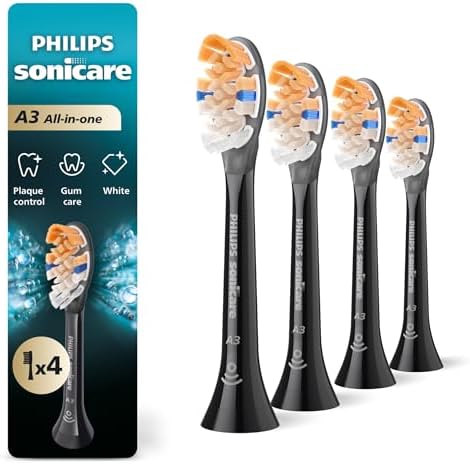
The A3 Premium All-in-One has become one of Philips’ most advanced brush heads.
Instead of focusing on a single goal, it combines multiple benefits into one design.
What Makes the A3 Different?
The A3 is engineered to:
- Remove plaque
- Improve gum health
- Reduce surface stains
- Adapt to tooth contours
- Deliver comprehensive cleaning
For users who don’t want to switch between different brush heads, the A3 often represents the most versatile option.
Why Many Users Prefer the A3
The biggest advantage is simplicity.
Instead of choosing between plaque control, whitening, or gum care, the A3 attempts to provide all three benefits simultaneously.
Smart Features and BrushSync Technology
One of the standout features of the Philips Sonicare 7300 is BrushSync technology.
This intelligent system communicates with compatible brush heads.
How BrushSync Works
BrushSync can:
- Identify the installed brush head
- Automatically select an appropriate cleaning mode
- Track brush head usage
- Notify users when replacement is needed
This smart integration helps maintain optimal brushing performance.
Benefits of Automatic Mode Pairing
Automatic mode pairing removes guesswork.
The toothbrush automatically adjusts settings to complement the installed brush head, creating a more personalized cleaning experience.
How Often Should You Replace Sonicare 7300 Toothbrush Heads?
This is one of the most frequently asked questions among Sonicare users.
The Recommended Replacement Schedule
Most dental professionals recommend replacing brush heads every three months.
However, replacement may be needed sooner if:
- Bristles appear frayed
- Cleaning performance decreases
- The brush head becomes damaged
- You have recently been ill
Regular replacement ensures maximum effectiveness.
Why Waiting Too Long Is a Mistake
Worn bristles lose their ability to remove plaque effectively.
Using an old brush head is similar to sweeping a floor with a worn-out broom. The tool still works, but not nearly as well.
Signs Your Brush Head Needs Replacing
Sometimes a brush head reaches the end of its lifespan before the three-month mark.
Watch for these warning signs:
- Splayed bristles
- Faded indicator bristles
- Reduced cleaning performance
- Increased plaque buildup
- Unpleasant odors
When these symptoms appear, replacement is usually the best solution.
Genuine vs. Third-Party Sonicare Brush Heads
Many consumers face the choice between genuine Philips brush heads and aftermarket alternatives.
Advantages of Genuine Brush Heads
Original Philips brush heads offer:
- Guaranteed compatibility
- Consistent quality
- BrushSync functionality
- Reliable durability
- Clinical testing
Potential Drawbacks of Generic Options
Third-party brush heads often cost less, but they may:
- Wear out faster
- Provide inconsistent cleaning
- Lack BrushSync support
- Use lower-quality materials
For users seeking maximum performance, genuine replacements usually provide the most dependable results.
How to Install a Philips Sonicare 7300 Brush Head
Installing a replacement brush head is remarkably simple.
Step-by-Step Installation
- Remove the old brush head.
- Align the new brush head with the metal shaft.
- Push firmly until it clicks into place.
- Ensure it sits securely.
- Begin brushing as normal.
The entire process typically takes less than a minute.
Maintaining Your Brush Heads for Longer Life
Proper care can help maximize brush head performance.
Daily Maintenance Tips
After brushing:
- Rinse thoroughly with water
- Remove excess toothpaste residue
- Allow the brush head to air dry
- Store upright when possible
Weekly Deep Cleaning
Once a week:
- Remove the brush head
- Clean the connection area
- Rinse thoroughly
- Dry completely before reattaching
These simple habits can improve hygiene and extend usability.
Traveling With Philips Sonicare 7300 Brush Heads
Travel can expose brush heads to bacteria, moisture, and physical damage.
Travel Best Practices
When traveling:
- Use a protective case
- Allow the brush head to dry before packing
- Bring a spare replacement
- Avoid storing in sealed wet environments
Proper storage helps maintain hygiene during trips.
Comparing Sonicare Brush Head Types
Quick Comparison Table
| Brush Head | Primary Purpose | Best For |
|---|---|---|
| C2 Optimal Plaque Control | Plaque removal | Everyday cleaning |
| C3 Premium Plaque Control | Advanced plaque removal | Deep cleaning |
| G2 Optimal Gum Care | Gum health | Sensitive gums |
| W2 Optimal White | Stain removal | Brighter smile |
| A3 Premium All-in-One | Complete care | All-around performance |
This comparison helps simplify the selection process.
How Brush Heads Affect Oral Health
The right brush head can influence:
- Plaque levels
- Gum health
- Tooth sensitivity
- Stain accumulation
- Overall dental hygiene
A thoughtfully selected brush head acts like a customized tool tailored to your oral care goals.
The Long-Term Benefits
Over time, using the appropriate brush head can contribute to:
- Fewer dental problems
- Reduced plaque buildup
- Healthier gums
- Improved confidence
- Better oral hygiene habits
Small daily improvements often produce significant long-term results.
Finding the Perfect Philips Sonicare 7300 Toothbrush Head
Choosing the ideal brush head ultimately depends on your priorities.
Ask yourself:
- Is plaque removal my biggest concern?
- Do I want whiter teeth?
- Are my gums sensitive?
- Do I prefer an all-in-one solution?
Answering these questions makes the selection process far easier.


Conclusion
The Philips Sonicare 7300 is a powerful electric toothbrush, but its true effectiveness depends heavily on the brush head you choose. Whether you prioritize plaque removal with the C3 Premium Plaque Control, gum care with the G2 Optimal Gum Care, whitening with the W2 Optimal White, or complete oral care with the A3 Premium All-in-One, there is a solution tailored to your needs.
By replacing brush heads regularly, maintaining them properly, and selecting the right option for your dental goals, we can unlock the full potential of the Sonicare 7300. A toothbrush is only as effective as the brush head attached to it, and investing in the right one is an investment in a healthier, brighter smile.
Frequently Asked Questions
1. Which toothbrush head comes with the Philips Sonicare 7300?
Most Philips Sonicare 7300 models typically include a premium brush head, though the exact type may vary depending on the package and region.
2. Are all Sonicare brush heads compatible with the Sonicare 7300?
Most click-on Sonicare brush heads are compatible with the Sonicare 7300, including C2, C3, G2, W2, and A3 models.
3. How often should I replace my Sonicare 7300 toothbrush head?
Replacement is generally recommended every three months or sooner if the bristles become worn.
4. What is the best Sonicare 7300 brush head for whitening teeth?
The W2 Optimal White brush head is specifically designed for removing surface stains and enhancing tooth brightness.
5. Is the A3 Premium All-in-One worth it?
Yes. The A3 combines plaque removal, gum care, and stain reduction into a single brush head, making it one of the most versatile options available.