
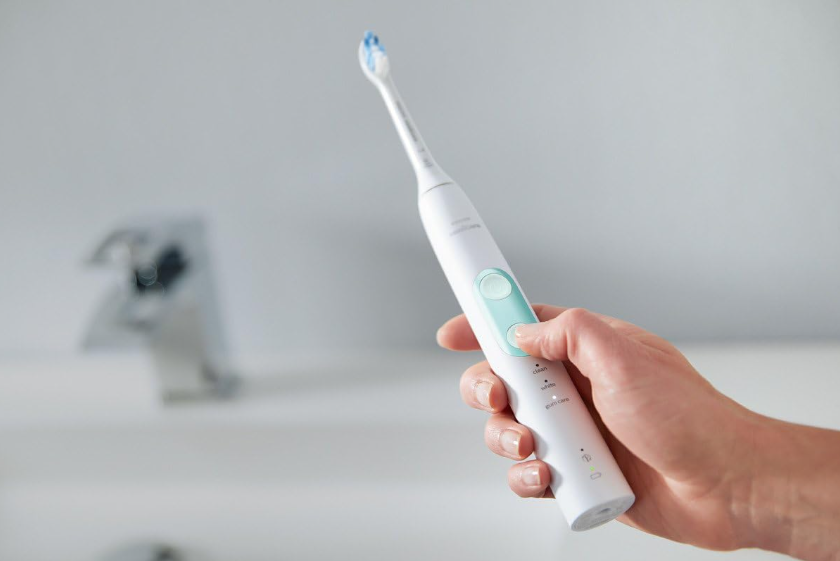
Electric toothbrushes have become the superheroes of modern oral care. They spin, vibrate, pulse, and promise dentist-level cleaning with minimal effort. But what happens when yours suddenly feels… underwhelming? The buzzing is there, the brush head moves, yet your teeth don’t feel as smooth as they used to.
If your electric toothbrush is not cleaning as well, you’re not alone. Many people experience this issue, and the culprit isn’t always the toothbrush itself. Sometimes it’s the brush head, your brushing technique, or even hidden buildup inside the handle.
In this guide, we’ll unpack why an electric toothbrush may stop cleaning effectively, how to fix it, and how to restore that fresh-from-the-dentist feeling every morning.
Why Your Electric Toothbrush May Not Be Cleaning Properly
Let’s start with the obvious question: why does a toothbrush that still works suddenly feel ineffective?
Several factors can reduce cleaning performance over time.
Common causes include:
- Worn-out brush heads
- Weak battery power
- Incorrect brushing technique
- Toothpaste buildup inside the brush head
- Motor wear or internal damage
- Using the wrong brush head type
- Excessive pressure while brushing
Think of it like driving a car with worn tires. The engine may run perfectly, but performance drops dramatically.
Signs Your Electric Toothbrush Isn’t Cleaning Effectively
Sometimes the problem is subtle. Other times it’s glaringly obvious.
Common warning signs
- Teeth feel rough or fuzzy after brushing
- Plaque buildup returns quickly
- Gums feel irritated or inflamed
- The brush sounds weaker than before
- The spinning or vibration feels slower
If you’re noticing any of these, it’s worth investigating further.
The Most Common Cause: Worn-Out Brush Heads
This is the number one reason electric toothbrushes lose cleaning power.
How brush heads wear out
Electric brush heads contain fine bristles designed to flex and sweep plaque away. Over time:
- Bristles bend
- Bristles fray
- Bristles lose stiffness
When that happens, the brush can’t scrub effectively anymore.
How often should you replace brush heads?
Dentists typically recommend replacing them every:
- 3 months
- After illness
- When bristles appear frayed
If your toothbrush isn’t cleaning well, replacing the brush head is the first thing to try.
Using the Wrong Brush Head Type
Not all brush heads are created equal.
Many electric toothbrush brands offer multiple styles:
- Sensitive heads
- Deep cleaning heads
- Gum care heads
- Whitening heads
- Orthodontic heads
Why the wrong head affects cleaning
For example:
- Sensitive heads are softer and may feel weaker.
- Gum care heads focus more on massage than plaque removal.
If you want maximum cleaning, look for “Cross Action” or “Plaque Control” heads.
Your Brushing Technique Might Be the Problem
Ironically, electric toothbrushes require less movement, not more.
Yet many people brush like they would with a manual toothbrush—scrubbing back and forth aggressively.
Correct electric toothbrush technique
Instead of scrubbing, try this method:
- Place the brush head on one tooth.
- Hold it there for 2–3 seconds.
- Move slowly to the next tooth.
- Let the brush do the work.
Common mistakes
- Brushing too fast
- Applying too much pressure
- Skipping the gumline
- Not brushing long enough
Remember: electric brushes are more like tiny cleaning machines than traditional brushes.
Are You Brushing Long Enough?
Most dentists recommend brushing for two full minutes.
But here’s the reality: many people brush for less than one minute without realizing it.
The quadrant technique
Divide your mouth into four sections:
- Upper left
- Upper right
- Lower left
- Lower right
Spend 30 seconds per section.
Most electric toothbrushes include built-in timers that buzz every 30 seconds to remind you.
Battery Power Can Affect Cleaning Performance
If your toothbrush is rechargeable, battery health plays a big role in performance.
Signs of a weak battery
- Brush slows down
- Vibrations feel weaker
- Motor sounds strained
- Brush dies quickly
As batteries age, they lose the ability to deliver full power.
Quick fix
Try fully charging the toothbrush for 12–24 hours and see if performance improves.
Toothpaste and Debris Buildup Inside the Brush Head
It may sound strange, but toothbrushes get dirty too.
Over time:
- Toothpaste residue
- Hard water minerals
- Saliva buildup
can accumulate inside the brush head.
How buildup affects cleaning
This buildup can:
- Reduce brush movement
- Jam the rotating mechanism
- Cause grinding sounds
Cleaning your brush head
Try this simple method:
- Remove the brush head.
- Soak it in warm water for 10 minutes.
- Rinse thoroughly.
- Let it dry completely.
Too Much Pressure Can Reduce Cleaning Power
Pressing harder doesn’t mean cleaner teeth.
In fact, it can do the opposite.
What happens when you press too hard
- The brush motor slows down
- Bristles flatten against teeth
- Rotation or vibration decreases
Many electric toothbrushes include pressure sensors that warn you when you’re brushing too hard.
Cheap Electric Toothbrushes Often Lose Performance Faster
Budget toothbrushes can work well initially, but they often have:
- weaker motors
- fewer brush head options
- shorter battery life
Premium models from brands like Oral‑B or Philips Sonicare typically maintain consistent performance longer.
Hard Water Can Affect Cleaning Results
If you live in an area with hard water, mineral deposits can form on bristles.
These minerals make bristles stiff and less effective.
Signs of mineral buildup
- White chalky residue
- Rough bristles
- Reduced vibration
Solution
Occasionally soak the brush head in:
- warm water
- diluted vinegar
This helps dissolve mineral deposits.
Your Toothpaste Might Be the Problem
Surprisingly, toothpaste also plays a role.
Highly abrasive toothpaste
Some whitening toothpastes contain:
- silica particles
- polishing compounds
These can wear down bristles faster.
Better option
Look for toothpaste labeled:
- enamel safe
- low abrasion
- dentist recommended
Internal Motor Wear Over Time
Electric toothbrush motors don’t last forever.
After years of use, the motor can lose power.
Signs of motor wear
- weaker vibration
- inconsistent spinning
- strange rattling noises
If your toothbrush is 3–5 years old, it may simply be reaching the end of its life.
How to Restore Your Toothbrush’s Cleaning Power
Before replacing your toothbrush, try these steps.
Step-by-step troubleshooting
- Replace the brush head.
- Fully charge the battery.
- Clean the brush head connection.
- Improve brushing technique.
- Brush for a full two minutes.
- Reduce pressure while brushing.
In many cases, these simple fixes restore performance instantly.
Simple Habits That Improve Electric Toothbrush Performance
Let’s talk prevention.
Daily habits
- Rinse the brush head after every use.
- Store upright so it can dry.
- Avoid leaving toothpaste buildup.
Monthly habits
- Deep clean the brush head.
- Inspect bristles for wear.
- wipe the handle connection.
Think of it as maintenance for your oral hygiene tool.
When It’s Time to Replace Your Electric Toothbrush
Sometimes, repairs aren’t enough.
Replace your toothbrush if
- The motor sounds weak
- The battery won’t hold charge
- The handle overheats
- Cleaning performance drops permanently
A new toothbrush every 3–5 years is common for regular users.
Professional Tips for Getting Dentist-Level Cleaning
Want to level up your brushing routine?
Try these dentist-approved strategies.
Use the angle technique
Hold the brush at 45 degrees toward the gumline.
Use slow movements
Let the brush glide tooth by tooth.
Don’t forget these areas
- back molars
- inside teeth
- tongue surface
Your toothbrush should cover every corner of your mouth.
The Bottom Line
When an electric toothbrush stops cleaning effectively, the cause is rarely mysterious. Most of the time, the solution is simple:
- replace the brush head
- adjust brushing technique
- charge the battery
- clean buildup
Think of your toothbrush as a tiny cleaning robot. Give it proper maintenance, and it will reward you with fresher breath, healthier gums, and a brighter smile.
And if it’s truly worn out? Well, sometimes the best fix is simply welcoming a new toothbrush into your morning routine.
Frequently Asked Questions
Why does my electric toothbrush feel weaker than before?
The most common reason is a worn brush head or low battery power. Replacing the brush head or fully charging the toothbrush usually fixes the problem.
Can an electric toothbrush lose cleaning power?
Yes. Over time, motors weaken, brush heads wear out, and batteries degrade, which can reduce cleaning effectiveness.
How do I know if my toothbrush head needs replacing?
If the bristles are frayed, bent, or faded in color, it’s time for a replacement. Most heads last about three months.
Why do my teeth still feel dirty after brushing?
Possible causes include brushing too quickly, using worn brush heads, applying too much pressure, or brushing for less than two minutes.
Should I replace my electric toothbrush or just the head?
Start by replacing the brush head. If the motor feels weak or the battery doesn’t hold a charge, replacing the entire toothbrush may be necessary.