
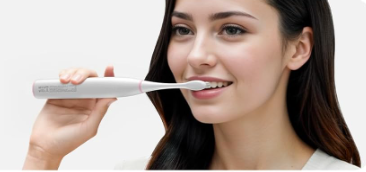
Electric toothbrushes promise something magical: effortless cleaning, healthier gums, and that dentist-fresh feeling every morning. But what happens when your electric toothbrush suddenly stops cleaning effectively? Your teeth feel fuzzy, plaque seems to linger, and brushing feels…well…pointless.
We’ve all been there.
The truth is that when an electric toothbrush is not cleaning properly, the cause is usually simple. It might be a worn brush head, incorrect brushing technique, a weak battery, or even the wrong cleaning mode.
In this guide, we’ll break everything down—from common causes to quick fixes—so you can get your toothbrush working like new again.
Let’s dive in.
Why Your Electric Toothbrush Might Not Be Cleaning Properly
An electric toothbrush is like a tiny cleaning machine. When everything works correctly, the bristles oscillate, vibrate, or rotate thousands of times per minute.
But when something goes wrong, performance drops dramatically.
Common reasons include:
- Worn-out brush heads
- Weak motor or battery issues
- Incorrect brushing technique
- Toothpaste buildup inside the brush head
- Cheap or incompatible replacement heads
- Using the wrong cleaning mode
Sometimes the fix takes 30 seconds. Other times you may need to replace a component.
How Electric Toothbrushes Actually Clean Teeth
Understanding how these brushes work helps diagnose problems faster.
Rotating Electric Toothbrushes
These heads spin in circles to remove plaque.
Advantages:
- Strong mechanical cleaning
- Effective plaque removal
- Great for beginners
Sonic Electric Toothbrushes
These vibrate extremely fast—often 30,000+ strokes per minute.
Benefits include:
- Better reach between teeth
- Fluid motion that pushes toothpaste into gaps
- Gentle on gums
Ultrasonic Toothbrushes
Less common but extremely high frequency.
They rely on microscopic vibrations rather than aggressive motion.
If the brush isn’t moving correctly, cleaning efficiency drops dramatically.
Signs Your Electric Toothbrush Isn’t Cleaning Well
Before troubleshooting, look for these warning signs.
Your Teeth Feel Rough After Brushing
Healthy brushing leaves teeth smooth like glass.
If they feel gritty or fuzzy, plaque is still present.
Bad Breath Returns Quickly
Poor cleaning leaves bacteria behind.
That leads to morning breath by midday.
Visible Plaque Near the Gumline
This is the most common sign your brush isn’t working properly.
Brush Head Movement Looks Weak
A strong brush should visibly move fast.
If it feels sluggish, something’s wrong.
The Most Common Reason: A Worn Brush Head
Let’s start with the most obvious culprit.
How Often Should You Replace Brush Heads?
Dentists recommend:
- Every 3 months
- After illness
- When bristles bend outward
Worn bristles lose their ability to scrub plaque effectively.
Signs Your Brush Head Is Worn Out
Look for:
- Frayed bristles
- Discoloration
- Flattened shape
- Reduced stiffness
Think of it like a mop. Once the fibers collapse, cleaning becomes useless.
Using the Wrong Brush Head Type
Not all brush heads are created equal.
Different heads serve different purposes.
Common Electric Toothbrush Head Types
- CrossAction heads – angled bristles for plaque removal
- Sensitive heads – gentle for gums
- Whitening heads – polishing cups
- Floss action heads – deeper cleaning between teeth
If plaque persists, switching head types can dramatically improve results.
Your Brushing Technique Might Be the Problem
Ironically, many people brush too aggressively with electric toothbrushes.
That reduces effectiveness.
The Correct Way to Use an Electric Toothbrush
Instead of scrubbing:
- Place the brush on the tooth.
- Let the brush do the work.
- Move slowly tooth to tooth.
- Spend 2 seconds per tooth surface.
Common Technique Mistakes
- Scrubbing like a manual brush
- Moving too quickly
- Not covering inner surfaces
- Ignoring the gumline
Electric brushes are automatic cleaners, not scrubbing tools.
You’re Brushing Too Quickly
Many people finish brushing in under a minute.
That’s far too short.
The Ideal Brushing Time
Dentists recommend:
- 2 full minutes
- 30 seconds per quadrant
Most electric toothbrushes include built-in timers.
Use them.
Your Toothbrush Battery May Be Weak
A weak battery reduces motor power.
Less power means less plaque removal.
Signs of a Weak Battery
- Slower vibrations
- Shorter run time
- Brush stops mid-cycle
- Motor sounds quieter
How to Fix It
- Fully charge the toothbrush
- Replace old batteries
- Clean charging contacts
Older toothbrushes often lose battery capacity after 3–5 years.
Toothpaste Buildup Can Reduce Cleaning Power
Yes, toothpaste residue can sabotage your toothbrush.
Over time, paste hardens inside the brush head.
This creates friction and reduces movement.
How to Clean Your Toothbrush Head
Once per week:
- Remove the brush head
- Rinse with warm water
- Soak in mouthwash for 10 minutes
- Dry completely
A clean head moves freely and cleans better.
Cheap Replacement Heads Can Cause Problems
Many off-brand heads look identical.
But internally, they may lack proper mechanics.
Common Issues With Generic Brush Heads
- Poor bristle quality
- Loose fit
- Weak oscillation transfer
- Reduced vibration
If cleaning performance drops after switching heads, this is likely the reason.
Your Toothbrush Motor Might Be Wearing Out
Electric toothbrush motors can weaken over time.
Especially with heavy use.
Signs the Motor Is Failing
- Slower movement
- Grinding sounds
- Inconsistent vibrations
- Brush head stops intermittently
If your toothbrush is 5+ years old, replacement may be the best option.
The Wrong Brushing Mode Can Affect Cleaning
Many modern brushes include multiple modes.
Examples:
- Daily clean
- Sensitive
- Whitening
- Gum care
- Deep clean
Sensitive Mode May Feel Weak
Sensitive mode intentionally reduces power.
If plaque remains, try daily clean or deep clean mode.
Plaque Hardening Into Tartar
Sometimes the issue isn’t the toothbrush.
It’s hardened plaque.
Difference Between Plaque and Tartar
Plaque:
- Soft
- Removable with brushing
Tartar:
- Hard mineral deposits
- Requires professional cleaning
If tartar builds up, even the best toothbrush struggles.
A dentist visit may be necessary.
Your Toothpaste Might Be Too Gentle
Not all toothpaste cleans equally.
Some are designed for sensitivity rather than plaque removal.
Look for These Toothpaste Features
- Fluoride
- Mild abrasives
- Plaque control ingredients
- Anti-tartar formulas
Think of toothpaste as the detergent and the toothbrush as the washing machine.
Both matter.
How to Maximize Electric Toothbrush Cleaning Power
Let’s bring everything together.
Simple Daily Routine
Follow these steps:
- Use the correct brush head
- Apply a pea-sized amount of toothpaste
- Brush for 2 minutes
- Cover all tooth surfaces
- Clean along the gumline
- Replace heads every 3 months
Consistency beats fancy technology.
Electric Toothbrush vs Manual Toothbrush: Which Cleans Better?
Most studies show electric toothbrushes outperform manual brushes.
Why?
Because they provide:
- Consistent motion
- Built-in timers
- Better plaque removal
- Less user error
But only when used correctly.
A poorly used electric brush may clean worse than a manual one.
When It’s Time to Replace Your Electric Toothbrush
Even great toothbrushes eventually wear out.
Replace Your Toothbrush If
- The motor weakens
- Battery fails
- Brush stops charging
- Internal parts loosen
Most electric toothbrushes last 3 to 5 years.
Quick Troubleshooting Checklist
If your electric toothbrush isn’t cleaning well, try this checklist:
- Replace brush head
- Fully charge the battery
- Clean buildup from the head
- Use a stronger brushing mode
- Brush for a full two minutes
- Improve brushing technique
Often, one of these fixes solves the problem instantly.
Final Thoughts: Getting the Most From Your Electric Toothbrush
When an electric toothbrush stops cleaning effectively, it can feel frustrating—like trying to wash dishes with a sponge that’s seen better days.
But the solution is usually simple.
Most problems stem from:
- Worn brush heads
- Weak batteries
- Incorrect technique
- Cheap replacement heads
With proper care and the right brushing habits, an electric toothbrush can remain one of the most powerful tools for oral health.
Treat it well, and it will reward you with cleaner teeth, healthier gums, and a brighter smile every day.
Frequently Asked Questions
Why does my electric toothbrush feel weak?
This often happens due to a low battery, worn motor, or sensitive brushing mode. Charging the toothbrush or switching modes usually fixes the issue.
Can a worn brush head reduce cleaning effectiveness?
Yes. Frayed bristles lose stiffness and cannot remove plaque effectively. Dentists recommend replacing brush heads every three months.
Why do my teeth still feel dirty after brushing?
Possible reasons include poor brushing technique, brushing too quickly, or plaque hardening into tartar that requires professional cleaning.
Do generic electric toothbrush heads work well?
Some work fine, but many reduce performance due to weaker bristles or poor mechanical design. High-quality heads usually clean better.
How long should I brush with an electric toothbrush?
Two minutes is ideal. Many electric toothbrushes include built-in timers to help maintain the correct brushing duration.