
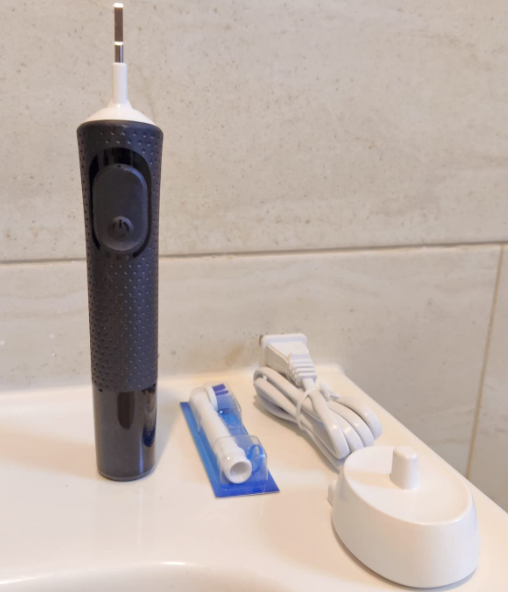
Few things disrupt a daily routine quite like an electric toothbrush that suddenly refuses to cooperate. One moment it hums like a tiny engine cleaning your teeth, and the next—silence. No buzz, no spin, no vibration. It’s as if your morning sidekick decided to take an unexpected day off.
If your electric toothbrush stops working, don’t panic. In many cases, the issue is minor and easy to fix. From charging glitches to clogged brush heads, several simple solutions can bring your toothbrush back to life.
In this guide, we’ll walk through the most common reasons electric toothbrushes stop working and exactly what we can do to fix them. Think of it as a troubleshooting roadmap—one that might save you from tossing a perfectly good toothbrush into the bin.
Why Electric Toothbrushes Suddenly Stop Working
Electric toothbrushes are surprisingly simple devices, yet several components must work together:
- Battery
- Motor
- Charging system
- Internal electronics
- Brush head mechanism
If even one of these elements fails or gets obstructed, the toothbrush might stop spinning or vibrating.
Before assuming the worst, it’s worth checking a few basic things.
First Things First: Quick Checks Before Troubleshooting
Sometimes the solution is almost embarrassingly simple.
Before diving deeper, check these quick fixes:
- Ensure the toothbrush is charged
- Confirm the power button isn’t stuck
- Make sure the brush head is attached properly
- Inspect for visible debris or toothpaste buildup
If everything looks normal but the brush still doesn’t work, it’s time to investigate further.
Check the Battery Charge
A Completely Drained Battery
The most common reason an electric toothbrush stops working is a dead battery.
Unlike phones, many toothbrushes don’t show a clear battery indicator. When the charge runs out, the brush simply stops.
Signs the battery is dead:
- No vibration at all
- No lights when pressing the power button
- Brush stopped gradually over several uses
How to Fix It
- Place the toothbrush on the charger.
- Leave it for 12–24 hours.
- Try turning it on again.
Sometimes batteries need a full recharge cycle before responding.
Inspect the Charger and Charging Base
If the battery isn’t charging, the problem might be the charger rather than the toothbrush.
Common Charger Issues
- Loose power cable
- Faulty wall outlet
- Water damage to the charging base
- Debris on the charging contacts
How to Troubleshoot the Charger
Try these steps:
- Plug the charger into a different outlet
- Clean the charging base with a dry cloth
- Ensure the toothbrush sits properly on the base
- Look for indicator lights
If nothing happens, the charger might need replacing.
Clean the Brush Head Connection
Over time, toothpaste residue and moisture build up around the metal shaft where the brush head attaches.
This buildup can prevent the motor from spinning properly.
Signs of a Dirty Connection
- Brush vibrates but doesn’t spin
- Brush head moves weakly
- Grinding or squeaking sounds
How to Clean It
- Remove the brush head.
- Rinse both the head and handle with warm water.
- Use a soft cloth or toothbrush to scrub residue.
- Dry thoroughly before reassembling.
It’s amazing how often this simple step solves the problem.
Make Sure the Brush Head Isn’t Worn Out
Brush heads don’t last forever.
A worn brush head can:
- Stop spinning efficiently
- Slip during operation
- Prevent proper rotation
Most manufacturers recommend replacing brush heads every 3 months.
Quick Test
Attach a new brush head.
If the toothbrush works again, the problem was the old head.
Check for a Jammed Motor Shaft
Think of the motor shaft as the tiny engine of your toothbrush.
If debris gets inside the shaft area, it may stop rotating.
How to Fix a Jammed Shaft
- Remove the brush head.
- Turn the toothbrush on briefly.
- Observe the metal shaft.
If it struggles to move:
- Rinse with warm water
- Wipe gently with a cloth
- Rotate the shaft slightly by hand
Sometimes dried toothpaste acts like glue.
Reset the Toothbrush (If Applicable)
Some modern electric toothbrushes have built-in electronics that can glitch.
Resetting the device can fix software-related issues.
Common Reset Methods
Depending on the model:
- Hold the power button for 10–15 seconds
- Place the brush on the charger while pressing the power button
- Let the battery fully drain and recharge
Check your toothbrush manual for the exact reset method.
Look for Water Damage
Electric toothbrushes are water-resistant—but not indestructible.
If water enters the handle, internal components may fail.
Warning Signs
- Strange buzzing noises
- Intermittent power
- Random shutdowns
- Corrosion near the base
What to Do
If water damage is suspected:
- Stop using the toothbrush
- Let it dry completely for 48 hours
- Try charging again
Sometimes drying restores functionality.
Consider Battery Degradation
Rechargeable batteries weaken over time.
After 2–5 years, many electric toothbrush batteries lose their ability to hold a charge.
Symptoms of Battery Failure
- Brush dies quickly after charging
- Power feels weaker
- Brush runs for only a few seconds
Unfortunately, most toothbrush batteries are not user-replaceable.
In these cases, replacing the toothbrush may be the best solution.
Try a Different Power Source
Sometimes the issue isn’t the toothbrush—it’s the outlet.
Try plugging the charger into:
- Another wall socket
- A surge protector
- A different room outlet
Electrical inconsistencies can occasionally interrupt charging.
Check the Power Button
Believe it or not, a sticky power button can stop the toothbrush from working.
Why Buttons Fail
Toothpaste residue and moisture can seep into the button mechanism.
Cleaning the Button
- Wipe the area with a damp cloth.
- Press the button repeatedly.
- Use a cotton swab to clean around the edges.
This simple fix sometimes restores functionality instantly.
When the Motor Stops Completely
If the motor itself fails, the toothbrush won’t vibrate or spin at all.
Motor failure can happen due to:
- Long-term wear
- Water damage
- Internal mechanical failure
Unfortunately, repairing toothbrush motors is rarely practical.
In this case, replacement is usually the only option.
Contact the Manufacturer for Warranty Support
Many electric toothbrush brands offer 2-year warranties.
If your brush stops working prematurely, the manufacturer might replace it.
Steps to Claim Warranty
- Check the purchase receipt
- Visit the manufacturer’s website
- Contact customer support
You may receive a free replacement.
How to Prevent Electric Toothbrush Failures
A little maintenance goes a long way.
Simple Preventive Habits
- Rinse the toothbrush after every use
- Remove and clean the brush head weekly
- Avoid dropping the toothbrush
- Store it upright to dry
- Replace brush heads regularly
These habits keep your toothbrush running smoothly for years.
When It’s Time to Replace Your Toothbrush
Sometimes, no amount of troubleshooting will revive an electric toothbrush.
Consider replacing it if:
- It’s over 4–5 years old
- The battery no longer holds charge
- The motor stopped completely
- Water damage occurred
Technology also improves over time, so a new brush may offer better cleaning performance.
A Simple Troubleshooting Checklist
If your electric toothbrush stops working, run through this quick checklist:
- Charge the toothbrush fully
- Test another outlet
- Inspect the charger
- Clean the brush head connection
- Replace the brush head
- Check for a jammed shaft
- Reset the toothbrush
- Inspect for water damage
- Evaluate battery age
Often, the solution lies in one of these steps.
Final Thoughts
When an electric toothbrush stops working, it can feel like losing a tiny but essential teammate in your daily routine. Yet the truth is, many issues are surprisingly easy to fix.
By checking the battery, cleaning the brush head connection, inspecting the charger, and ruling out simple mechanical problems, we can often bring a toothbrush back to life in minutes.
And if the device truly has reached the end of its lifespan, at least we’ll know we explored every possibility before replacing it.
After all, troubleshooting is a bit like detective work—sometimes the smallest clue leads to the solution.
Frequently Asked Questions
Why did my electric toothbrush suddenly stop working?
The most common causes include a drained battery, faulty charger, clogged brush head connection, or internal motor failure.
How do I know if my electric toothbrush battery is dead?
If the toothbrush shows no lights, vibration, or response even after charging for 24 hours, the battery may be worn out.
Can you fix an electric toothbrush that won’t spin?
Yes, often cleaning the shaft, replacing the brush head, or charging the battery fully can restore normal operation.
How long should an electric toothbrush last?
Most electric toothbrushes last 3–5 years, depending on battery quality and maintenance.
Is it worth repairing an electric toothbrush?
Usually no. Because of sealed components, replacing the toothbrush is often cheaper than repairing it.