
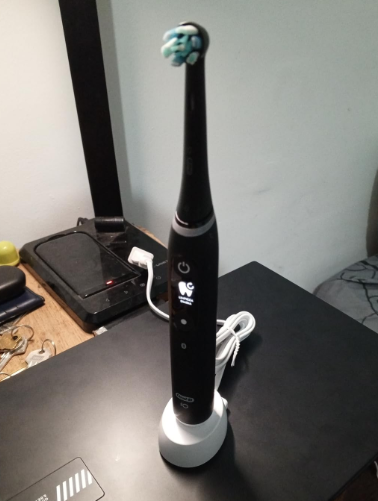
Every morning and every night, millions of us pick up a toothbrush without giving it much thought. Two minutes later, we rinse, smile at the mirror, and move on with our day. But here’s a question worth pausing for: is a rotating electric toothbrush actually better than other types of toothbrushes?
It sounds like a small detail, but the answer can make a real difference to your oral health. Toothbrush technology has evolved dramatically over the past decade. Today, we have manual brushes, sonic electric toothbrushes, oscillating-rotating models, and even smart AI-powered brushes.
Among these, rotating electric toothbrushes have gained enormous popularity. But are they really superior, or is it just clever marketing?
Let’s dive deep into how they work, how they compare with other options, and whether switching to one could upgrade your dental routine.
Understanding Rotating Electric Toothbrushes
Before we compare anything, we need to understand what we’re actually talking about.
A rotating electric toothbrush uses a small round head that spins rapidly to clean teeth. Many modern models use oscillating-rotating technology, meaning the head rotates in one direction and then the other thousands of times per minute.
Think of it like a tiny polishing tool for your teeth.
Instead of you doing all the brushing motion manually, the brush head does most of the work for you.
How Rotating Toothbrushes Move
Most rotating brushes use one of these movement styles:
- Oscillating rotation – the head rotates left and right
- Pulsation – slight vibrating pulses help loosen plaque
- Combination motion – rotation plus micro-vibrations
The result? A mechanical cleaning action that can remove plaque more efficiently than manual brushing alone.
How Rotating Electric Toothbrushes Actually Clean Teeth
Imagine trying to scrub a dirty plate with your hand versus using a powered scrubbing tool. Both can work—but the powered tool does it faster and more consistently.
Rotating toothbrushes apply the same concept.
The brush head spins rapidly, creating a micro-scrubbing action around each tooth.
The Cleaning Mechanism
Rotating brushes typically clean using three mechanisms:
- Mechanical plaque disruption
- Polishing motion
- Targeted tooth-by-tooth cleaning
Instead of sweeping across your entire mouth like a manual brush, rotating brushes encourage precision cleaning.
You simply guide the brush head from tooth to tooth and let the motor handle the movement.
Rotating vs Sonic Toothbrushes: What’s the Difference?
If you’ve been browsing electric toothbrushes online, you’ve probably noticed two major categories:
- Rotating electric toothbrushes
- Sonic electric toothbrushes
Both are effective—but they work differently.
Rotating Toothbrush
Features:
- Small round brush head
- Oscillating rotation
- Tooth-by-tooth cleaning
- Mechanical scrubbing action
Sonic Toothbrush
Features:
- Long brush head similar to manual brushes
- High-frequency vibration
- Fluid movement of toothpaste and saliva
- Broad sweeping motion
In simple terms:
- Rotating brushes scrub
- Sonic brushes vibrate
Neither method is inherently wrong. The best choice depends on brushing style and personal preference.
Benefits of Using a Rotating Electric Toothbrush
So why do so many dentists recommend rotating electric toothbrushes?
Let’s break down the biggest advantages.
1. Superior Plaque Removal
Research consistently shows that oscillating-rotating brushes remove more plaque than manual toothbrushes.
Because the brush head moves thousands of times per minute, it disrupts plaque more effectively than hand movements alone.
2. Easier Brushing Technique
Manual brushing requires correct motion, pressure, and timing.
With a rotating brush:
- The motor provides movement
- You simply guide the brush
- Less effort is required
This makes it especially useful for beginners or anyone who struggles with proper brushing technique.
3. Built-In Timers
Most modern rotating toothbrushes include 2-minute timers.
Some even pause every 30 seconds to remind you to switch areas of the mouth.
This helps maintain consistent brushing habits.
4. Pressure Sensors
Many models include sensors that alert you when you’re brushing too hard.
This prevents:
- Gum recession
- Enamel wear
- Tooth sensitivity
Potential Drawbacks of Rotating Electric Toothbrushes
Of course, no toothbrush is perfect.
Let’s look at some possible downsides.
They Can Feel Aggressive at First
For people switching from manual brushes, the rotating motion can feel intense initially.
Fortunately, most users adapt within a few days.
Higher Upfront Cost
Electric toothbrushes are more expensive than manual brushes.
However, the cost often balances out over time because only brush heads need replacing.
Noise and Vibration
Some rotating brushes produce noticeable buzzing sounds.
For light sleepers brushing late at night, this can be mildly annoying.
Are Rotating Toothbrushes Better for Plaque Removal?
One of the biggest questions people ask is whether rotating brushes actually clean better.
Multiple dental studies suggest yes.
Oscillating-rotating toothbrushes have been shown to:
- Reduce plaque buildup
- Improve gum health
- Decrease gingivitis
Why the Plaque Removal Is Stronger
The key advantage is speed and consistency.
A human hand might perform around 300 brushing strokes per minute.
A rotating electric toothbrush can perform thousands of movements per minute.
That difference is massive.
Do Rotating Electric Toothbrushes Protect Gums?
Healthy gums are just as important as clean teeth.
Fortunately, rotating electric toothbrushes can be gentler on gums when used correctly.
Features That Help Gum Health
Many models include:
- Pressure sensors
- Soft bristle heads
- Gum-care modes
- Smart brushing feedback
These features help prevent over-brushing, which is one of the most common causes of gum damage.
Are Rotating Electric Toothbrushes Better for Sensitive Teeth?
If you have sensitive teeth, you might worry that a rotating brush could make things worse.
In reality, many people with sensitivity benefit from switching to electric brushing.
Why Electric Brushes Help Sensitivity
Electric toothbrushes:
- Reduce excessive brushing force
- Provide consistent motion
- Often include sensitive modes
Ironically, manual brushing is often harsher because people apply too much pressure.
Who Should Use a Rotating Electric Toothbrush?
Rotating brushes work well for many people, but they’re especially helpful for certain groups.
Great for These Users
Rotating toothbrushes are ideal for:
- People with poor brushing technique
- Children learning proper brushing
- Adults with braces
- Older adults with reduced dexterity
- Anyone wanting better plaque control
Helpful for Orthodontic Patients
Braces create extra spaces where plaque can hide.
Rotating brush heads can reach around brackets more effectively than manual brushes.
Rotating Electric Toothbrush vs Manual Toothbrush
Let’s compare them directly.
Manual Toothbrush
Pros:
- Cheap
- Portable
- No charging required
Cons:
- Requires proper technique
- Less consistent cleaning
- Easy to brush too hard
Rotating Electric Toothbrush
Pros:
- Better plaque removal
- Built-in timers
- Pressure sensors
- Easier technique
Cons:
- Higher initial cost
- Needs charging
- Replacement heads required
For many people, the advantages of electric brushing outweigh the drawbacks.
How to Use a Rotating Electric Toothbrush Properly
Surprisingly, many people misuse electric toothbrushes.
Instead of scrubbing, the goal is to let the brush do the work.
Step-by-Step Technique
- Apply toothpaste.
- Place the brush on one tooth.
- Turn it on.
- Hold it in place for a few seconds.
- Move slowly to the next tooth.
No aggressive scrubbing required.
Think of it as guiding the brush rather than brushing manually.
Choosing the Right Rotating Electric Toothbrush
Not all electric toothbrushes are the same.
Here are the key features to consider.
Important Features
Look for:
- Pressure sensor
- Two-minute timer
- Multiple brushing modes
- Long battery life
- Replaceable brush heads
Optional Smart Features
Some modern brushes include:
- Bluetooth apps
- AI brushing guidance
- Real-time brushing maps
Nice to have—but not essential.
Tips to Get the Most Out of Your Electric Toothbrush
Even the best toothbrush won’t help if used incorrectly.
Best Practices
Follow these tips:
- Replace brush heads every 3 months
- Use gentle pressure
- Brush for 2 full minutes
- Clean your tongue
- Floss daily
Consistency matters more than any gadget.
Common Mistakes People Make With Electric Toothbrushes
Let’s address a few common mistakes.
Mistake #1: Scrubbing Too Hard
Remember: the brush already moves.
Scrubbing aggressively can damage gums.
Mistake #2: Not Replacing Brush Heads
Worn bristles clean poorly and can irritate gums.
Mistake #3: Brushing Too Fast
Slow, deliberate movement works best.
Are Rotating Electric Toothbrushes Worth the Money?
This is the big question.
The answer depends on what you value.
If you want:
- Better plaque removal
- Easier brushing technique
- Built-in brushing guidance
Then a rotating electric toothbrush can be a worthwhile investment.
For many people, the improvement in oral hygiene is noticeable within weeks.
The Future of Electric Toothbrush Technology
Toothbrush technology keeps evolving.
Modern models now include:
- AI brushing analysis
- Real-time pressure monitoring
- Personalized brushing programs
The future may even include fully automated brushing systems.
For now, rotating electric toothbrushes remain one of the most effective tools for daily dental care.
Final Thoughts: Is a Rotating Electric Toothbrush Better?
So, is a rotating electric toothbrush better?
For most people, the answer is yes.
Rotating electric toothbrushes offer:
- More effective plaque removal
- Easier brushing technique
- Helpful smart features
- Better brushing consistency
While manual brushing can still be effective with perfect technique, electric brushes make it much easier to maintain proper oral hygiene every day.
Think of it like switching from washing dishes by hand to using a dishwasher. Both clean—but one does the job more efficiently and consistently.
And when it comes to your teeth, consistency matters.
Frequently Asked Questions
1. Are rotating toothbrushes better than sonic toothbrushes?
Both types clean teeth effectively. Rotating brushes excel at mechanical plaque removal, while sonic brushes rely on vibration and fluid motion. Personal preference often determines the best option.
2. Can rotating electric toothbrushes damage teeth?
No, when used correctly. Modern models include pressure sensors and soft bristles to prevent enamel damage.
3. How often should you replace electric toothbrush heads?
Dentists recommend replacing brush heads every three months or sooner if bristles become frayed.
4. Are rotating toothbrushes safe for gums?
Yes. In fact, many rotating toothbrushes help protect gums by preventing excessive brushing pressure.
5. Do dentists recommend electric toothbrushes?
Many dentists recommend electric toothbrushes because they improve brushing consistency and plaque removal compared with manual brushing.