
Let’s be honest—when we start using Invisalign, everything about our oral care routine suddenly feels… different. We’re removing trays, rinsing, brushing more often, and wondering: are we doing this right?
And one of the most common questions that pops up is simple—but important:
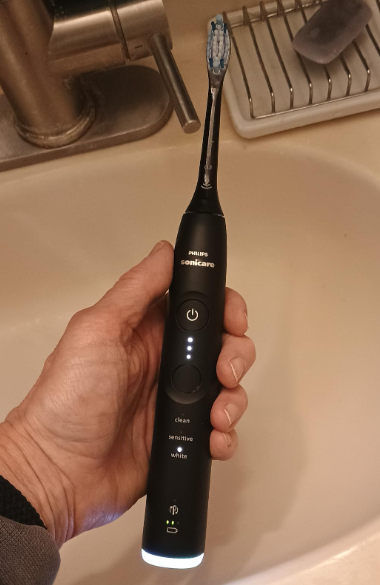
Can you use an electric toothbrush with Invisalign?
Short answer? Yes.
Better answer? Yes—but there’s a right way to do it.
Let’s dive deep into everything you need to know, so your smile stays clean, aligned, and glowing every single day.
Why Oral Hygiene Matters More with Invisalign

When we wear aligners, we’re essentially sealing our teeth in a plastic environment for up to 22 hours a day.
That means:
- Food particles get trapped more easily
- Bacteria multiply faster
- Plaque buildup becomes a real threat
Think of your aligners like a greenhouse. If your teeth aren’t clean before putting them back in, you’re basically locking in bacteria.
And that’s where brushing—especially with an electric toothbrush—becomes your best ally.
Can You Use an Electric Toothbrush with Invisalign?
Yes—And It’s Actually Recommended
Using an electric toothbrush with Invisalign is not just safe—it’s often more effective than a manual toothbrush.
Electric toothbrushes:
- Remove more plaque
- Provide consistent pressure
- Reach tricky areas around attachments
- Encourage better brushing habits
But (and this matters)… you must use it correctly.
Electric vs Manual Toothbrush: Which Is Better?
Electric Toothbrush Advantages
- Superior plaque removal
- Built-in timers (no rushed brushing)
- Gentle yet effective cleaning
- Ideal for Invisalign attachments
Manual Toothbrush Downsides
- Easy to apply too much pressure
- Less consistent cleaning
- Often misses hard-to-reach spots
So if we’re being honest?
Electric toothbrushes feel like upgrading from a bicycle to a sports car.
How Electric Toothbrushes Work with Invisalign Attachments

Those little bumps on your teeth—called attachments—can be tricky.
They:
- Trap plaque easily
- Create uneven surfaces
- Require precision cleaning
Electric toothbrushes shine here because their oscillating or sonic movements:
- Clean around attachments effectively
- Reduce buildup in tight spaces
- Maintain gum health
It’s like having a tiny cleaning crew working around every corner of your teeth.
Best Way to Brush Teeth with Invisalign Using an Electric Toothbrush
Step-by-Step Routine
Step 1: Remove Your Aligners
Never brush with them on. Always take them out first.
Step 2: Rinse Your Mouth
Quick rinse to remove loose debris.
Step 3: Use a Soft-Bristle Electric Toothbrush
Hard bristles = bad news for enamel and gums.
Step 4: Brush for 2 Minutes
Let the brush do the work. Don’t scrub aggressively.
Step 5: Clean Around Attachments Carefully
Slow down in those areas.
Step 6: Brush Your Tongue
Fresh breath matters too.
Step 7: Rinse and Reinsert Aligners
Only after your teeth are clean.
Should You Brush Your Invisalign Trays with an Electric Toothbrush?
Short Answer: No
This is where many people get it wrong.
Electric toothbrushes are great for teeth—but not for aligners.
Why Not?
- Can scratch the plastic
- Creates cloudy trays
- Weakens material over time
Better Alternative
- Use a soft manual brush
- Or a dedicated aligner cleaner
- Rinse with lukewarm water (never hot!)
Common Mistakes to Avoid
Let’s keep it real—we’ve all made at least one of these:
Top Invisalign Brushing Mistakes
- Brushing too hard (especially with electric brushes)
- Skipping brushing after snacks
- Using whitening toothpaste excessively
- Not cleaning aligners separately
- Re-inserting trays with dirty teeth
Avoid these, and you’re already ahead of most people.
Choosing the Best Electric Toothbrush for Invisalign
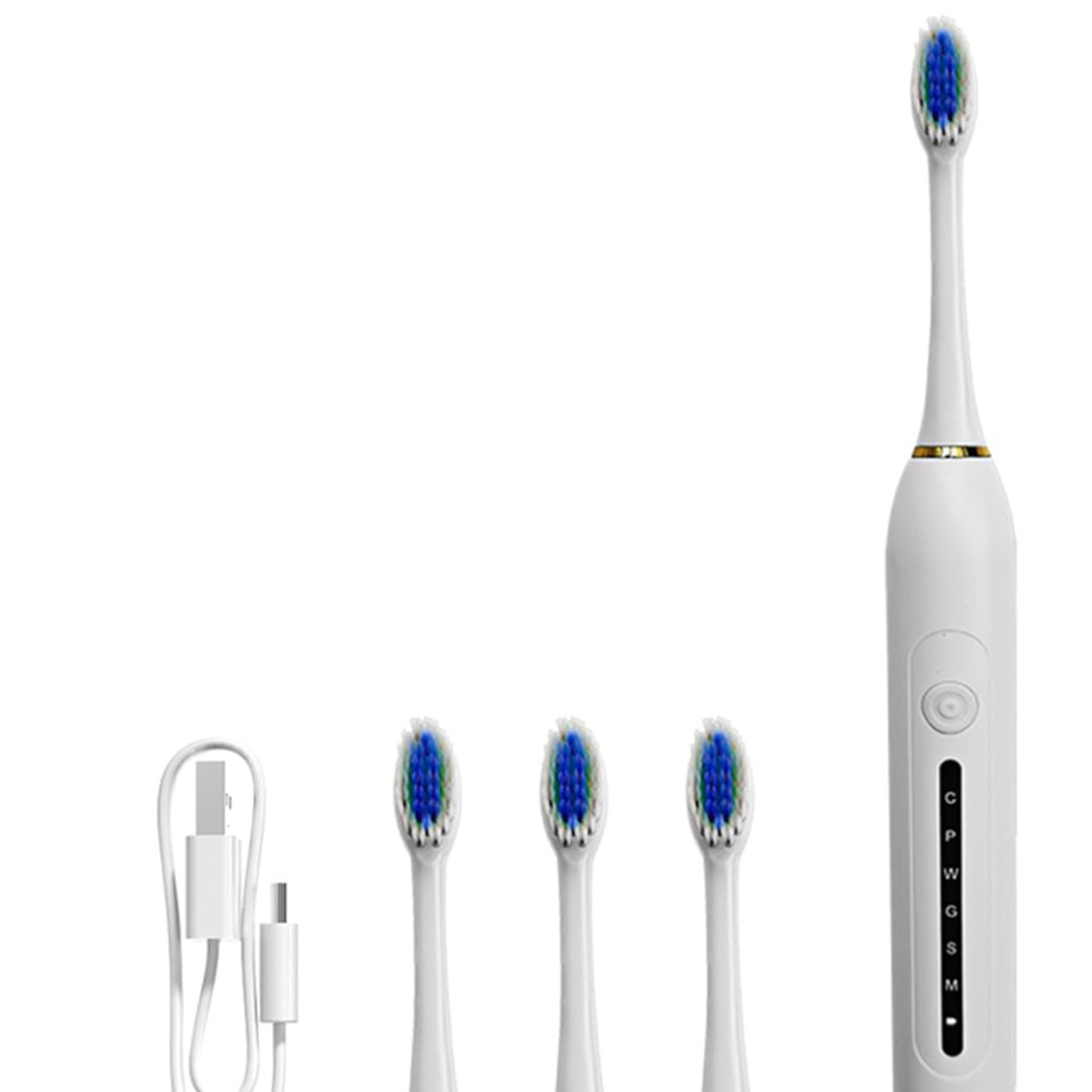
Not all electric toothbrushes are created equal.
What to Look For
- Soft bristles (non-negotiable)
- Pressure sensor
- Timer (2 minutes minimum)
- Multiple cleaning modes
What to Avoid
- Hard bristles
- Aggressive scrubbing modes
- Cheap brushes with inconsistent motion
Think of it this way: your teeth are moving daily—your tools should be gentle, not brutal.
How Often Should You Brush with Invisalign?
The Golden Rule: After Every Meal
That usually means:
- Morning
- After lunch
- After dinner
- After snacks (if possible)
Yes, it’s more frequent than usual—but remember, you’re wearing aligners most of the day.
Does an Electric Toothbrush Help Prevent Staining?
Absolutely.
Because:
- It removes plaque more efficiently
- Reduces buildup under aligners
- Keeps teeth brighter during treatment
Let’s be honest—no one wants straight teeth that look dull.
Can Electric Toothbrushes Damage Invisalign Attachments?
No—If Used Properly
Attachments are bonded securely to your teeth.
Electric toothbrushes:
- Won’t remove them
- Won’t damage them
- Are actually ideal for cleaning them
Just avoid excessive pressure.
Is Sonic or Oscillating Better for Invisalign?
Sonic Toothbrush
- Vibrates at high speed
- Gentle on gums
- Great for sensitive mouths
Oscillating Toothbrush
- Rotates in small circles
- Deep cleaning power
- Ideal for plaque removal
Best choice? Either works—as long as you use it correctly.
Tips for Maintaining Fresh Breath During Invisalign
- Brush after every meal
- Clean your tongue daily
- Stay hydrated
- Avoid sugary drinks
- Clean aligners regularly
Fresh breath isn’t optional—it’s part of the Invisalign lifestyle.
How to Build the Perfect Invisalign Cleaning Routine
Daily Routine Checklist
- Brush teeth 3–4 times daily
- Floss at least once
- Clean aligners twice daily
- Rinse after drinks
- Use mouthwash (optional but helpful)
Consistency beats perfection here.
What Happens If You Don’t Brush Properly with Invisalign?
Let’s not sugarcoat it:
- Cavities
- Gum inflammation
- Bad breath
- Stained teeth
- Delayed treatment
Straight teeth won’t matter if they’re unhealthy.
Final Thoughts: Is an Electric Toothbrush Worth It with Invisalign?
Absolutely—100%.
If Invisalign is your journey, an electric toothbrush is your co-pilot.
It:
- Makes cleaning easier
- Improves oral hygiene
- Protects your investment
Because let’s face it—Invisalign isn’t just about straight teeth. It’s about building habits that last a lifetime.
FAQs
1. Can I brush my teeth with aligners in using an electric toothbrush?
No. Always remove your aligners before brushing.
2. Is an electric toothbrush better than manual for Invisalign?
Yes, it provides better cleaning and is more effective around attachments.
3. Can I use toothpaste with an electric toothbrush while on Invisalign?
Yes, but avoid overly abrasive or whitening toothpaste.
4. How many times should I brush daily with Invisalign?
Ideally after every meal—around 3 to 4 times daily.
5. Can electric toothbrushes damage aligners?
Only if you use them directly on aligners—which you shouldn’t.
Conclusion
So, can you use an electric toothbrush with Invisalign?
Not only can you—you should.
It’s like upgrading your cleaning routine from average to elite. And when you’re investing in your smile, every detail matters.
Stay consistent, stay gentle, and let your tools do the heavy lifting.
Because at the end of this journey?
You won’t just have straighter teeth—you’ll have a smarter routine too.