
A healthy smile is a bit like a well-maintained garden. We can water the flowers, trim the hedges, and keep everything looking neat, but if we ignore the roots, problems eventually appear. The same principle applies to our teeth. Brushing is essential, yet it only cleans part of the picture. The spaces between our teeth and below the gumline often need extra attention.
That is where a water flosser enters the conversation.
Many people buy a water flosser and immediately ask the same question: When should I use a water flosser? Is it best before brushing? After brushing? In the morning? At night? Every day? Only when food gets stuck?
The truth is that a water flosser can become one of the most effective tools in our oral care routine when used correctly and consistently. Let’s explore exactly when, why, and how we should use one to maximize its benefits.
What Is a Water Flosser?
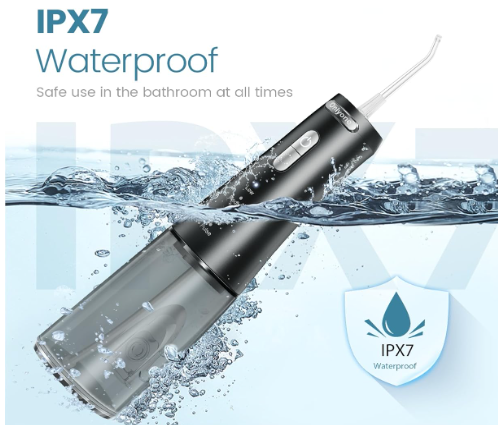
A water flosser is an oral hygiene device that uses a pressurized stream of water to remove food particles, plaque, and bacteria from between teeth and along the gumline.
Instead of relying on string to scrape away debris, a water flosser acts like a miniature pressure washer for our mouth.
Popular brands such as Waterpik, Philips Sonicare, and Coslus have made water flossers increasingly common in households worldwide because they are simple, effective, and surprisingly satisfying to use.
Why Timing Matters When Using a Water Flosser
Many people assume that simply using a water flosser is enough. However, timing can significantly influence how effective it becomes.
Think of it like cleaning a dirty floor. If we sweep first and mop afterward, the result is usually better than doing it in reverse.
Similarly, using a water flosser at the right time can improve plaque removal and make brushing more effective.
Should You Use a Water Flosser Before or After Brushing?
The most common question surrounding water flossers is whether they should be used before or after brushing.
Using a Water Flosser Before Brushing
Many dental professionals recommend water flossing before brushing because it helps:
- Loosen food particles
- Disrupt plaque colonies
- Remove debris from tight spaces
- Prepare the mouth for toothpaste
When we brush afterward, fluoride from toothpaste can better reach previously blocked areas.
Using a Water Flosser After Brushing
Some users prefer flossing after brushing because it removes leftover toothpaste residue and any debris loosened during brushing.
This method can also provide a fresher feeling before bed.
Which Is Better?
For most people, using a water flosser before brushing offers the greatest cleaning advantage.
However, consistency matters far more than perfection. The best time is ultimately the time we will actually use it every day.
The Best Time of Day to Use a Water Flosser
A water flosser can be used at various times throughout the day, but some periods provide greater benefits than others.
Morning Use
Using a water flosser in the morning helps:
- Remove overnight bacteria buildup
- Freshen breath
- Stimulate gums
- Prepare teeth for the day
While beneficial, morning use alone may not provide the deepest cleaning.
Evening Use
Nighttime is generally considered the ideal time.
Throughout the day, food particles, plaque, and bacteria accumulate in hard-to-reach areas.
Cleaning before bed helps prevent bacteria from multiplying overnight while saliva production naturally decreases during sleep.
Why Nighttime Water Flossing Is So Effective
When we sleep, our mouth becomes less active.
Saliva production slows down, reducing the mouth’s natural ability to wash away bacteria.
This creates an environment where plaque can thrive.
Using a water flosser before bed removes much of the debris that bacteria feed on, helping us wake up with a cleaner and healthier mouth.
Should You Use a Water Flosser Every Day?
Absolutely.
Daily use delivers the best long-term results.
Just as we wouldn’t brush our teeth only twice a week, using a water flosser sporadically limits its effectiveness.
Daily water flossing can help:
- Reduce plaque accumulation
- Improve gum health
- Decrease bleeding gums
- Lower the risk of gingivitis
- Enhance overall oral hygiene
Consistency transforms a water flosser from a gadget into a powerful oral health tool.
Signs You Should Start Using a Water Flosser Today
Not sure whether you need one?
Here are several clues.
Your Gums Bleed When You Brush
Bleeding gums often indicate inflammation.
A water flosser can gently clean below the gumline and support healthier gums over time.
Food Frequently Gets Stuck Between Teeth
If every meal feels like a treasure hunt for trapped food, a water flosser can help clear difficult areas quickly.
You Avoid Traditional Floss
Many people dislike string floss.
If flossing feels like a chore, a water flosser may dramatically improve compliance.
When Should People With Braces Use a Water Flosser?
Braces create countless hiding places for food particles and plaque.
Traditional flossing around wires can be difficult and time-consuming.
Ideal Routine for Braces
People with braces should use a water flosser:
- After meals
- Before bedtime
- Before brushing
Regular cleaning helps prevent plaque accumulation around brackets and wires.
When Should People With Dental Implants Use a Water Flosser?
Dental implants require meticulous cleaning.
Unlike natural teeth, implants cannot develop cavities, but the surrounding gum tissue can still become inflamed.
Recommended Timing
Use a water flosser:
- Once daily minimum
- Before bedtime
- After meals when necessary
This helps maintain healthy tissues surrounding the implant.
Water Flossers and Gum Disease
Individuals with gum disease often benefit significantly from water flossing.
How Water Flossers Help
The water stream can:
- Reach periodontal pockets
- Remove bacteria
- Reduce inflammation
- Improve gum circulation
Many users notice healthier gums within weeks of consistent use.
Should Children Use a Water Flosser?
Children can benefit from water flossers, especially if they struggle with traditional floss.
Benefits for Kids
- Easier than string floss
- Fun and engaging
- Encourages healthy habits
- Helps clean orthodontic appliances
Parental supervision is recommended for younger children.
When to Use a Water Flosser After Dental Procedures
Recent dental work often requires extra care.
After Tooth Extractions
Always follow your dentist’s instructions.
In some cases, using a water flosser too soon may interfere with healing.
After Deep Cleanings
Many dentists recommend waiting until sensitive tissues begin recovering.
After Implant Procedures
Wait until your dentist approves water flossing around surgical sites.
Can You Use a Water Flosser After Every Meal?
Yes, and many people do.
Frequent use can be particularly helpful if we:
- Wear braces
- Have crowded teeth
- Eat fibrous foods
- Frequently snack
Using a water flosser after meals helps prevent food debris from lingering for hours.
Common Mistakes When Using a Water Flosser
Even the best tools can be used incorrectly.
Using Too Much Pressure Immediately
Start with a lower setting and increase gradually.
Rushing the Process
Effective water flossing typically takes one to two minutes.
Skipping Areas
Focus on every tooth and the entire gumline.
Using It Only Occasionally
Inconsistent use limits results.
How Long Should You Water Floss?
Most people achieve excellent results within:
- 60 to 90 seconds for maintenance
- 90 to 120 seconds for deeper cleaning
- Longer sessions for braces or complex dental work
Quality matters more than speed.
The Perfect Water Flossing Routine
If we want the ideal oral hygiene routine, consider the following sequence:
Step 1: Fill the Reservoir
Use lukewarm water for comfort.
Step 2: Water Floss Thoroughly
Clean along the gumline and between all teeth.
Step 3: Brush Teeth
Use fluoride toothpaste.
Step 4: Clean the Tongue
Remove bacteria contributing to bad breath.
Step 5: Use Mouthwash (Optional)
Add an extra layer of freshness and protection.
How Quickly Will You Notice Results?
Many users notice improvements surprisingly fast.
Within Days
- Fresher breath
- Cleaner feeling teeth
- Less food trapped between teeth
Within Weeks
- Reduced gum bleeding
- Healthier gum appearance
- Improved oral comfort
Within Months
- Better long-term gum health
- Less plaque accumulation
- Improved dental checkups
Who Benefits Most From a Water Flosser?
While nearly everyone can benefit, certain groups often experience the greatest improvements.
Ideal Candidates
- People with braces
- Individuals with implants
- Those with crowns or bridges
- People with sensitive gums
- Individuals prone to gingivitis
- Anyone who dislikes traditional floss
For these users, a water flosser can feel like upgrading from a garden hose to a precision irrigation system.
Is There Ever a Wrong Time to Use a Water Flosser?
Generally, water flossers are safe for daily use.
However, avoid aggressive use immediately after certain dental procedures unless your dentist approves.
Aside from those situations, there is rarely a bad time to clean your teeth and gums.
The greatest mistake is often not using the device at all.


Final Thoughts
So, when should you use a water flosser?
For most people, the ideal answer is simple: use it every day, preferably before brushing and especially before bed.
A water flosser is not merely another bathroom gadget. It is a practical tool that helps us reach places a toothbrush cannot. Like a river carving its way through hidden valleys, the steady stream of water travels into spaces where plaque and food particles like to hide.
Whether we have braces, implants, sensitive gums, or simply want a cleaner mouth, consistent water flossing can elevate our oral hygiene routine to a new level.
The best time to use a water flosser is the time that fits naturally into our daily habits. Make it routine, stay consistent, and let those small daily actions compound into a healthier smile.
Frequently Asked Questions
1. Should I use a water flosser before or after brushing?
Most dental professionals recommend using a water flosser before brushing because it removes debris and allows fluoride toothpaste to reach more surfaces.
2. Is it okay to use a water flosser twice a day?
Yes. Using a water flosser morning and night is safe and may provide additional benefits for gum health and cleanliness.
3. Can a water flosser replace regular floss?
For many people, especially those with braces or dental work, a water flosser can be highly effective. However, dentists may still recommend traditional floss in certain situations.
4. How long should a water flossing session last?
Most users achieve good results in one to two minutes of thorough cleaning.
5. What happens if I only use a water flosser occasionally?
Occasional use may provide temporary freshness, but daily use delivers the greatest benefits for plaque control and gum health.