
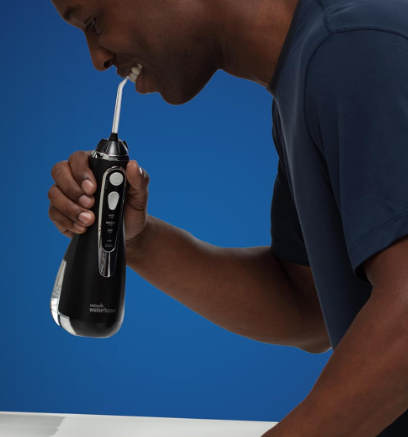
When we invest in a Waterpik, one of the first questions that naturally comes to mind is simple: how often should we use a Waterpik? The answer may seem straightforward, but the reality is more nuanced. Our oral health goals, dental conditions, and daily routines all influence the ideal frequency.
A Waterpik isn’t merely a gadget that sprays water. Think of it as a pressure washer for your smile—a tool capable of reaching places traditional brushing and flossing sometimes miss. Yet, like watering a garden, timing matters. Too little use may reduce benefits, while consistency unlocks its full potential.
In this comprehensive guide, we’ll explore exactly how often to use a Waterpik, who should use it more frequently, common mistakes to avoid, and how to build the perfect water flossing routine.
What Is a Waterpik and How Does It Work?
A Waterpik, also known as a water flosser, uses a concentrated stream of pulsating water to remove food particles, plaque, and bacteria from between teeth and below the gumline.
Unlike string floss, which physically scrapes surfaces, a Waterpik flushes debris away using water pressure. This makes it particularly appealing for individuals with:
- Braces
- Dental implants
- Bridges
- Crowns
- Sensitive gums
- Periodontal pockets
The device creates a combination of pressure and pulsation that disrupts harmful bacterial colonies while stimulating gum tissue.
How Often Should You Use a Waterpik?
The general recommendation is simple:
Use a Waterpik Once Per Day
For most people, using a Waterpik once daily is enough to maintain healthy gums and reduce plaque accumulation.
Daily use helps:
- Remove trapped food particles
- Reduce gum inflammation
- Improve oral hygiene
- Support fresher breath
- Complement brushing
Think of daily Waterpik use as taking out the trash in your home. If you skip a day occasionally, things may still look fine. Skip it repeatedly, and problems begin to accumulate.
Why Daily Use Is Considered Ideal
Our mouths constantly collect bacteria.
Every meal leaves behind tiny food particles that can settle between teeth and beneath the gumline. Within hours, bacteria begin feeding on these leftovers.
Daily water flossing interrupts this cycle before it gains momentum.
Benefits of Daily Waterpik Use
Daily use can help:
- Reduce plaque buildup
- Lower bleeding gums
- Improve gum health
- Decrease bad breath
- Reach difficult areas
- Clean around orthodontic appliances
Consistency is what delivers results.
Using a Waterpik once a week is similar to going to the gym once a month—you might feel productive, but the long-term impact is limited.
Can You Use a Waterpik Twice a Day?
Absolutely.
Many dental professionals consider twice-daily use safe for most individuals.
Who May Benefit From Twice-Daily Water Flossing?
People with:
- Active gum disease
- Braces
- Orthodontic aligners
- Dental implants
- Heavy plaque accumulation
- Chronic bad breath
Using a Waterpik morning and evening can provide additional cleaning and gum stimulation.
However, more isn’t always necessary. If your gums are healthy and your oral hygiene routine is strong, once per day is generally sufficient.
How Often Waterpik for Beginners?
If you’re new to water flossing, start slowly.
Week One Routine
Days 1–3
Use the Waterpik every other day.
This allows your gums to adapt to the water pressure.
Days 4–7
Increase to daily use.
Most users quickly become comfortable with the sensation.
Choose a Low Pressure Setting Initially
Starting on maximum pressure can feel overwhelming.
Instead:
- Begin at a low setting
- Gradually increase intensity
- Allow gums to adjust naturally
Your comfort level will improve surprisingly fast.
How Often Waterpik for Gum Disease?
Individuals dealing with gum disease often benefit from more frequent use.
Understanding Periodontal Disease
Gum disease develops when bacteria accumulate beneath the gumline.
Symptoms include:
- Swollen gums
- Bleeding
- Gum recession
- Persistent bad breath
Water flossing helps flush bacteria from areas traditional floss may struggle to reach.
Recommended Frequency
Many dentists recommend:
- At least once daily
- Sometimes twice daily during active treatment
Always follow your dental professional’s personalized advice.
How Often Waterpik With Braces?
Braces create countless hiding spots for food and plaque.
Why Braces Require Extra Attention
Brackets and wires can trap:
- Meat fibers
- Bread particles
- Vegetable fragments
- Sugary residue
A Waterpik makes cleaning around orthodontic hardware significantly easier.
Ideal Routine for Braces
Many orthodontists suggest:
- After dinner at minimum
- After major meals when possible
Even one thorough session daily can dramatically improve oral cleanliness.
How Often Waterpik for Dental Implants?
Dental implants require excellent maintenance.
Although implants cannot develop cavities, surrounding gum tissue remains vulnerable to infection.
Daily Cleaning Is Essential
Use a Waterpik:
- Once daily minimum
- Twice daily if recommended by your dentist
The water stream helps clean around implant structures where bacteria often accumulate.
How Often Waterpik for Sensitive Gums?
People with sensitive gums often worry that water flossing may worsen discomfort.
Interestingly, the opposite is frequently true.
Why Sensitive Gums May Improve
Inflamed gums often become sensitive because bacteria are irritating the tissue.
Regular water flossing helps remove those irritants.
Best Practice
- Start with low pressure
- Use once daily
- Increase pressure gradually
Most users report improved comfort after several weeks.
Morning or Night: When Should You Use a Waterpik?
This is another common question.
Evening Use Offers Maximum Benefits
Nighttime water flossing removes debris accumulated throughout the day.
Benefits include:
- Cleaner mouth overnight
- Reduced bacterial growth
- Fresher morning breath
For most people, evening use is the ideal choice.
Morning Use Still Helps
Morning sessions can:
- Remove overnight bacteria
- Freshen breath
- Create a clean feeling before work or school
If your schedule only allows morning use, consistency matters more than timing.
Should You Water Floss Before or After Brushing?
Opinions vary, but many people prefer using a Waterpik before brushing.
Advantages of Water Flossing First
The Waterpik:
- Removes debris
- Opens spaces between teeth
- Clears plaque biofilm
Brushing afterward helps toothpaste reach freshly cleaned surfaces.
Alternative Approach
Some users prefer:
- Brush teeth
- Water floss afterward
- Rinse thoroughly
Both methods can work effectively when practiced consistently.
Signs You’re Not Using Your Waterpik Often Enough
Our mouths often provide clues.
Common Warning Signs
You may need more frequent water flossing if you notice:
- Bleeding gums
- Persistent bad breath
- Food constantly trapped between teeth
- Plaque accumulation
- Gum tenderness
Increasing consistency can often improve these symptoms.
Can You Use a Waterpik Too Much?
For most people, overuse is uncommon.
Potential Issues
Problems may arise if:
- Pressure is excessively high
- Technique is incorrect
- Gums are already injured
The goal isn’t aggressive cleaning.
Instead, imagine gently washing delicate fruit rather than blasting concrete with industrial equipment.
The Perfect Daily Waterpik Routine
Step 1: Fill the Reservoir
Use lukewarm water for comfort.
Step 2: Select the Proper Tip
Choose the attachment designed for your needs.
Step 3: Start With Low Pressure
Increase gradually if comfortable.
Step 4: Follow the Gumline
Pause briefly between teeth.
Step 5: Empty Remaining Water
This helps keep the unit cleaner.
Step 6: Continue With Brushing
Finish your complete oral hygiene routine.
Common Waterpik Mistakes to Avoid
Even excellent tools can be used incorrectly.
Mistake #1: Inconsistent Usage
Occasional use limits results.
Mistake #2: Excessive Pressure
More force does not equal better cleaning.
Mistake #3: Moving Too Quickly
Slow, deliberate movement improves effectiveness.
Mistake #4: Skipping Back Teeth
Molars often need the most attention.
Mistake #5: Ignoring Device Maintenance
Regular cleaning keeps the Waterpik functioning properly.
How Long Does It Take to See Results?
Many users notice improvements quickly.
Within One Week
You may experience:
- Fresher breath
- Cleaner feeling teeth
Within Two to Four Weeks
Common improvements include:
- Reduced bleeding
- Healthier gums
- Less plaque accumulation
Long-Term Benefits
Consistent use supports lasting oral health and improved gum condition.
Creating a Sustainable Waterpik Habit
The best oral hygiene routine is the one we actually follow.
Practical Habit-Building Tips
- Keep the Waterpik visible
- Use it at the same time daily
- Pair it with brushing
- Track progress
- Celebrate consistency
Small daily actions create powerful long-term results.
Who Should Use a Waterpik Every Day?
Daily use is particularly valuable for:
- Adults with gum concerns
- Orthodontic patients
- Implant patients
- Individuals with bridges
- People prone to plaque buildup
- Anyone seeking better oral hygiene
For these groups, daily water flossing can become a cornerstone habit.
Final Thoughts on How Often Waterpik Should Be Used
If there’s one takeaway from this guide, it’s this: consistency beats intensity.
For most people, using a Waterpik once daily provides excellent benefits and complements brushing beautifully. Individuals with braces, implants, or gum disease may benefit from twice-daily use under professional guidance.
A Waterpik isn’t a magic wand, but it can feel remarkably close when used consistently. Like tending a garden, the secret isn’t occasional effort—it’s steady care. Give your gums a few focused minutes every day, and they’ll often reward you with healthier tissue, fresher breath, and a cleaner smile.
Frequently Asked Questions
1. Is it okay to use a Waterpik every day?
Yes. Daily use is generally recommended and considered safe for most people.
2. Can I use a Waterpik twice a day?
Yes. Many individuals, especially those with braces or gum issues, benefit from twice-daily use.
3. Should I use a Waterpik before or after brushing?
Either method works, but many users prefer water flossing before brushing.
4. How long should a Waterpik session last?
Most sessions take between one and two minutes.
5. Can a Waterpik replace regular floss?
A Waterpik is highly effective, but you should follow your dentist’s recommendations regarding traditional flossing.