
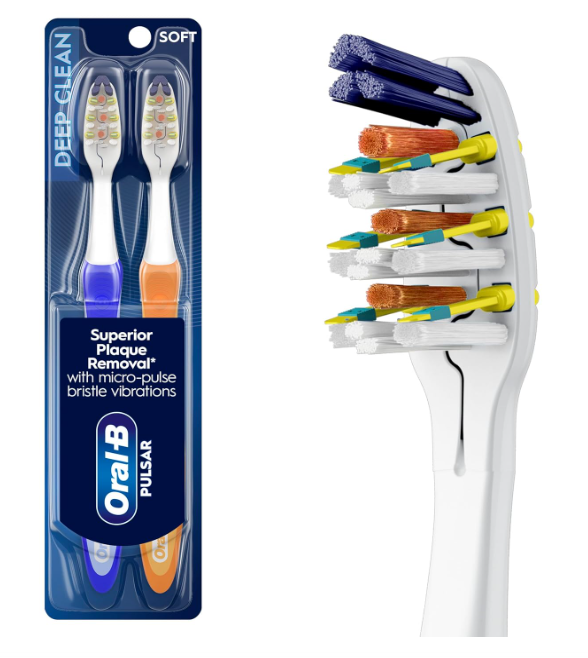
When it comes to oral hygiene, few innovations have transformed our daily routines quite like vibrating toothbrushes. Once considered a luxury item, these modern devices have become a common sight in bathrooms around the world. But one question continues to pop up: are vibrating toothbrushes good?
The short answer is yes. For many people, vibrating toothbrushes can provide a more effective clean than traditional manual toothbrushes. However, the real story goes much deeper than a simple yes or no.
In this comprehensive guide, we’ll explore how vibrating toothbrushes work, their advantages, potential drawbacks, who benefits most from using them, and whether they’re truly worth the investment. By the end, you’ll have a clear understanding of whether a vibrating toothbrush deserves a place in your oral care routine.
What Is a Vibrating Toothbrush?
A vibrating toothbrush is an electric toothbrush that uses rapid vibrations, oscillations, or sonic movements to clean teeth and gums. Unlike manual brushes that rely entirely on hand movement, these toothbrushes create thousands of brush strokes every minute.
The concept is simple yet powerful. Instead of manually scrubbing every surface, the toothbrush does much of the work for us.
Modern vibrating toothbrushes typically fall into two categories:
- Oscillating-rotating toothbrushes
- Sonic vibrating toothbrushes
Both are designed to improve plaque removal and make brushing more efficient.
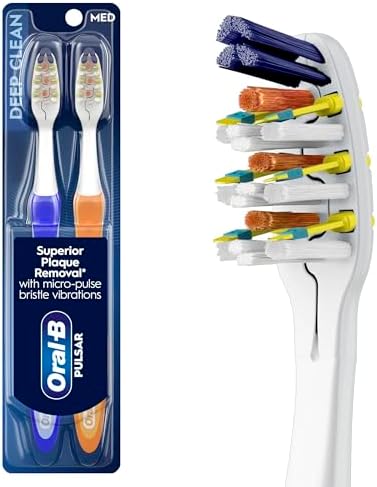
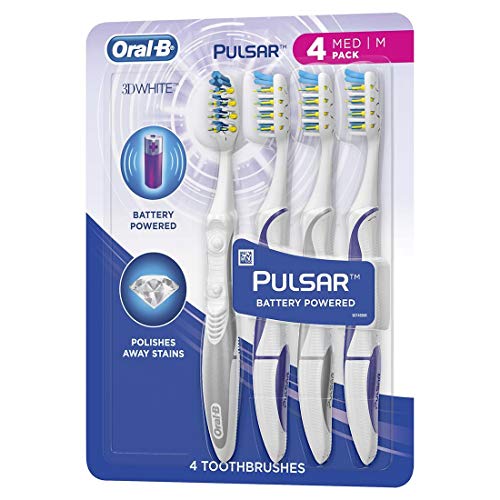
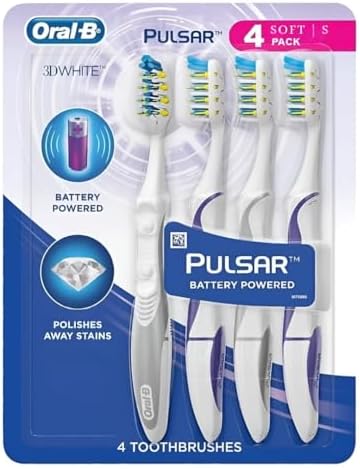
How Do Vibrating Toothbrushes Work?
At their core, vibrating toothbrushes use a small motor to create movement within the brush head.
Oscillating Technology
Oscillating toothbrushes feature round brush heads that rotate back and forth at high speeds. These rapid movements help break up plaque and food particles from the tooth surface.
Sonic Technology
Sonic toothbrushes move the bristles side to side at extremely high frequencies. Some models can produce over 30,000 brush strokes per minute.
The vibrations create tiny fluid movements that can help clean areas beyond where the bristles physically touch.
The Science Behind the Cleaning
Imagine dropping a pebble into a pond. The ripples spread outward far beyond the pebble itself.
Similarly, sonic vibrations create movement in saliva, water, and toothpaste around your teeth. This can help dislodge debris from tight spaces between teeth and along the gumline.
Why Are Vibrating Toothbrushes So Popular?
The popularity of vibrating toothbrushes isn’t simply marketing hype.
People appreciate them because they offer:
- Consistent cleaning performance
- Built-in timers
- Pressure sensors
- Improved plaque removal
- Easier brushing techniques
- Enhanced user experience
Many users describe the feeling as similar to receiving a mini dental cleaning twice a day.
Are Vibrating Toothbrushes Better Than Manual Toothbrushes?
This is perhaps the most important question.
For most users, vibrating toothbrushes have several advantages over manual brushes.
Improved Plaque Removal
Plaque is the sticky film of bacteria that constantly forms on our teeth.
Because vibrating toothbrushes perform thousands of cleaning motions every minute, they often remove plaque more effectively than manual brushing.
Even someone with excellent manual brushing skills may struggle to match the consistency of a powered toothbrush.
More Consistent Brushing
Let’s be honest.
Most of us are not brushing as carefully as we think we are.
We rush through our morning routine, glance at our phones, or mentally plan the day ahead.
A vibrating toothbrush helps compensate for those imperfect habits by providing consistent cleaning power.
Built-In Timers Encourage Better Habits
Many people brush for less than two minutes.
Electric toothbrushes often include timers that guide users through the recommended brushing duration.
This seemingly small feature can dramatically improve oral hygiene over time.
Benefits of Vibrating Toothbrushes
The advantages extend far beyond cleaner teeth.
Superior Plaque Control
Plaque removal remains one of the biggest benefits.
Better plaque control often leads to:
- Healthier gums
- Fresher breath
- Reduced tartar buildup
- Lower cavity risk
Gentler on Gums
Many people assume stronger cleaning means harsher brushing.
Ironically, the opposite is often true.
Because the toothbrush provides the movement, users can apply less pressure.
Ideal for People With Limited Dexterity
Individuals with conditions such as arthritis may find manual brushing difficult.
Vibrating toothbrushes simplify the process significantly.
The brush performs most of the work, reducing strain on the hands and wrists.
Encourages Better Oral Hygiene Habits
Technology has a way of making routines more engaging.
Features such as:
- Smartphone apps
- Progress tracking
- Pressure alerts
- Brushing reminders
can motivate users to brush more effectively.
Can Vibrating Toothbrushes Improve Gum Health?
Healthy gums are the foundation of a healthy mouth.
Without proper gum care, issues such as gingivitis and periodontal disease can develop.
Reducing Gum Inflammation
Plaque accumulation near the gumline often causes inflammation.
Because vibrating toothbrushes excel at removing plaque, they may help reduce redness, swelling, and bleeding.
Supporting Long-Term Gum Health
Think of gum health like maintaining a garden.
A little daily attention prevents major problems later.
Regular use of a vibrating toothbrush can contribute to healthier gums over the long term.
Are Vibrating Toothbrushes Safe?
Absolutely.
When used properly, vibrating toothbrushes are considered safe for daily use.
Designed for Everyday Brushing
Manufacturers design these devices specifically for twice-daily brushing.
Many include features that protect teeth and gums from excessive force.
Pressure Sensors Add Protection
Some premium models include pressure sensors that alert users when they’re brushing too hard.
This feature helps prevent:
- Gum recession
- Enamel wear
- Tooth sensitivity
Do Vibrating Toothbrushes Damage Teeth?
This concern is common but usually unfounded.
The Real Risk Is Excessive Pressure
The vibration itself is not harmful.
Problems occur when users press too aggressively against their teeth.
Most modern electric toothbrushes are actually safer than aggressive manual brushing.
Following Proper Technique Matters
Allow the toothbrush to glide from tooth to tooth.
There’s no need to scrub vigorously.
Think of it like steering a self-driving car rather than pushing a shopping cart.
Who Should Use a Vibrating Toothbrush?
The beauty of vibrating toothbrushes is their versatility.
Adults Seeking Better Oral Care
Anyone wanting to improve their brushing routine may benefit.
Teenagers
Many teenagers brush inconsistently.
Electric toothbrushes often make oral hygiene more engaging and effective.
Older Adults
Reduced dexterity can make manual brushing challenging.
A vibrating toothbrush helps maintain thorough cleaning with less effort.
People With Braces
Orthodontic appliances create additional spaces where plaque can accumulate.
Vibrating toothbrushes can help clean around brackets and wires more efficiently.
Who Might Not Need One?
Not everyone requires a vibrating toothbrush.
Excellent Manual Brushers
Some individuals maintain exceptional oral health with a manual toothbrush.
If you’re consistently achieving excellent dental checkups, the upgrade may be less essential.
Budget-Conscious Users
Electric toothbrushes cost more than manual alternatives.
For some households, affordability may be a deciding factor.
Common Myths About Vibrating Toothbrushes
Misconceptions often create unnecessary confusion.
Myth 1: They Are Too Powerful
Most vibrating toothbrushes are surprisingly gentle.
Myth 2: They Cause Tooth Sensitivity
Sensitivity usually stems from existing dental issues or improper technique.
Myth 3: They Are Only for Older Adults
People of nearly all ages can benefit from powered brushing.
Myth 4: Manual Toothbrushes Are Just as Effective for Everyone
While manual brushes can work well, many users struggle to maintain ideal technique consistently.
How to Use a Vibrating Toothbrush Correctly
Technique matters.
Even the best toothbrush can’t compensate for poor habits.
Step 1: Apply Toothpaste
Use a pea-sized amount.
Step 2: Position the Brush
Place the bristles at a slight angle toward the gumline.
Step 3: Let the Brush Work
Avoid scrubbing.
Simply guide the brush slowly across each tooth surface.
Step 4: Follow the Timer
Brush for the full recommended two minutes.
Step 5: Clean the Brush Head
Rinse thoroughly after each use.
Features Worth Looking For
Not all vibrating toothbrushes are created equal.
Pressure Sensor
One of the most valuable features available.
Two-Minute Timer
Helps ensure adequate brushing duration.
Multiple Cleaning Modes
Useful for:
- Sensitive teeth
- Deep cleaning
- Gum care
- Whitening
Long Battery Life
Especially important for travelers.
Are Expensive Vibrating Toothbrushes Worth It?
Price often raises questions.
Budget Models
Affordable models can still provide excellent cleaning performance.
Premium Models
Higher-end brushes may include:
- Smart coaching
- Advanced sensors
- Multiple modes
- Interactive apps
Finding the Sweet Spot
For many users, a mid-range model delivers the best balance between cost and performance.
How Long Do Vibrating Toothbrushes Last?
A quality toothbrush can last several years.
Brush Head Replacement
Most manufacturers recommend replacing brush heads every three months.
Battery Lifespan
Rechargeable batteries often function effectively for several years before performance declines.
Environmental Considerations
Some people worry about electronic waste.
The Good News
Many vibrating toothbrushes use replaceable brush heads rather than requiring complete replacement.
This reduces waste compared to discarding an entire toothbrush every few months.
Recycling Options
Some manufacturers offer recycling programs for used brush heads.
The Future of Vibrating Toothbrushes
Technology continues to evolve.
Future toothbrushes may feature:
- AI-powered brushing guidance
- Enhanced oral health tracking
- Real-time dental monitoring
- Personalized cleaning recommendations
What once seemed futuristic is quickly becoming reality.
Are Vibrating Toothbrushes Good for Sensitive Teeth?
Many people with sensitive teeth assume electric toothbrushes will worsen discomfort.
In practice, the opposite is often true.
Because vibrating toothbrushes reduce the need for aggressive scrubbing, they can help protect enamel and minimize irritation. Many models also offer dedicated sensitive modes that operate with gentler vibrations.
If sensitivity is a concern, pairing a vibrating toothbrush with toothpaste designed for sensitive teeth can be particularly effective.
The Real Verdict on Vibrating Toothbrushes
So, are vibrating toothbrushes good?
For most people, yes.
They combine technology, convenience, and cleaning efficiency in a way that can significantly improve oral hygiene. While a manual toothbrush can still achieve excellent results when used correctly, vibrating toothbrushes help eliminate many common brushing mistakes.
They’re not magic wands. They won’t replace flossing, professional cleanings, or healthy habits. However, they can make daily oral care easier, more consistent, and more effective.
Think of them as upgrading from a bicycle to an electric bike. Both can get you where you’re going, but one makes the journey smoother and often more efficient.
Conclusion
Vibrating toothbrushes have earned their reputation for a reason. They provide powerful plaque removal, support healthier gums, encourage better brushing habits, and simplify oral care for people of all ages.
Whether you’re looking to improve your dental routine, protect your gums, or simply make brushing easier, a vibrating toothbrush can be a worthwhile investment. The best choice ultimately depends on your needs, budget, and oral health goals, but for many households, the benefits far outweigh the costs.
A brighter smile, healthier gums, and greater confidence often begin with the simple habit of brushing more effectively—and vibrating toothbrushes can help us do exactly that.
Frequently Asked Questions
1. Are vibrating toothbrushes better for plaque removal?
Yes. Vibrating toothbrushes generally remove plaque more effectively than manual toothbrushes due to their high-speed cleaning motions.
2. Can I use a vibrating toothbrush every day?
Absolutely. They are designed for daily use and are safe when used according to the manufacturer’s instructions.
3. Do dentists recommend vibrating toothbrushes?
Many dentists recommend electric and vibrating toothbrushes because they can improve brushing effectiveness and consistency.
4. Are vibrating toothbrushes suitable for children?
Yes, many manufacturers offer child-friendly models specifically designed for younger users.
5. How often should I replace the brush head?
Most dental professionals recommend replacing the brush head approximately every three months or sooner if the bristles become worn.