
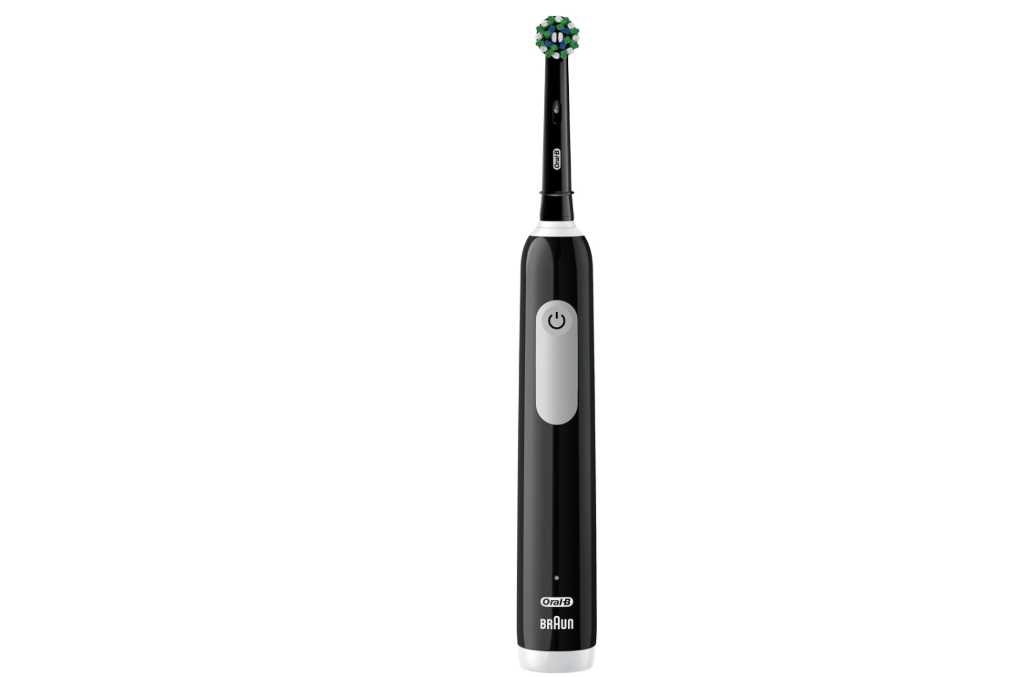
When was the last time you replaced your Oral-B brush head? If you’re struggling to remember, you’re not alone. Many of us diligently brush twice a day but rarely think about the small component doing all the heavy lifting—the brush head itself.
Just like a pair of running shoes loses its cushioning over time, an electric toothbrush head gradually loses its effectiveness. The bristles wear down, cleaning power decreases, and plaque removal becomes less efficient. That means keeping an old brush head can prevent you from getting the sparkling clean feeling your Oral-B toothbrush was designed to deliver.
In this comprehensive guide, we’ll explore exactly how often you should change an Oral-B head, the warning signs that it’s time for a replacement, and how regular replacements can improve your oral health.
Why Replacing Your Oral-B Head Matters
The brush head is the part that directly interacts with your teeth and gums. Over weeks and months of use, the bristles experience wear and tear from constant brushing.
As bristles become frayed, they:
- Remove less plaque
- Reach less effectively between teeth
- Become less gentle on gums
- Harbor more bacteria
- Reduce overall brushing performance
Think of a worn toothbrush head like a broom with bent bristles. It may still sweep, but it won’t clean nearly as effectively as a new one.
The Official Recommendation
Change Your Oral-B Head Every 3 Months
Oral-B and many dental professionals recommend replacing your brush head every three months.
This recommendation isn’t arbitrary. Research consistently shows that toothbrush bristles lose cleaning efficiency after approximately 90 days of regular use.
If you brush twice daily for two minutes each session, your brush head accumulates around 12 hours of active brushing in three months. That’s enough time for noticeable wear to occur.
What Happens If You Wait Too Long?
Using a brush head beyond its recommended lifespan can lead to several issues.
Reduced Plaque Removal
Fresh bristles maintain their shape and stiffness. Worn bristles bend away from tooth surfaces, reducing their ability to remove plaque effectively.
Poor Gum Health
Frayed bristles can become less effective at cleaning along the gumline, allowing bacteria to accumulate.
Less Effective Cleaning
Even though your toothbrush motor continues operating at full power, the brush head becomes the weak link.
Potential Bacterial Build-Up
While rinsing helps remove debris, older brush heads can accumulate more microorganisms over time.
Signs It’s Time to Replace Your Oral-B Head
Sometimes a brush head needs replacement before the three-month mark.
The Bristles Are Frayed
This is the most obvious indicator.
If the bristles are:
- Bent outward
- Flattened
- Uneven
- Splayed in multiple directions
It’s time for a new brush head.
Indicator Bristles Have Faded
Many Oral-B heads feature blue Indicator® bristles.
These special bristles gradually fade toward white with use. Once about half of the blue color has disappeared, replacement is recommended.
You Recently Recovered From an Illness
After recovering from:
- A cold
- Flu
- Strep throat
- Other infections
Replacing your brush head can be a smart hygiene practice.
The Head Smells Unpleasant
A persistent odor after cleaning may indicate it’s time for a replacement.
Do Different Oral-B Heads Last the Same Length of Time?
Most Oral-B brush heads follow the same three-month guideline.
However, usage patterns can affect lifespan.
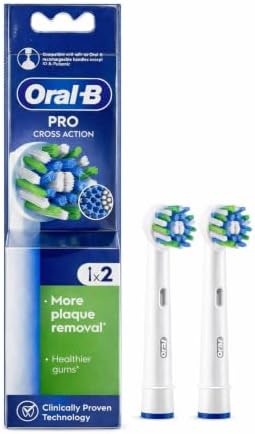
CrossAction Brush Heads
CrossAction heads are among Oral-B’s most popular options.
Their angled bristles provide excellent cleaning but still require replacement approximately every three months.
Sensitive Clean Brush Heads
Sensitive brush heads feature softer bristles that may show wear slightly sooner if used aggressively.
Precision Clean Heads
Precision Clean heads generally maintain performance for the recommended three-month period.
FlossAction Brush Heads
The specialized MicroPulse bristles can wear down over time, making regular replacement important.
How Brushing Habits Affect Brush Head Life
Not all users wear out brush heads at the same rate.
Heavy Brushers
If you press hard while brushing, you’ll likely need replacements sooner.
Excess pressure causes:
- Faster bristle wear
- Increased splaying
- Reduced lifespan
Gentle Brushers
Those who allow the toothbrush to do the work often get the full three months from a brush head.
Frequent Brushers
Brushing more than twice daily can accelerate wear and shorten replacement intervals.
Can You Extend the Life of Your Oral-B Head?
While you can’t stop natural wear, proper care can maximize lifespan.
Rinse Thoroughly After Every Use
Remove toothpaste and debris immediately after brushing.
Store Upright
Allow the brush head to air dry naturally.
Avoid Closed Containers
Constant moisture encourages bacterial growth.
Keep Brush Heads Separate
If multiple toothbrushes are stored together, avoid contact between heads.
How Often Should Kids Change Oral-B Heads?
Children should generally follow the same three-month replacement guideline.
However, younger children often brush more aggressively or chew on brush heads.
Parents should inspect children’s brush heads regularly for:
- Flattened bristles
- Bite marks
- Missing bristles
- Excessive wear
In many cases, children may need replacements more frequently than adults.
The Hidden Cost of Delaying Replacement
Some people try to save money by extending brush head usage.
At first glance, this seems reasonable. However, the long-term consequences can be more expensive.
Potential Costs Include
- More plaque accumulation
- Increased dental cleanings
- Higher cavity risk
- Gum health issues
- Additional dental treatments
A replacement brush head costs significantly less than most dental procedures.
How to Remember When to Replace Your Oral-B Head
Forgetting replacement dates is incredibly common.
Fortunately, there are simple solutions.
Set a Calendar Reminder
Create a recurring reminder every three months.
Replace With the Seasons
Many people find it easy to remember:
- Spring
- Summer
- Fall
- Winter
New season, new brush head.
Use the Oral-B App
Some Oral-B smart toothbrushes connect to an app that helps track usage.
Subscribe to Automatic Deliveries
Many online retailers offer subscription services for replacement heads.
Common Myths About Replacing Oral-B Heads
Myth #1: The Head Looks Fine, So It Must Be Fine
Bristles can lose effectiveness before obvious wear appears.
Myth #2: Electric Brush Heads Last Forever
Even premium brush heads experience gradual degradation.
Myth #3: Harder Brushing Means Better Cleaning
The opposite is often true.
Modern Oral-B toothbrushes are designed to clean effectively with light pressure.
Myth #4: Replacement Is Only Necessary When Bristles Fall Out
By the time bristles start falling out, cleaning performance has already declined significantly.
How a New Oral-B Head Feels Different
Have you ever replaced a brush head and immediately noticed a difference?
Many users report:
- A fresher feeling
- Better plaque removal
- Cleaner teeth
- Improved gum comfort
- More effective brushing
It’s similar to putting fresh tires on a car. The difference becomes obvious once you experience it.
When Should You Replace the Entire Toothbrush?
While brush heads need replacement every three months, the handle itself lasts much longer.
Replace the Toothbrush Handle If
- Battery performance declines significantly
- Charging issues occur
- Internal components fail
- Physical damage affects operation
Most Oral-B handles can last several years with proper care.
Best Practices for Maintaining Optimal Oral Health
Changing your Oral-B head regularly is only one piece of the puzzle.
For the best results, combine it with:
- Brushing twice daily
- Flossing every day
- Using mouthwash when appropriate
- Regular dental checkups
- Professional cleanings
- Proper brushing technique
Together, these habits create a strong foundation for lifelong oral health.
The Three-Month Rule: Why It Works
The beauty of the three-month rule lies in its simplicity.
You don’t need complicated measurements or detailed inspections every week. For most people, replacing the brush head every three months ensures consistent cleaning performance and supports healthy teeth and gums.
Could some heads last slightly longer? Perhaps. But oral health is one area where preventive habits consistently outperform reactive ones.
A fresh brush head is a small investment with potentially significant benefits.


Conclusion
So, how often should you change an Oral-B head? The answer is simple: every three months for most users.
However, if you notice frayed bristles, faded indicator bristles, signs of damage, or you’ve recently recovered from an illness, replacing it sooner is a smart move.
Your Oral-B toothbrush is only as effective as the brush head attached to it. By replacing it regularly, you’re ensuring maximum plaque removal, better gum health, and a cleaner, healthier smile.
Think of a replacement brush head as routine maintenance for your oral health—a small action that delivers long-term rewards every time you brush.
Frequently Asked Questions
1. Can I use an Oral-B brush head for longer than 3 months?
You can, but cleaning effectiveness will gradually decrease. Dental professionals generally recommend replacing it every three months for optimal performance.
2. How do I know when my Oral-B brush head needs replacing?
Look for faded indicator bristles, fraying, splaying, or visible wear. These are clear signs that replacement is due.
3. Should I replace my Oral-B head after being sick?
Yes. Replacing the brush head after illnesses such as the flu or a cold is a good hygiene practice.
4. Do all Oral-B brush heads last about 3 months?
Most Oral-B brush heads are designed to provide optimal performance for approximately three months under normal use.
5. What happens if I never replace my Oral-B brush head?
Old brush heads become less effective at removing plaque, may harbor more bacteria, and can contribute to poorer oral hygiene over time.