
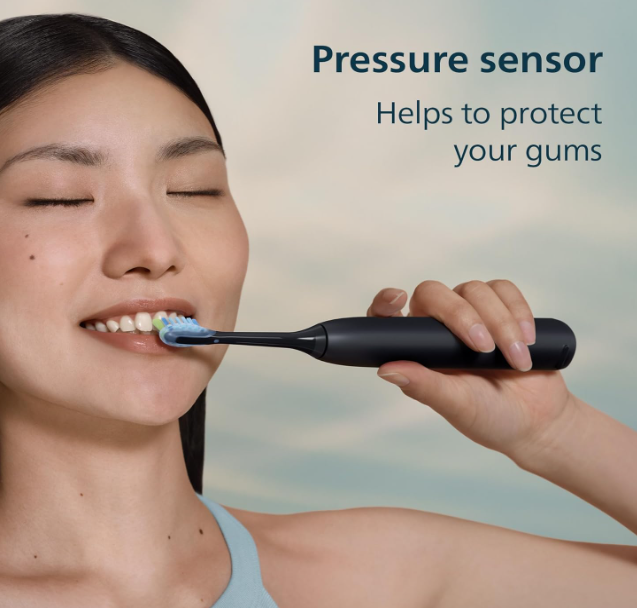
Electric Toothbrushes With Pressure Sensors: Why This Feature Matters More Than Ever
When choosing an electric toothbrush, one feature deserves far more attention than brushing modes, travel cases, or smartphone apps: the pressure sensor.
A pressure sensor helps prevent one of the most common brushing mistakes—applying excessive force to teeth and gums. Many people mistakenly believe that brushing harder leads to cleaner teeth. In reality, aggressive brushing can contribute to gum recession, enamel wear, tooth sensitivity, and less effective plaque removal.
Modern electric toothbrushes use pressure-sensing technology to detect excessive force and immediately alert the user. Depending on the model, the toothbrush may reduce motor power, illuminate a warning light, vibrate differently, or provide app-based feedback.
In this guide, we explore everything you need to know about pressure sensors, including how they work, which brands offer the best implementations, and why they can dramatically improve your oral hygiene routine.
What Is a Pressure Sensor on an Electric Toothbrush?
A pressure sensor is an electronic mechanism built into the toothbrush handle that detects excessive force during brushing.
When you push too hard against your teeth or gums, the sensor activates and triggers a response designed to encourage gentler brushing.
Typical responses include:
- Red warning lights
- Reduced brush head movement
- Motor speed adjustments
- Handle vibrations
- Smartphone notifications
- Real-time brushing coaching
The purpose is simple: protect teeth and gums while maintaining optimal cleaning performance.
Why Brushing Too Hard Is Harmful
Many people unknowingly brush harder than necessary.
Electric toothbrushes are designed to perform thousands of brush movements every minute. Applying extra force does not increase cleaning effectiveness. Instead, it can create several oral health problems.
Gum Recession
One of the most common consequences of aggressive brushing is gum recession.
As gum tissue gradually pulls away from the teeth, tooth roots become exposed. This can lead to:
- Increased sensitivity
- Higher risk of decay
- Cosmetic concerns
- Greater susceptibility to periodontal disease
Enamel Wear
Tooth enamel is the hardest substance in the human body, but it is not indestructible.
Repeated aggressive brushing may gradually wear enamel away, particularly when combined with abrasive toothpaste.
Potential consequences include:
- Yellowing teeth
- Increased sensitivity
- Greater cavity risk
- Rough tooth surfaces
Tooth Sensitivity
When enamel becomes thinner or gum recession exposes tooth roots, sensitivity often develops.
Many people experience discomfort when consuming:
- Hot drinks
- Cold beverages
- Ice cream
- Sweet foods
- Acidic foods
Reduced Cleaning Efficiency
Ironically, excessive pressure may actually reduce cleaning performance.
When brush bristles are flattened against the teeth, they become less capable of reaching into grooves, crevices, and gumline areas where plaque accumulates.
How Pressure Sensors Work
The technology behind pressure sensors has become increasingly sophisticated.
Step 1: Pressure Detection
Internal sensors continuously monitor force applied during brushing.
Step 2: Threshold Activation
Once a predetermined pressure limit is exceeded, the system recognizes excessive force.
Step 3: User Feedback
The toothbrush immediately alerts the user through visual, mechanical, or digital feedback.
Step 4: Behavior Correction
Users reduce pressure and return to proper brushing technique.
This real-time coaching creates healthier habits over time.
Types of Pressure Sensor Alerts
Not all pressure sensors work the same way.
Visual Alerts
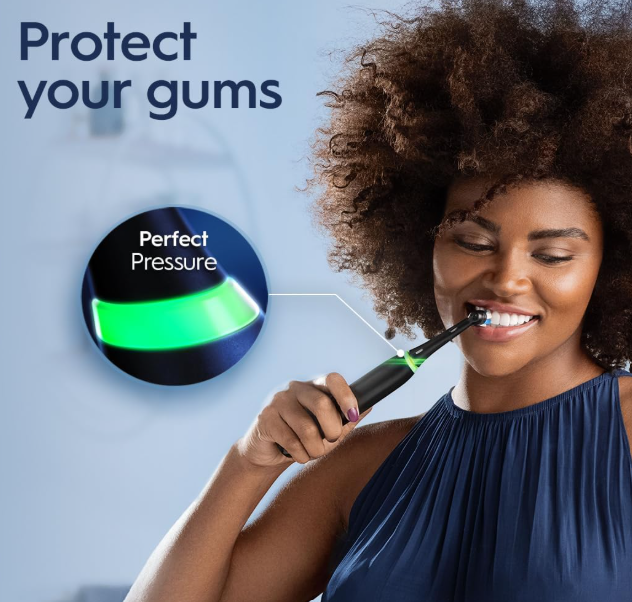
The most common implementation uses LED lights.
Examples include:
- Red warning lights
- Illuminated pressure rings
- Color-changing indicators
Visual alerts are highly effective because they provide immediate feedback.
Motor Speed Reduction
Some toothbrushes automatically decrease brush head speed when excessive pressure is detected.
This helps reduce potential damage instantly.
Vibration Alerts
Certain models use changes in vibration patterns to signal excessive force.
Users quickly learn to recognize these warnings.
Smartphone Notifications
Premium connected toothbrushes can display real-time feedback through mobile apps.
Benefits include:
- Brushing reports
- Pressure tracking
- Personalized coaching
- Habit monitoring
Philips Sonicare Pressure Sensor Technology
Philips Sonicare includes pressure sensors on many mid-range and premium models.
Most Sonicare pressure sensors combine:
- Handle vibration
- Subtle LED indicators
- App-based coaching on connected models
Sonicare Models With Pressure Sensors
Popular Sonicare toothbrushes featuring pressure sensors include:
- Sonicare 3100 Series
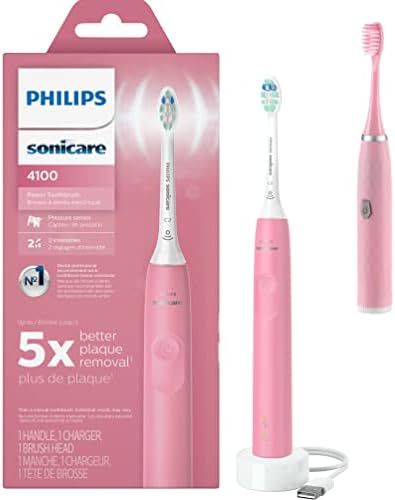
- Sonicare 4100 Series
- ProtectiveClean 4100
- ProtectiveClean 5100
- ProtectiveClean 6100
- ExpertClean
- DiamondClean 9000
- DiamondClean Smart
- Prestige 9900
How Sonicare Pressure Sensors Work
When excessive pressure is applied:
- The handle vibrates.
- A warning indicator activates.
- Connected models provide app feedback.
The primary criticism of many Sonicare models is visibility.
On several brushes, warning indicators can be difficult to notice while brushing.
However, premium models such as the DiamondClean Smart and Prestige 9900 offer significantly improved visual feedback.
Oral-B Pressure Sensor Technology
Oral-B has long been recognized as an industry leader in pressure sensor implementation.
Their system is typically easier to see during brushing.
Many Oral-B brushes feature a visible pressure ring positioned near the brush head.
When brushing too hard:
- The ring illuminates red.
- Motor performance adjusts.
- Users receive immediate visual feedback.
Oral-B Smart Pressure Sensor
The introduction of the Oral-B iO Series brought a major advancement.
Rather than simply warning users when pressure is excessive, the Smart Pressure Sensor actively teaches ideal brushing pressure.
Red Light
Indicates excessive force.
Green Light
Indicates ideal pressure.
White Light
On some models, indicates insufficient pressure.
This creates a much more intuitive brushing experience.
Instead of merely avoiding mistakes, users learn exactly how much pressure should be applied.
Oral-B Models With Pressure Sensors
Popular Oral-B toothbrushes equipped with pressure sensors include:
Traditional Oral-B Models
- Pro 1500
- Smart 1500
- Pro 3000
- Pro 5000
- Genius 6000
- Genius 8000
- Genius X
Oral-B iO Series
- iO Series 3
- iO Series 4
- iO Series 5
- iO Series 6
- iO Series 7
- iO Series 8
- iO Series 9
- iO Series 10


Sonicare vs Oral-B Pressure Sensors
Visibility
Winner: Oral-B
The illuminated pressure ring is highly visible.
Real-Time Guidance
Winner: Oral-B iO Series
Green-light confirmation provides superior coaching.
App Integration
Tie
Both brands offer advanced app-based guidance on premium models.
Overall User Experience
Winner: Oral-B
Most users find Oral-B’s visual alerts easier to understand and respond to.
Are Pressure Sensors Worth Paying Extra For?
For most people, absolutely.
A pressure sensor can help prevent:
- Gum damage
- Enamel wear
- Tooth sensitivity
- Inefficient brushing habits
The feature often adds relatively little to the overall purchase price while delivering substantial long-term oral health benefits.
Who Benefits Most From a Pressure Sensor?
People With Sensitive Gums
Pressure sensors help minimize irritation and inflammation.
Individuals With Gum Recession
Gentle brushing becomes easier to maintain consistently.
Orthodontic Patients
Braces create additional brushing challenges where controlled pressure matters.
First-Time Electric Toothbrush Users
New users often apply too much force initially.
Children and Teenagers
Pressure sensors can help establish healthy brushing habits early.
Can You Learn Better Brushing Habits Over Time?
Yes.
Many users report noticeable improvements within a few weeks.
The constant feedback creates awareness that eventually becomes automatic.
Over time, users often develop proper technique and naturally apply less pressure—even when using manual toothbrushes.
Do Budget Electric Toothbrushes Have Pressure Sensors?
Some do, but many entry-level models omit this feature.
When shopping, carefully check product specifications.
Common budget toothbrush features include:
- Basic timers
- Single cleaning modes
- Rechargeable batteries
Pressure sensors often appear on mid-range models and above.
Can You Add a Pressure Sensor Later?
No.
Pressure sensors are integrated into the internal design of the toothbrush during manufacturing.
There are currently no aftermarket accessories capable of adding true pressure-sensing functionality to an existing toothbrush.
If a pressure sensor is important to you, choosing a model that includes one from the start is essential.
Signs You Are Brushing Too Hard
Even without a pressure sensor, certain warning signs suggest excessive force.
Look for:
- Frayed brush bristles after a few weeks
- Bleeding gums
- Gum recession
- Increased tooth sensitivity
- Toothbrush heads wearing out unusually fast
These symptoms often indicate that brushing pressure should be reduced.
Best Electric Toothbrushes With Pressure Sensors
Best Overall
Philips Sonicare 4100 Series
Excellent cleaning performance, reliable pressure sensor, and outstanding value.
Best Oral-B Option
Oral-B iO Series 3
Combines smart pressure sensing with premium brushing performance at a more accessible price.
Best Premium Sonicare
Philips Sonicare Prestige 9900
Advanced sensing technology, app coaching, and luxury design.
Best Premium Oral-B
Oral-B iO Series 10
Among the most sophisticated pressure-sensing systems currently available.
Final Verdict
A pressure sensor is no longer a luxury feature—it is one of the most valuable technologies available in modern electric toothbrushes. By helping users maintain optimal brushing pressure, these sensors protect enamel, preserve gum health, improve cleaning effectiveness, and encourage better long-term habits.
Whether choosing Philips Sonicare, Oral-B, or another leading brand, selecting a toothbrush with a pressure sensor is one of the smartest investments we can make for healthier teeth and gums. The best systems not only warn when we brush too hard but actively teach the ideal brushing technique, transforming everyday oral care into a safer, more effective experience.
Frequently Asked Questions
Does a pressure sensor make teeth cleaner?
Not directly. It helps maintain ideal brushing pressure, which improves cleaning efficiency and reduces damage.
Which brand has the best pressure sensor?
Oral-B’s iO Series currently offers one of the most advanced pressure-sensing systems available.
Can pressure sensors prevent gum recession?
They can help reduce one of the major contributing factors: aggressive brushing.
Do all Sonicare toothbrushes have pressure sensors?
No. Many mid-range and premium models do, but not every Sonicare toothbrush includes this feature.
Is a pressure sensor important for sensitive teeth?
Yes. People with sensitive teeth often benefit significantly from controlled brushing pressure.