
Electric toothbrushes have become one of the most popular oral care tools in modern households. Walk into any store, and you’ll find shelves packed with sleek, high-tech brushes promising cleaner teeth, healthier gums, and brighter smiles. Yet despite their popularity, many people still ask an important question: Are electric toothbrushes dangerous?
It’s a fair concern. After all, we’re talking about a device that vibrates, oscillates, or pulses thousands of times per minute inside our mouths. Can that level of power damage teeth? Hurt gums? Loosen fillings? Cause long-term oral problems?
The short answer is no—electric toothbrushes are generally safe when used correctly. However, like any tool, misuse can lead to problems. In this guide, we’ll explore the facts, myths, risks, benefits, and safety considerations surrounding electric toothbrushes so we can separate reality from misconception.
Why People Worry About Electric Toothbrush Safety
When something moves thousands of times per minute, it’s natural to wonder whether it’s too aggressive for our teeth and gums.
Many first-time users experience sensations they aren’t accustomed to:
- Tingling gums
- Increased sensitivity
- Ticklish feelings
- Mild gum irritation
- Unusual vibrations throughout the mouth
These experiences can create the impression that electric toothbrushes are damaging oral tissues. In reality, most of these sensations are temporary adjustments as our mouths adapt to a new cleaning method.
The fear often stems from misunderstanding how electric toothbrushes work rather than from actual danger.
How Electric Toothbrushes Actually Work
Before we discuss risks, it’s helpful to understand the technology.
Oscillating-Rotating Brushes
These brush heads rotate back and forth rapidly to remove plaque.
Examples include many models from the Oral-B lineup.
Sonic Toothbrushes
Sonic brushes use high-frequency vibrations to create fluid movement around teeth and gums.
Popular examples include devices from Philips Sonicare.
Smart Toothbrushes
Modern smart brushes combine motion sensors, pressure detection, timers, and mobile connectivity to improve brushing habits.
Despite different technologies, their goal remains the same: effective plaque removal with minimal effort.
Are Electric Toothbrushes Safe for Everyday Use?
The overwhelming consensus among dental professionals is yes.
Electric toothbrushes are designed specifically for daily use. Millions of people worldwide use them twice a day without experiencing adverse effects.
In fact, many dentists recommend electric toothbrushes because they help users:
- Remove more plaque
- Improve brushing consistency
- Reach difficult areas
- Brush for the recommended amount of time
- Reduce excessive scrubbing
Ironically, manual brushing often causes more damage than electric brushing because users tend to apply excessive force.
The Biggest Risk: Brushing Too Hard
The toothbrush itself is rarely the problem.
The real issue is how we use it.
What Happens When We Brush Too Aggressively?
Excessive pressure can cause:
- Gum recession
- Tooth sensitivity
- Enamel wear
- Gum irritation
- Root exposure
Many people assume electric toothbrushes automatically brush harder than manual brushes.
The opposite is often true.
Most quality electric toothbrushes include pressure sensors that alert us when we’re pressing too hard.
Signs You’re Applying Too Much Pressure
Watch for:
- Flattened bristles
- Bleeding gums
- Increased sensitivity
- Gum soreness
- Receding gum lines
If these symptoms occur, adjusting technique is usually more important than changing toothbrushes.
Can Electric Toothbrushes Damage Tooth Enamel?
One of the most common myths is that electric toothbrushes wear away enamel.
Let’s think about enamel like the protective armor of a knight. It’s incredibly strong, but repeated abuse can eventually weaken it.
The good news?
Research consistently shows that electric toothbrushes do not significantly damage enamel when used properly.
Why Enamel Damage Is Rare
Electric brushes are engineered to:
- Use soft bristles
- Distribute pressure evenly
- Encourage gentle brushing
- Reduce aggressive scrubbing motions
Enamel wear usually results from:
- Brushing too hard
- Using hard-bristled brushes
- Brushing immediately after acidic foods
- Poor brushing technique
The toothbrush itself is rarely the culprit.
Can Electric Toothbrushes Harm Your Gums?
This concern is understandable because gums are delicate tissues.
Temporary Gum Irritation
New users sometimes experience mild irritation during the first few days.
This may happen because:
- Plaque removal increases
- Gums adapt to stimulation
- Existing inflammation becomes more noticeable
Typically, these symptoms disappear within a week or two.
When Gum Problems May Occur
Issues can develop if:
- The brush head is worn out
- Excessive pressure is used
- Brushing sessions are overly long
- The wrong brush head is selected
Even then, the problem usually stems from user behavior rather than the device itself.
Can Electric Toothbrushes Loosen Teeth?
This myth has circulated online for years.
Fortunately, there is no evidence that normal electric toothbrush use loosens healthy teeth.
Think about the forces involved.
Chewing food generates significantly more pressure than an electric toothbrush.
Our teeth are anchored securely within bone and supported by ligaments designed to withstand substantial daily forces.
A toothbrush simply doesn’t produce enough force to loosen healthy teeth.
Why Some People Think Their Teeth Feel Loose
Several factors may create this sensation:
- Existing gum disease
- Inflammation reduction
- Increased awareness of tooth movement
- Dental anxiety
If teeth genuinely feel loose, a dental examination is warranted, regardless of toothbrush type.
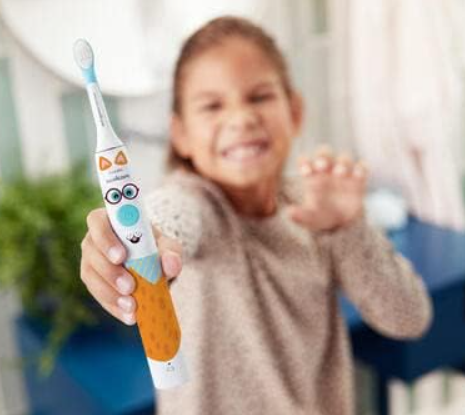
Are Electric Toothbrushes Safe for Children?
Many parents wonder whether electric toothbrushes are too powerful for young users.
The answer depends on selecting an age-appropriate model.
Benefits for Kids
Children often benefit from electric brushes because they:
- Make brushing more fun
- Improve cleaning effectiveness
- Encourage consistent routines
- Include timers and rewards
Safety Tips for Children
Parents should:
- Choose child-specific models
- Supervise younger children
- Use soft brush heads
- Teach gentle brushing techniques
When used appropriately, electric toothbrushes can be excellent tools for developing lifelong oral hygiene habits.
Are Electric Toothbrushes Safe for Sensitive Teeth?
Surprisingly, electric toothbrushes are often recommended for sensitive teeth.
Why They Can Help
Many models include:
- Sensitive modes
- Reduced power settings
- Gentle brush heads
- Pressure sensors
These features help minimize irritation while maintaining effective cleaning.
For people with sensitivity, a gentle electric toothbrush may actually feel more comfortable than aggressive manual brushing.
What About Fillings, Crowns, and Veneers?
Another widespread concern involves dental restorations.
Can Electric Toothbrushes Damage Dental Work?
Generally, no.
Electric toothbrushes are considered safe for:
- Fillings
- Crowns
- Bridges
- Veneers
- Dental implants
In fact, maintaining excellent oral hygiene around restorations is essential for their longevity.
Special Considerations
If we recently received dental work, our dentist may recommend:
- Temporary adjustments
- Sensitive settings
- Specific brush heads
Following professional guidance is always the best approach.
Electric Toothbrushes and Dental Implants
Dental implants require meticulous care.
Fortunately, electric toothbrushes can be highly beneficial.
Benefits Around Implants
They help:
- Remove plaque effectively
- Clean difficult areas
- Reduce inflammation risk
- Support long-term implant health
Many implant specialists actively recommend electric brushing as part of a comprehensive maintenance routine.
Could Electric Toothbrushes Spread Bacteria?
Some users worry that vibration may spread germs throughout the mouth.
While toothbrushes naturally collect bacteria, electric models are not uniquely dangerous.
Proper Hygiene Practices
We should:
- Rinse thoroughly after use
- Store upright
- Allow air drying
- Replace heads regularly
- Avoid sharing toothbrushes
Good maintenance dramatically reduces bacterial concerns.
The Importance of Replacing Brush Heads
Even the safest toothbrush can become less effective over time.
When to Replace a Brush Head
Most experts recommend replacement every:
- Three months
- Sooner if bristles fray
- After illness when appropriate
Worn bristles clean less effectively and may irritate oral tissues.
Think of a brush head like a pair of running shoes. Eventually, performance declines, even if the damage isn’t immediately visible.
Who Should Be Extra Careful?
Although electric toothbrushes are generally safe, certain individuals should pay extra attention.
People With Severe Gum Recession
Gentle settings may be preferable.
Those Recovering From Oral Surgery
Follow dentist recommendations regarding timing and brush type.
Individuals With Extreme Tooth Sensitivity
Sensitive modes and ultra-soft brush heads may provide greater comfort.
People With Specific Medical Conditions
A dental professional can recommend the most suitable oral hygiene approach.
Common Myths About Electric Toothbrushes
Myth #1: They Wear Down Teeth
Evidence does not support this claim when used correctly.
Myth #2: They Cause Gum Disease
Poor oral hygiene causes gum disease—not electric toothbrushes.
Myth #3: They Are Too Powerful
Modern models are designed with safety features and gentle cleaning technology.
Myth #4: Manual Brushes Are Always Safer
Safety depends more on technique than on toothbrush type.
Myth #5: They Damage Dental Work
Most restorations are completely compatible with electric brushing.
How to Use an Electric Toothbrush Safely
Proper technique matters more than power.
Best Practices
- Use a soft-bristled brush head.
- Let the brush do the work.
- Avoid scrubbing motions.
- Use gentle pressure.
- Brush for two minutes.
- Replace brush heads regularly.
- Follow manufacturer instructions.
A useful analogy is mowing a lawn. We don’t push harder to make the mower cut better. We simply guide it across the surface. Electric toothbrushes work the same way.
Benefits Often Outweigh the Risks
When we examine the evidence, the advantages are difficult to ignore.
Potential Benefits Include
- Improved plaque removal
- Better gum health
- More consistent brushing
- Reduced manual effort
- Built-in timers
- Pressure sensors
- Enhanced user compliance
For many people, these benefits significantly outweigh the minimal risks associated with improper use.
Should You Be Concerned About Radiation or Electricity?
Some consumers worry about electromagnetic fields or electrical exposure.
Understanding the Reality
Electric toothbrushes operate at extremely low power levels.
The electrical components remain sealed within the device, and the amount of energy involved is minimal compared with countless household electronics used daily.
There is no credible evidence suggesting that properly manufactured electric toothbrushes pose significant health risks from electrical operation.
Final Verdict: Are Electric Toothbrushes Dangerous?
For the vast majority of people, electric toothbrushes are not dangerous.
In fact, they are often safer and more effective than manual toothbrushes because they promote better brushing habits and reduce aggressive scrubbing. Most reported problems arise from excessive pressure, poor technique, worn brush heads, or pre-existing dental conditions—not from the toothbrush itself.
Like a well-designed bicycle, an electric toothbrush is a tool. Used correctly, it helps us reach our destination faster and more efficiently. Used improperly, minor issues can occur. Fortunately, modern designs include numerous safety features that make serious problems highly unlikely.
If we’re looking for cleaner teeth, healthier gums, and a more consistent oral care routine, an electric toothbrush remains one of the best investments we can make in our oral health.


FAQs
1. Can electric toothbrushes cause gum recession?
They can contribute if excessive pressure is used repeatedly, but most modern models include pressure sensors that help prevent this problem.
2. Are electric toothbrushes safe for people with braces?
Yes. Many orthodontists recommend them because they can clean around brackets and wires more effectively than manual brushes.
3. Can children use electric toothbrushes safely?
Absolutely. Age-appropriate models with soft bristles and parental supervision are generally very safe.
4. Do electric toothbrushes damage fillings or crowns?
No. Properly functioning fillings, crowns, veneers, and implants are typically safe to clean with an electric toothbrush.
5. Should I stop using an electric toothbrush if my gums bleed?
Not necessarily. Bleeding can indicate existing gum inflammation. If bleeding persists beyond a couple of weeks, consult a dental professional.