U-shaped toothbrushes have exploded in popularity over the last few years. Scroll through social media, browse online marketplaces, or search for innovative oral care products, and you’ll quickly encounter these futuristic-looking devices. They promise faster brushing, easier cleaning, and a more convenient way to maintain oral hygiene.
But here’s the question many of us are asking: Are U shaped toothbrushes effective?
The answer isn’t as simple as a yes or no. While these devices offer some genuine advantages, they also come with limitations that every buyer should understand before making a purchase.
In this comprehensive guide, we’ll explore how U-shaped toothbrushes work, their effectiveness compared to traditional toothbrushes, who should use them, and whether they’re worth your money.
What Is a U Shaped Toothbrush?
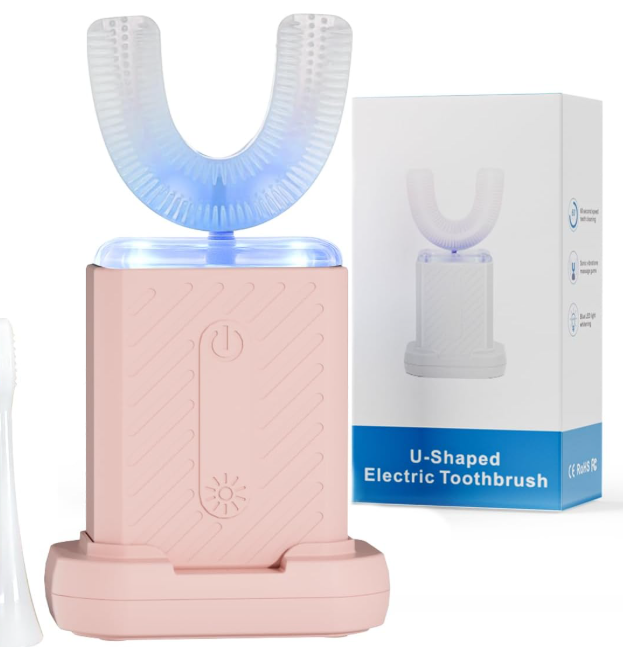
A U-shaped toothbrush is a mouthpiece-style toothbrush designed to clean multiple teeth simultaneously.
Unlike traditional toothbrushes that require manual movement across each tooth surface, a U-shaped toothbrush fits around the upper and lower teeth at the same time. The user simply inserts the mouthpiece and allows vibrations or sonic technology to perform the cleaning.
The design resembles a mouthguard used in sports, except it contains soft bristles or silicone cleaning elements positioned around the arch of the teeth.
How Does a U Shaped Toothbrush Work?
The concept is surprisingly simple.
The Basic Process
- Apply toothpaste to the mouthpiece.
- Insert the toothbrush into your mouth.
- Turn on the device.
- Allow vibrations to run for 30–60 seconds.
- Remove and rinse.
Most models use sonic vibrations or oscillating movements to loosen plaque and food particles.
The primary selling point is convenience. Instead of manually brushing for two minutes, users can theoretically achieve similar results in less time.
Why Are U Shaped Toothbrushes So Popular?
The rise of U-shaped toothbrushes isn’t accidental.
Several factors have contributed to their popularity:
- Social media advertising
- Viral product demonstrations
- Interest in time-saving gadgets
- Appeal to parents with young children
- Accessibility for people with limited mobility
- Curiosity about new oral care technology
Many advertisements portray them as a revolutionary replacement for traditional brushing methods.
But marketing and reality aren’t always identical twins.
The Science Behind Tooth Cleaning
Before evaluating U-shaped toothbrushes, we need to understand what makes any toothbrush effective.
Plaque Removal Is the Goal
The primary purpose of brushing is removing dental plaque.
Plaque is a sticky film of bacteria that constantly forms on teeth. If left untreated, it can lead to:
- Cavities
- Gum disease
- Bad breath
- Tooth discoloration
- Tooth loss
An effective toothbrush must physically disrupt and remove plaque from every accessible tooth surface.
Coverage Matters
Cleaning effectiveness depends heavily on coverage.
Every tooth contains multiple surfaces:
- Front
- Back
- Chewing surface
- Gumline areas
- Spaces between teeth
The more thoroughly these surfaces are cleaned, the healthier the mouth remains.
This is where U-shaped toothbrushes often face their greatest challenge.
Are U Shaped Toothbrushes Effective at Removing Plaque?
The effectiveness varies significantly depending on the device and the user’s expectations.
The Short Answer
Most U-shaped toothbrushes can remove some plaque, but many do not clean as thoroughly as a properly used traditional toothbrush or high-quality electric toothbrush.
Several independent tests and dental professionals have observed that many U-shaped models struggle to maintain consistent contact with all tooth surfaces.
As a result, certain areas may receive less cleaning than others.
Why Plaque Removal Can Be Inconsistent
Every mouth is unique.
People have different:
- Tooth sizes
- Dental arch shapes
- Bite patterns
- Gum contours
A single U-shaped mouthpiece cannot perfectly fit every user.
When the fit isn’t ideal, portions of the teeth may not receive enough brushing action.
Imagine trying to clean every corner of a house using a broom shaped for a completely different floor plan. Some areas inevitably get missed.
Comparing U Shaped Toothbrushes vs Traditional Toothbrushes
Let’s examine the differences more closely.
Cleaning Performance
Traditional toothbrushes allow precise control.
We can focus on:
- Gumlines
- Hard-to-reach molars
- Crowded teeth
- Problem areas
U-shaped toothbrushes clean everything simultaneously, but sacrifice some precision.
Winner: Traditional toothbrush.
Ease of Use
U-shaped toothbrushes excel in simplicity.
Insert. Activate. Wait.
Traditional brushing requires proper technique and attention.
Winner: U-shaped toothbrush.
Time Required
Most U-shaped devices advertise cleaning times between 30 and 60 seconds.
Traditional brushing is generally recommended for two minutes.
Winner: U-shaped toothbrush.
Cost
Many U-shaped toothbrushes cost more than manual brushes but less than premium electric toothbrushes.
Replacement mouthpieces also add ongoing expenses.
Winner: Depends on the model.
Can U Shaped Toothbrushes Replace Traditional Brushing?
For most adults, the answer is probably no.
While they can contribute to oral hygiene, many dental professionals remain cautious about recommending them as complete replacements.
A traditional or electric toothbrush provides:
- Better adaptability
- More thorough plaque removal
- Improved gumline cleaning
- Greater brushing control
Think of a U-shaped toothbrush as a shortcut through town. Sometimes it’s convenient, but it may not always get you exactly where you need to go.
Who May Benefit Most From U Shaped Toothbrushes?
Despite their limitations, these devices can still serve valuable purposes.
Children
Many children resist brushing.
A U-shaped toothbrush can make brushing feel more fun and less intimidating.
Benefits include:
- Increased engagement
- Simpler brushing routine
- Reduced resistance
However, parents should still supervise usage.
People With Limited Dexterity
Individuals with:
- Arthritis
- Motor impairments
- Disabilities affecting hand movement
may find U-shaped toothbrushes easier to use.
The reduced need for detailed hand movements can significantly improve accessibility.
Busy Individuals
Some people simply struggle to maintain brushing habits.
While a U-shaped toothbrush may not provide perfect cleaning, consistent use can be better than inconsistent traditional brushing.
Do U Shaped Toothbrushes Reach the Gumline?
The gumline is one of the most critical areas in oral hygiene.
Unfortunately, many U-shaped toothbrushes struggle here.
Why the Gumline Is Important
Plaque often accumulates where teeth meet gums.
Poor cleaning can lead to:
- Gingivitis
- Gum inflammation
- Bleeding gums
- Periodontal disease
Traditional brushing allows us to angle bristles directly toward the gumline.
Many U-shaped devices lack this level of precision.
The Role of Sonic Technology
Not all U-shaped toothbrushes are created equal.
Sonic Vibrations Explained
Sonic toothbrushes generate thousands of brush movements per minute.
These vibrations can help:
- Loosen debris
- Disturb plaque
- Improve cleaning efficiency
Higher-quality U-shaped toothbrushes often incorporate sonic technology to compensate for reduced mechanical brushing action.
Does Sonic Technology Solve Everything?
Not entirely.
Even powerful vibrations cannot fully compensate for poor bristle contact.
Physical contact remains essential for effective plaque removal.
Common Misconceptions About U Shaped Toothbrushes
Marketing sometimes creates unrealistic expectations.
Let’s clear up a few myths.
Myth #1: They Clean Every Tooth Perfectly
Reality: Fit varies between users.
Some surfaces may receive less attention than others.
Myth #2: Thirty Seconds Equals Two Minutes of Brushing
Reality: Faster doesn’t automatically mean better.
Cleaning quality matters more than speed.
Myth #3: They Eliminate the Need for Flossing
Reality: No toothbrush effectively replaces flossing.
Interdental cleaning remains essential.
Myth #4: All Models Are Equally Effective
Reality: Quality differs dramatically across manufacturers.
Premium devices generally outperform cheap alternatives.
Advantages of U Shaped Toothbrushes
Let’s give credit where it’s due.
These devices offer several genuine benefits.
Convenience
The biggest advantage is simplicity.
Users can brush with minimal effort.
Consistency
The device performs the same motion every time.
This can reduce variability in brushing habits.
Accessibility
People with physical limitations may achieve better oral hygiene than they would with a manual brush.
Novelty and Motivation
Sometimes new technology motivates better habits.
A toothbrush that gets used regularly is more valuable than a perfect toothbrush that sits in a drawer.
Disadvantages of U Shaped Toothbrushes
No product is perfect.
Limited Personalization
One-size-fits-all designs rarely fit everyone perfectly.
Potentially Reduced Plaque Removal
Many models struggle to match the effectiveness of traditional brushing.
Replacement Costs
Mouthpieces require periodic replacement.
Questionable Marketing Claims
Some manufacturers exaggerate performance benefits.
Consumers should approach bold claims with healthy skepticism.
What Dentists Generally Think About U Shaped Toothbrushes
Most dental professionals view U-shaped toothbrushes as supplemental tools rather than complete replacements.
Professional Concerns
Common concerns include:
- Incomplete plaque removal
- Poor gumline cleaning
- Limited adaptability
- Variable fit
Dentists generally prioritize effectiveness over convenience.
Professional Support
Some professionals acknowledge benefits for:
- Children
- Elderly users
- Patients with disabilities
- Individuals struggling with conventional brushing
In these situations, a U-shaped toothbrush may be a useful option.
How to Choose a Good U Shaped Toothbrush
If you’re considering buying one, look carefully at product specifications.
Key Features to Consider
Soft Bristles
Soft materials reduce gum irritation while maintaining comfort.
Multiple Size Options
A better fit often translates into better cleaning.
Sonic Technology
Higher vibration frequencies generally improve cleaning performance.
Water Resistance
Essential for durability and daily use.
Replaceable Mouthpieces
Maintaining hygiene requires regular replacement.
How to Get Better Results With a U Shaped Toothbrush
If you already own one, these tips can maximize effectiveness.
Use Proper Toothpaste
Apply toothpaste evenly across the mouthpiece.
Follow Recommended Timing
Avoid rushing through the process.
Add Gentle Jaw Movement
Some users achieve better coverage by making small movements during operation.
Floss Daily
A U-shaped toothbrush should never replace flossing.
Maintain Regular Dental Checkups
Professional cleanings remain essential regardless of toothbrush type.
The Future of U Shaped Toothbrush Technology
The concept itself is promising.
Future improvements may include:
- Custom-fitted mouthpieces
- AI-powered cleaning analysis
- Advanced pressure sensors
- Improved bristle materials
- Personalized dental mapping
As technology evolves, effectiveness may improve significantly.
What seems imperfect today could become a major innovation tomorrow.
Final Verdict: Are U Shaped Toothbrushes Effective?
So, are U shaped toothbrushes effective?
The answer is: yes, but with important limitations.
They can remove plaque, improve convenience, and encourage brushing habits. However, most current models do not consistently outperform traditional or high-quality electric toothbrushes when it comes to thorough cleaning.
For children, individuals with limited mobility, and people seeking a simpler brushing experience, U-shaped toothbrushes may provide meaningful benefits.
For adults seeking the highest level of plaque removal and gum health, a quality electric toothbrush or properly used manual toothbrush remains the gold standard.
The best toothbrush isn’t necessarily the most futuristic one. It’s the one that effectively cleans your teeth and becomes part of a consistent daily routine.
Frequently Asked Questions
1. Are U shaped toothbrushes approved by dentists?
Some dentists recognize their usefulness for certain users, but many still recommend traditional or electric toothbrushes for optimal cleaning.
2. Can children use U shaped toothbrushes?
Yes. Many U-shaped toothbrushes are specifically designed for children and may help improve brushing compliance.
3. Do U shaped toothbrushes work better than electric toothbrushes?
Generally, no. Most high-quality electric toothbrushes provide more thorough plaque removal and better gumline cleaning.
4. How long should I use a U shaped toothbrush?
Follow the manufacturer’s instructions, typically between 30 and 60 seconds per session.
5. Are U shaped toothbrushes worth buying?
They may be worth considering for convenience, accessibility, or children’s oral care, but they should not automatically replace proven brushing methods.


