
Introduction
Brushing our teeth is one of those daily habits that often feels automatic. We grab a toothbrush, move it around for a couple of minutes, rinse, and move on with our day. But what happens when we replace the traditional toothbrush with a U shaped toothbrush? Suddenly, the process looks different, feels different, and raises an important question: how do we actually use it correctly?
U shaped toothbrushes have gained popularity because they promise faster brushing, improved convenience, and a more comfortable experience for children and adults alike. Their distinctive mouthpiece design wraps around the teeth, allowing users to clean multiple surfaces simultaneously. It sounds revolutionary, but achieving the best results depends on understanding how to use the device properly.
In this comprehensive guide, we’ll explore everything we need to know about using a U shaped toothbrush, from setup and technique to maintenance and common mistakes. Whether we’re trying one for the first time or looking to improve our brushing routine, this guide will help us maximize its benefits.
What Is a U Shaped Toothbrush?
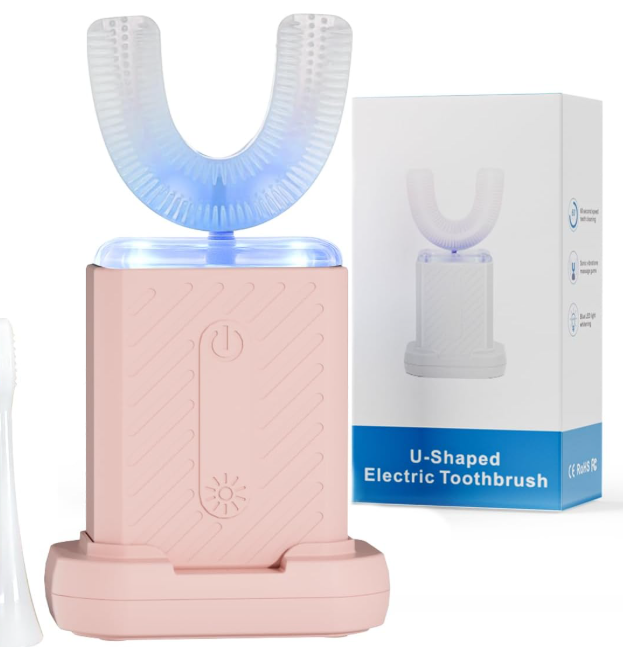
A U shaped toothbrush is an oral care device featuring a mouthpiece shaped like the letter “U.” Unlike traditional toothbrushes that require brushing each section individually, this design surrounds the upper and lower teeth simultaneously.
How It Differs from Traditional Toothbrushes
Traditional brushes rely on manual movement across each tooth surface. A U shaped toothbrush simplifies the process by:
- Covering multiple teeth at once
- Reducing brushing time
- Encouraging consistent brushing habits
- Offering a more user-friendly experience
Many models are electric and use sonic vibrations to enhance cleaning performance.
Why Are U Shaped Toothbrushes Becoming Popular?
The rise of U shaped toothbrushes isn’t just a passing trend. Their popularity stems from convenience and innovation.
Key Benefits
- Faster brushing sessions
- Easy operation
- Child-friendly design
- Reduced hand movement
- Potentially improved brushing consistency
For busy individuals, a U shaped toothbrush can feel like upgrading from a bicycle to a high-speed train.
Understanding the Components of a U Shaped Toothbrush
Before using one, we should become familiar with its main parts.
The Mouthpiece
The silicone mouthpiece contains soft bristles designed to contact the teeth and gums.
The Handle
Most models include a comfortable grip that houses the motor and battery.
Power Button
Used to activate cleaning modes and vibration settings.
Charging Port
Rechargeable models typically use USB charging systems.
Choosing the Right U Shaped Toothbrush
Not all U shaped toothbrushes are created equal.
Consider the Following Factors
Size
The mouthpiece should fit comfortably inside the mouth.
Age Group
Many brands offer separate versions for:
- Children
- Teenagers
- Adults
Material Quality
Medical-grade silicone generally provides better comfort and durability.
Battery Life
Long-lasting batteries improve convenience and reduce charging frequency.
Preparing Your U Shaped Toothbrush Before First Use
Preparation plays an important role in achieving optimal cleaning performance.
Step 1: Fully Charge the Device
Most manufacturers recommend a complete charge before first use.
Step 2: Wash the Mouthpiece
Rinse the mouthpiece thoroughly with warm water.
Step 3: Inspect for Damage
Check for tears, cracks, or defects before use.
Step 4: Read Manufacturer Instructions
Different brands may include specific recommendations.
How to Apply Toothpaste Correctly
One of the most common mistakes involves toothpaste placement.
Recommended Method
Apply toothpaste evenly along both sides of the silicone mouthpiece.
This helps distribute the toothpaste throughout the entire brushing area.
Avoid Overloading
Using excessive toothpaste may:
- Create unnecessary foam
- Reduce brushing visibility
- Cause uneven distribution
A small amount usually works best.
How to Use a U Shaped Toothbrush Step by Step
Now let’s walk through the actual brushing process.
Step 1: Insert the Mouthpiece
Place the U shaped mouthpiece over your upper and lower teeth.
Ensure it fits comfortably.
Step 2: Bite Gently
Close your mouth lightly around the device.
Avoid clenching excessively.
Step 3: Turn On the Toothbrush
Press the power button to activate the cleaning mode.
Step 4: Move Slightly if Recommended
Some models perform best when combined with gentle side-to-side movements.
Step 5: Continue for the Recommended Time
Most sessions last between:
- 30 seconds
- 45 seconds
- 60 seconds
Follow the manufacturer’s guidelines.
Step 6: Remove and Rinse
After brushing, remove the mouthpiece and rinse thoroughly.
Should You Move the Toothbrush While Brushing?
This is a frequently asked question.
The Answer Depends on the Model
Some manufacturers claim the vibrations alone provide adequate cleaning.
Others recommend:
- Gentle rocking motions
- Small side-to-side movements
- Light jaw adjustments
Think of it like washing a car. Even with a powerful pressure washer, a little extra movement often improves results.
How Long Should You Use a U Shaped Toothbrush?
Duration varies depending on the device.
General Recommendations
- Children: 30 to 45 seconds
- Adults: 45 to 60 seconds
- Intensive cleaning modes: up to 90 seconds
Consistency matters more than extending brushing time unnecessarily.
Best Practices for Effective Cleaning
Proper technique makes a tremendous difference.
Tips for Better Results
Use Daily
Brush twice a day whenever possible.
Maintain Consistent Pressure
Avoid pressing too hard.
Cover All Areas
Ensure the mouthpiece fully contacts your teeth.
Replace Worn Components
A damaged mouthpiece reduces effectiveness.
Common Mistakes to Avoid
Even advanced devices can underperform when used incorrectly.
Mistake #1: Using the Wrong Size
An oversized mouthpiece may miss important areas.
Mistake #2: Skipping Toothpaste
The toothbrush still requires toothpaste for optimal cleaning.
Mistake #3: Not Cleaning the Device
Poor maintenance encourages bacterial growth.
Mistake #4: Assuming It’s Completely Hands-Free
Some models benefit from gentle movement during use.
Mistake #5: Brushing Too Quickly
Rushing reduces cleaning effectiveness.
How to Clean a U Shaped Toothbrush
A clean toothbrush promotes better oral hygiene.
Daily Cleaning Routine
- Remove the mouthpiece.
- Rinse thoroughly with warm water.
- Shake off excess moisture.
- Allow to air dry completely.
Weekly Deep Cleaning
Consider soaking removable silicone components in a mild antibacterial solution approved by the manufacturer.
How Often Should You Replace the Mouthpiece?
Just like traditional brush heads, mouthpieces wear out over time.
Typical Replacement Schedule
Most manufacturers recommend replacement every:
- 3 months
- 4 months
Replace sooner if you notice:
- Tears
- Discoloration
- Loss of flexibility
Can Children Use a U Shaped Toothbrush?
Absolutely.
Why Kids Often Love Them
Children are naturally drawn to devices that feel fun and different.
Benefits include:
- Easier brushing routines
- Improved cooperation
- Reduced brushing resistance
- Faster completion
Parents often report fewer arguments at bedtime when introducing a U shaped toothbrush.
Can Adults Benefit from U Shaped Toothbrushes?
Yes, especially individuals seeking convenience.
Ideal Candidates
- Busy professionals
- Seniors
- Individuals with mobility limitations
- Orthodontic patients
- Technology enthusiasts
The device can simplify daily oral care without requiring extensive brushing technique knowledge.
Do U Shaped Toothbrushes Work with Braces?
Results vary depending on the design.
Potential Advantages
The mouthpiece may help reach multiple surfaces simultaneously.
Potential Limitations
Brackets and wires create additional cleaning challenges.
For people with braces, many dentists recommend combining a U shaped toothbrush with:
- Interdental brushes
- Water flossers
- Traditional brushing techniques
Comparing U Shaped Toothbrushes and Traditional Toothbrushes
Traditional Toothbrush Advantages
- Precise control
- Proven effectiveness
- Wide availability
- Lower cost
U Shaped Toothbrush Advantages
- Faster cleaning
- Easier operation
- Greater convenience
- Fun user experience
The best choice often depends on individual preferences and brushing habits.
Signs You’re Using Your U Shaped Toothbrush Correctly
How can we tell whether we’re doing it right?
Positive Indicators
- Teeth feel smooth afterward
- Fresh breath lasts longer
- Plaque buildup decreases
- Gums remain healthy
- Brushing feels comfortable
If these outcomes occur consistently, chances are we’re on the right track.
The Future of U Shaped Toothbrush Technology
Oral care innovation continues to evolve rapidly.
Emerging Features
Artificial Intelligence
Future models may track brushing habits automatically.
Smartphone Connectivity
Apps could provide real-time feedback.
Customized Mouthpieces
Personalized fit may improve cleaning precision.
Advanced Sonic Technology
More powerful yet gentle vibrations may enhance plaque removal.
The future of brushing may resemble a smart fitness tracker for our teeth.
Final Thoughts
Learning how to use a U shaped toothbrush isn’t difficult, but technique matters. While the design simplifies brushing, proper placement, adequate brushing time, consistent maintenance, and regular mouthpiece replacement all contribute to better results.
A U shaped toothbrush can be a valuable addition to an oral care routine, especially for individuals seeking convenience, speed, and simplicity. Whether we’re introducing one to a child, using it during a busy morning routine, or exploring the latest oral hygiene technology, success comes from using the device correctly and consistently.
Like any tool, its effectiveness depends not only on the design but also on how we use it. Master the basics, avoid common mistakes, and this innovative toothbrush may become one of the easiest upgrades we make for our daily oral health.
Frequently Asked Questions
1. Do I need toothpaste with a U shaped toothbrush?
Yes. Toothpaste helps remove plaque, freshen breath, and support cavity prevention.
2. Can a U shaped toothbrush replace a regular toothbrush?
Some users rely on it exclusively, while others combine it with traditional brushing for maximum effectiveness.
3. How often should I charge my U shaped toothbrush?
This depends on battery capacity, but many models last several days to weeks between charges.
4. Is a U shaped toothbrush safe for sensitive gums?
Most models use soft silicone bristles that are designed to be gentle on gums.
5. How long does it take to brush with a U shaped toothbrush?
Most brushing sessions range from 30 to 60 seconds, depending on the model and manufacturer recommendations.