
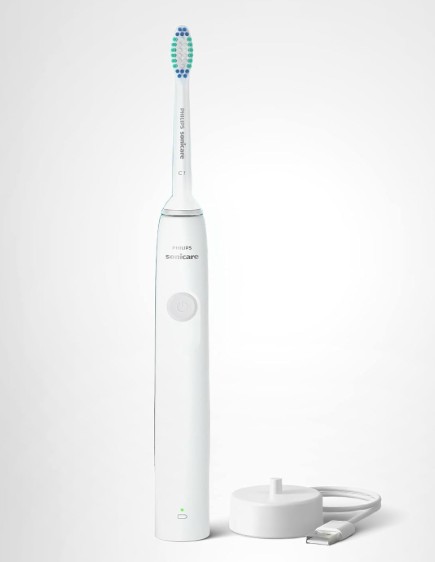
When shopping for an electric toothbrush, it’s easy to assume that all models perform similarly. After all, they share the same brand, use the same sonic technology, and promise cleaner teeth. Yet when we compare the Philips Sonicare 1100 and the Philips Sonicare 4100, significant differences begin to emerge.
The question isn’t simply which toothbrush is better. The real question is whether the additional features of the Sonicare 4100 justify the higher price compared to the more affordable Sonicare 1100.
In this comprehensive guide, we’ll break down every important difference between the Sonicare 1100 and 4100, including cleaning performance, pressure sensors, battery life, brush heads, comfort, value, and overall user experience.
Understanding the Philips Sonicare Lineup
Before diving into the comparison, let’s understand where these toothbrushes fit within the Sonicare family.
The Sonicare 1100 is Philips’ entry-level electric toothbrush. It’s designed for users who want a simple upgrade from manual brushing without paying for advanced features.
The Sonicare 4100 sits several steps higher in the lineup. While still considered affordable, it introduces smarter technology and features aimed at improving brushing habits and protecting teeth and gums.
Think of the 1100 as a reliable compact car and the 4100 as the same vehicle with upgraded safety systems, better comfort, and more convenience.
Sonicare 1100 vs 4100: Quick Comparison Table
| Feature | Sonicare 1100 | Sonicare 4100 |
|---|---|---|
| Sonic Technology | Yes | Yes |
| Brush Strokes Per Minute | 31,000 | 31,000 |
| Cleaning Modes | 1 | 2 |
| Pressure Sensor | No | Yes |
| Intensity Levels | 1 | 2 |
| BrushSync Technology | No | Yes |
| Battery Life | Up to 14 Days | Up to 14 Days |
| Smart Replacement Reminder | No | Yes |
| QuadPacer Timer | Yes | Yes |
| SmartTimer | Yes | Yes |
| Price | Lower | Higher |
| Best For | Budget Buyers | Most Users |
At first glance, they seem similar. However, the extra features on the 4100 can dramatically affect daily brushing habits.
What Both Toothbrushes Have in Common
Before highlighting differences, let’s examine their similarities.
Same Sonic Cleaning Technology
Both toothbrushes use Philips Sonicare’s signature sonic cleaning system.
Each brush produces approximately 31,000 brush strokes per minute, creating fluid movement that helps clean along the gumline and between teeth.
This means that in terms of basic cleaning power, both brushes are highly capable.
Built-In SmartTimer
The SmartTimer encourages users to brush for the dentist-recommended two minutes.
When the timer finishes, the brush automatically stops.
QuadPacer Guidance
Both models divide brushing into four 30-second intervals.
This helps ensure every area of the mouth receives equal attention.
Rechargeable Battery Design
Neither toothbrush requires disposable batteries.
Simply place the handle on the charger when needed.
The Biggest Difference: Pressure Sensor Technology
If there’s one feature that separates the Sonicare 4100 from the 1100, it’s the pressure sensor.
Sonicare 1100 Has No Pressure Sensor
The 1100 relies entirely on user technique.
If you brush too hard, the toothbrush won’t warn you.
Many people unknowingly apply excessive force, which can lead to:
- Gum recession
- Tooth sensitivity
- Enamel wear
- Gum irritation
Sonicare 4100 Includes a Pressure Sensor
The 4100 actively monitors brushing pressure.
When excessive force is detected, the toothbrush reduces vibrations and alerts the user.
This feature acts like a safety net for your oral health.
For people transitioning from manual brushing, the pressure sensor alone may justify upgrading to the 4100.
Cleaning Modes: Simplicity vs Customization
Another major distinction is brushing modes.
Sonicare 1100 Offers One Cleaning Mode
The 1100 focuses on simplicity.
You press the power button and start brushing.
There are no settings to adjust.
For many users, that’s perfectly fine.
Sonicare 4100 Offers Two Intensity Levels
The 4100 allows users to customize brushing intensity.
This can be beneficial for:
- Sensitive gums
- New electric toothbrush users
- Individuals recovering from dental procedures
- People who prefer stronger cleaning
The flexibility improves comfort without sacrificing effectiveness.
BrushSync Technology Explained
One of the smartest features available on the Sonicare 4100 is BrushSync.
What Is BrushSync?
BrushSync tracks brush head usage.
The system monitors:
- Brushing duration
- Pressure applied
- Total usage time
When it’s time to replace the brush head, the toothbrush provides a reminder.
Why It Matters
Many people continue using worn-out brush heads long after their effectiveness declines.
A fresh brush head can significantly improve plaque removal.
The 1100 lacks this feature entirely.
Battery Performance Comparison
Battery life is surprisingly similar between these models.
Sonicare 1100 Battery Life
Under normal usage:
- Up to 14 days
- Rechargeable lithium-ion battery
Sonicare 4100 Battery Life
Also offers:
- Up to 14 days
- Lithium-ion battery
For most households, battery performance is essentially a tie.
Design and Appearance
The differences become more noticeable when holding both brushes.
Sonicare 1100 Design Philosophy
The 1100 prioritizes simplicity.
It has:
- Minimal controls
- Basic indicators
- Lightweight feel
It’s ideal for users who want a straightforward experience.
Sonicare 4100 Design Philosophy
The 4100 feels more refined.
Features include:
- Additional status indicators
- BrushSync notifications
- Enhanced user feedback
The experience feels more premium despite remaining relatively affordable.
Comfort During Daily Brushing
Comfort can influence long-term brushing consistency.
Using the Sonicare 1100
Most users report a pleasant experience.
However, beginners sometimes brush too aggressively because there is no pressure feedback.
Using the Sonicare 4100
The pressure sensor and intensity settings create a gentler learning curve.
Many users find it easier to develop proper brushing habits.
Plaque Removal Performance
This category often surprises shoppers.
Is the 4100 Better at Cleaning?
Not dramatically.
Both brushes use the same sonic motor technology.
Therefore, their core cleaning capabilities are similar.
Why the 4100 Can Produce Better Results
The difference comes from user behavior.
The pressure sensor encourages proper technique.
BrushSync ensures timely brush head replacement.
Multiple intensity levels improve comfort and consistency.
Together, these features can indirectly improve oral health outcomes.
Best Toothbrush for Sensitive Gums
Sensitive gums require a careful balance between cleaning effectiveness and comfort.
Why the 1100 May Be Challenging
Without pressure monitoring, some users unknowingly brush too hard.
This can worsen sensitivity.
Why the 4100 Excels
Its pressure sensor and adjustable intensity levels help minimize irritation.
For gum sensitivity, the 4100 is the safer choice.
Best Toothbrush for First-Time Electric Brush Users
Switching from a manual toothbrush often involves an adjustment period.
Sonicare 1100 for Beginners
Pros:
- Affordable
- Easy to use
- No learning curve
Cons:
- No pressure guidance
Sonicare 4100 for Beginners
Pros:
- Teaches proper brushing pressure
- Adjustable intensity
- Better habit-building tools
For first-time users, the 4100 generally provides a smoother transition.
Value for Money Analysis
Price matters.
The question becomes whether the extra features are worth the difference.
When the Sonicare 1100 Offers Better Value
Choose the 1100 if:
- Budget is your primary concern
- You already brush gently
- You prefer simplicity
- You don’t care about smart features
When the Sonicare 4100 Offers Better Value
Choose the 4100 if:
- You want pressure protection
- You have sensitive gums
- You prefer customization
- You want brush head replacement reminders
For many users, the 4100 delivers more long-term value.
Who Should Buy the Sonicare 1100?
The Sonicare 1100 is ideal for:
Budget-Conscious Shoppers
You receive Sonicare cleaning performance without paying for premium features.
Experienced Sonic Brush Users
If you already know proper brushing technique, the lack of a pressure sensor may not be a major issue.
Minimalists
Some people simply want an on/off toothbrush.
The 1100 delivers exactly that.
Who Should Buy the Sonicare 4100?
The Sonicare 4100 appeals to a broader audience.
People with Sensitive Teeth
Pressure monitoring reduces the risk of aggressive brushing.
Users Seeking Better Oral Care Habits
BrushSync and intensity settings help optimize daily routines.
Families
The safety features can be especially useful when multiple family members use Sonicare handles.
Long-Term Ownership Costs
The cost of ownership extends beyond the initial purchase.
Replacement Brush Heads
Both models use compatible Sonicare brush heads.
Costs remain similar.
Potential Dental Savings
The 4100’s guidance features may help reduce problems associated with aggressive brushing.
While difficult to quantify, healthier brushing habits can potentially save money on future dental treatments.
Real-World User Experience
After months of use, the difference becomes clear.
The Sonicare 1100 feels like a dependable tool.
The Sonicare 4100 feels like a smart assistant helping improve brushing habits.
Neither toothbrush is bad.
One simply provides more coaching along the way.
Sonicare 1100 vs 4100: Side-by-Side Pros and Cons
Sonicare 1100 Pros
- Lower price
- Easy operation
- Same sonic technology
- Lightweight design
- Great entry-level option
Sonicare 1100 Cons
- No pressure sensor
- No BrushSync
- Limited customization
Sonicare 4100 Pros
- Pressure sensor
- BrushSync reminders
- Two intensity levels
- Better gum protection
- Improved user feedback
Sonicare 4100 Cons
- Higher cost
- Slightly more complex
Final Verdict: Difference Between Sonicare 1100 and 4100
When comparing the difference between Sonicare 1100 and 4100, both toothbrushes provide excellent sonic cleaning performance. However, the Sonicare 4100 builds upon that foundation with smarter features that improve brushing habits and protect oral health.
If you’re looking for the most affordable Sonicare experience, the 1100 is a solid choice. It delivers the essential benefits of sonic cleaning without unnecessary extras.
But if your budget allows for a modest upgrade, the Sonicare 4100 is the better overall investment. The pressure sensor, BrushSync technology, and adjustable intensity levels create a more intelligent and user-friendly brushing experience.
In simple terms, the Sonicare 1100 cleans your teeth. The Sonicare 4100 helps you clean them better.
Frequently Asked Questions
1. Is the Sonicare 4100 worth the extra money over the 1100?
Yes. For most users, the pressure sensor and BrushSync technology provide enough value to justify the higher price.
2. Do the Sonicare 1100 and 4100 use the same brush heads?
Yes. Both toothbrushes are compatible with most Philips Sonicare click-on brush heads.
3. Does the Sonicare 1100 clean as well as the 4100?
In terms of raw sonic power, yes. Both use similar sonic cleaning technology. The 4100 simply adds features that help improve brushing habits.
4. Which toothbrush is better for sensitive gums?
The Sonicare 4100 is generally better because it includes pressure monitoring and adjustable intensity settings.
5. How long does the battery last on both models?
Both toothbrushes typically provide up to two weeks of battery life on a full charge.
Conclusion
The difference between Sonicare 1100 and 4100 comes down to simplicity versus smart functionality. The 1100 is a straightforward, budget-friendly toothbrush that delivers effective sonic cleaning. The 4100 enhances that experience with features designed to protect gums, improve brushing habits, and provide greater personalization.
For most buyers, the Sonicare 4100 strikes the best balance between affordability and advanced functionality. However, if you’re focused on value and don’t need extra guidance, the Sonicare 1100 remains an excellent entry-level option.