
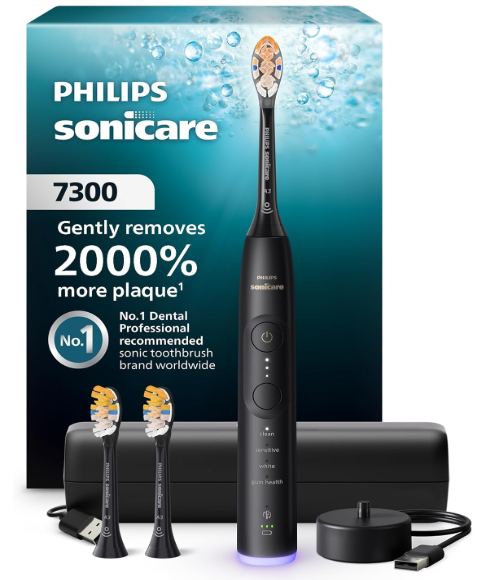
When it comes to premium electric toothbrushes, Philips Sonicare has built a reputation that few brands can match. Their sonic technology, sleek designs, and dentist-recommended cleaning performance have made them a favorite among oral care enthusiasts worldwide.
But what happens when you’re trying to choose between two seemingly similar models?
That’s exactly the dilemma many shoppers face when comparing the Philips Sonicare 7300 vs 6100. At first glance, these toothbrushes appear remarkably alike. Both offer sonic cleaning technology, pressure sensors, multiple brushing modes, and long battery life. Yet beneath the surface, there are notable differences that can influence your daily brushing experience.
So which one deserves a place in your bathroom?
Let’s dive deep into this comprehensive comparison and discover which Sonicare model offers the best value for your needs.
Understanding the Philips Sonicare Lineup
Before comparing the 7300 and 6100 directly, it’s helpful to understand where these toothbrushes fit within the Sonicare family.
Philips structures its toothbrush lineup much like automobile manufacturers organize vehicles. There are entry-level models, mid-range performers, and premium flagship options.
The Sonicare 6100 sits comfortably in the upper mid-range category, while the Sonicare 7300 positions itself slightly higher, offering additional smart features and enhanced personalization.
Think of it as comparing two luxury sedans. Both provide excellent performance, but one includes extra technology designed to elevate the overall experience.
Philips Sonicare 7300 vs 6100: Quick Comparison Table
| Feature | Philips Sonicare 6100 | Philips Sonicare 7300 |
|---|---|---|
| Sonic Vibrations | 62,000 per minute | 62,000 per minute |
| Pressure Sensor | Yes | Yes |
| BrushSync Technology | Yes | Yes |
| Cleaning Modes | 3 | 4 |
| Intensity Levels | 3 | 3 |
| App Connectivity | Limited | Enhanced |
| Battery Life | Up to 3 weeks | Up to 3 weeks |
| Travel Case | Included | Included |
| Charging Method | USB Charging | Premium Charging |
| Premium Features | Moderate | Advanced |
| Price Range | Lower | Higher |
While these specifications look similar, the user experience tells a more detailed story.
Why Sonic Technology Matters
The Science Behind Sonic Cleaning
Unlike traditional electric toothbrushes that rotate or oscillate, Sonicare brushes use high-frequency vibrations.
These vibrations generate dynamic fluid action that helps clean between teeth and along the gumline.
Imagine dropping a pebble into water. The ripples extend far beyond the point of impact. Sonic technology works similarly, creating cleaning action even in areas where the bristles don’t directly touch.
This technology is available on both the 6100 and 7300.
As a result, neither model has a significant advantage when it comes to core cleaning performance.
Design and Build Quality Comparison
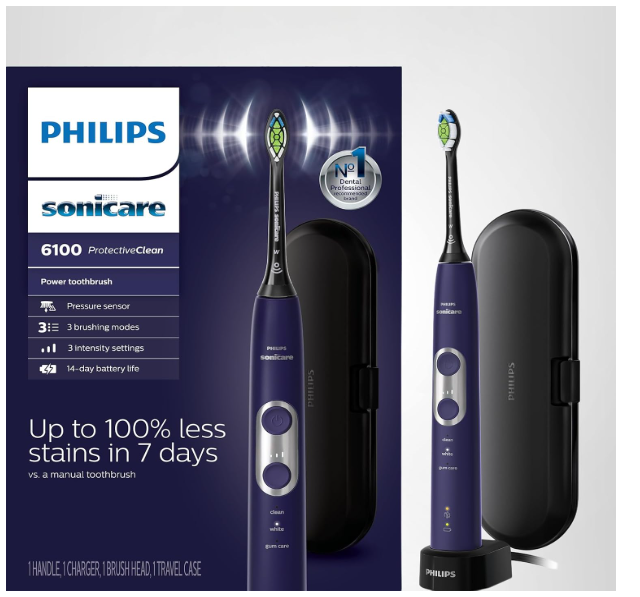
Philips Sonicare 6100 Design
The Sonicare 6100 features a clean and minimalist appearance.
Its ergonomic handle feels comfortable during extended brushing sessions, and the matte finish helps maintain grip even when wet.
Key design highlights include:
- Lightweight construction
- Elegant finish
- Easy-to-read indicators
- Comfortable grip
The design prioritizes simplicity without sacrificing sophistication.
Philips Sonicare 7300 Design
The 7300 takes refinement a step further.
While maintaining the familiar Sonicare silhouette, it introduces more premium accents and a slightly more polished aesthetic.
Many users describe the 7300 as feeling more luxurious in hand.
It’s the kind of difference you notice every day rather than immediately.
Cleaning Performance: Is There a Winner?
Plaque Removal Effectiveness
Both toothbrushes utilize Sonicare’s proven cleaning technology.
Clinical studies consistently demonstrate that Sonicare brushes remove significantly more plaque than manual toothbrushes.
When comparing the 7300 and 6100 specifically:
- Plaque removal is extremely similar
- Gum health improvements are comparable
- Daily cleaning results remain excellent
For most users, neither brush will dramatically outperform the other in terms of basic cleaning effectiveness.
That’s actually good news.
It means you’re getting outstanding oral care regardless of which model you choose.
Brushing Modes Explained
Modes Available on the Sonicare 6100
The 6100 includes several essential brushing modes designed to address common oral care needs.
Clean Mode
This is your everyday brushing mode.
It focuses on comprehensive plaque removal and overall oral hygiene.
White Mode
Designed to help remove surface stains and improve tooth brightness.
Gum Care Mode
Provides a gentler experience while stimulating and supporting gum health.
These modes cover the needs of most users.
Modes Available on the Sonicare 7300
The 7300 builds upon the foundation of the 6100.
Clean Mode
Ideal for daily plaque removal.
White Mode
Targets stains from coffee, tea, and other common sources.
Gum Health Mode
Enhances gum stimulation and promotes healthier gums.
Deep Clean Mode
This additional mode distinguishes the 7300 from the 6100.
Deep Clean mode increases brushing intensity and duration for a more thorough cleaning experience.
For users seeking maximum plaque removal, this extra mode can be appealing.
Intensity Settings Comparison
Customization Matters
Not everyone likes the same brushing intensity.
Some users prefer powerful cleaning action, while others have sensitive teeth and gums.
Fortunately, both models offer:
- Low intensity
- Medium intensity
- High intensity
This flexibility allows users to personalize their brushing experience.
It’s similar to adjusting the seat position in a car. Once you find your ideal setting, every drive becomes more comfortable.
Pressure Sensor Technology
Protecting Your Teeth and Gums
One of the most important innovations in modern electric toothbrushes is the pressure sensor.
Many people mistakenly believe brushing harder results in cleaner teeth.
In reality, excessive pressure can damage enamel and irritate gums.
Both the Sonicare 6100 and 7300 feature pressure sensing technology that alerts users when they’re brushing too aggressively.
Benefits include:
- Reduced gum recession risk
- Better brushing habits
- Enhanced long-term oral health
- Protection of sensitive areas
This feature alone can significantly improve brushing technique over time.
BrushSync Technology: Smarter Brushing
What Is BrushSync?
BrushSync is one of Philips Sonicare’s most practical innovations.
The system tracks brush head usage and notifies users when replacement is needed.
Many people keep brush heads far longer than recommended.
Worn bristles lose effectiveness and can compromise cleaning performance.
BrushSync helps eliminate the guesswork.
Both the 6100 and 7300 include this useful technology.
Smart Features and Connectivity
Sonicare 6100 Smart Functions
The 6100 incorporates essential smart functionality without overwhelming users.
Features include:
- Brush head recognition
- Usage tracking
- Pressure monitoring
- Replacement reminders
These capabilities help improve brushing habits without requiring constant app interaction.
Sonicare 7300 Advanced Features
The 7300 expands the smart experience.
Additional technology provides more detailed insights into brushing behavior and performance.
Users who enjoy tracking progress and optimizing routines may appreciate these enhancements.
The difference resembles comparing a fitness tracker with a full-featured smartwatch.
Both monitor activity, but one delivers deeper insights.
Battery Life and Charging
How Long Does the Battery Last?
Battery life is one area where both brushes perform exceptionally well.
Typical performance includes:
- Up to three weeks on a single charge
- Reliable lithium-ion battery
- Consistent power output
This means less time charging and more time brushing.
Whether you’re at home or traveling, battery anxiety is unlikely to become an issue.
Travel Convenience
Both models are excellent travel companions.
Benefits include:
- Long battery endurance
- Compact charging systems
- Durable travel cases
- Worldwide voltage compatibility
Frequent travelers will appreciate these practical features.
Noise Levels During Brushing
Are They Loud?
Neither brush is particularly noisy.
Both generate a gentle humming sound typical of sonic toothbrushes.
Compared with some oscillating-rotating brushes, Sonicare models often feel smoother and quieter.
The brushing experience is more like a steady vibration than a mechanical scrubbing sensation.
Replacement Brush Head Compatibility
Shared Compatibility Advantages
One major advantage of staying within the Sonicare ecosystem is broad brush head compatibility.
Popular options include:
- Premium Plaque Control
- Premium Gum Care
- Premium White
- Sensitive Brush Heads
Both the 6100 and 7300 support these brush head options.
This allows users to tailor the toothbrush to changing oral health needs.
Durability and Long-Term Reliability
Which Model Lasts Longer?
Philips Sonicare toothbrushes generally have strong reliability records.
Both models feature:
- Quality internal components
- Water-resistant construction
- Durable motors
- Long-lasting batteries
Under normal usage, either brush should provide years of dependable service.
Proper maintenance plays a larger role in longevity than the specific model chosen.
Who Should Buy the Philips Sonicare 6100?
Best for Value-Conscious Buyers
The Sonicare 6100 is ideal if you:
- Want premium Sonicare performance
- Prefer a lower price point
- Don’t need extensive smart features
- Value simplicity
- Want excellent plaque removal
For many households, the 6100 hits the sweet spot between features and affordability.
It’s like purchasing a well-equipped vehicle without paying for luxury extras you may never use.

- Gentle whitening and efficient oral care: Philips Sonicare ProtectiveClean 6100 improves gum health in only 2 weeks and …
- Smart brushing: a pressure sensor that automatically detects pressure you apply, warns you, and reduces the toothbrush v…
- Personalized oral care: Clean mode for superior cleaning, White mode to remove surface stains, and Gum Care mode to gent…
Who Should Buy the Philips Sonicare 7300?
Best for Feature Enthusiasts
The Sonicare 7300 is perfect if you:
- Enjoy advanced technology
- Want more brushing modes
- Appreciate additional customization
- Like tracking oral care habits
- Prefer premium experiences
If you’re the type of person who explores every feature on a new gadget, the 7300 will likely feel more satisfying.

- Gum Health and Plaque Removal: The A3 Premium All-in-One brush head featuring longer, angled bristles with triangular ti…
- Next-Generation Sonicare Technology: Delivers 62,000 bristle movements per minute with zero drop in performance, even in…
- Visual Pressure Sensor: A light ring at the base alerts you when you’re pressing too hard; simply ease off when it light…
Price vs Value Analysis
Is the 7300 Worth the Extra Money?
This is arguably the most important question.
The answer depends on what you value.
If your goal is simply cleaner teeth and healthier gums, the 6100 delivers exceptional performance.
However, if you enjoy enhanced personalization, additional brushing modes, and advanced smart features, the 7300 may justify its higher cost.
The cleaning difference is modest.
The feature difference is more noticeable.
Pros and Cons of Philips Sonicare 6100
Pros
- Excellent cleaning performance
- Multiple brushing modes
- Pressure sensor
- BrushSync technology
- Strong battery life
- Better value proposition
Cons
- Fewer premium features
- Less advanced connectivity
- Fewer customization options
Pros and Cons of Philips Sonicare 7300
Pros
- Additional Deep Clean mode
- Enhanced smart features
- Premium feel
- Excellent cleaning capability
- Strong battery performance
- Greater personalization
Cons
- Higher purchase price
- Additional features may be unnecessary for some users
Final Verdict: Philips Sonicare 7300 vs 6100
Choosing between the Philips Sonicare 7300 and 6100 is less about cleaning power and more about lifestyle preferences.
Both toothbrushes provide exceptional plaque removal, impressive gum care, long battery life, and reliable Sonicare technology. They share many core features that make Philips one of the most respected names in oral care.
For most users, the Philips Sonicare 6100 represents the better value. It delivers nearly identical cleaning performance while keeping costs lower.
However, if you appreciate advanced features, deeper customization, and a more premium user experience, the Philips Sonicare 7300 becomes an attractive upgrade.
In simple terms:
- Choose the 6100 for maximum value.
- Choose the 7300 for maximum features.
Either way, you’re investing in healthier teeth, healthier gums, and a brighter smile.
Frequently Asked Questions
FAQ 1: Is the Philips Sonicare 7300 better than the 6100?
The 7300 offers additional features and a Deep Clean mode, but cleaning performance is very similar. The better choice depends on your priorities and budget.
FAQ 2: Does the Sonicare 6100 have a pressure sensor?
Yes. The Sonicare 6100 includes pressure sensing technology to help prevent overbrushing.
FAQ 3: How long does the battery last on both models?
Both toothbrushes typically provide up to three weeks of use on a single charge.
FAQ 4: Can both toothbrushes use the same brush heads?
Yes. The Sonicare 6100 and 7300 are compatible with most Philips Sonicare snap-on brush heads.
FAQ 5: Which Sonicare model offers better value?
Most users will find the Sonicare 6100 offers better overall value because it provides premium cleaning performance at a lower price.