
Introduction
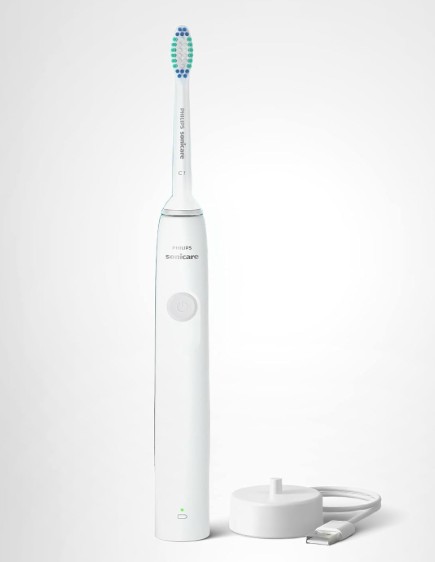
Choosing between the Philips Sonicare 1100 and Philips Sonicare 3100 may seem simple at first. Both toothbrushes come from the trusted Sonicare lineup, share the same sonic cleaning technology, and feature a minimalist design. However, once we look beneath the surface, important differences emerge that can significantly impact your daily brushing experience.
The Sonicare 1100 is designed for people seeking an affordable entry into the world of electric toothbrushes. The Sonicare 3100 builds on that foundation by adding features that help improve brushing habits and protect oral health over time.
So which model deserves your money?
In this detailed comparison, we’ll explore every aspect of these two toothbrushes, including cleaning performance, pressure sensors, battery life, design, value for money, and long-term ownership costs. By the end, you’ll know exactly which Sonicare model fits your needs and budget.
Understanding Where These Models Fit in the Sonicare Range
Philips offers a wide range of electric toothbrushes, from basic entry-level models to advanced smart brushes packed with premium features.
The Sonicare 1100 sits near the bottom of the lineup. It focuses on delivering excellent cleaning performance without adding expensive extras.
The Sonicare 3100 occupies the next step up. It keeps the simplicity that many users love while introducing a few smart features that enhance daily brushing.
Think of the 1100 as a reliable economy car. It gets the job done efficiently. The 3100 is the same vehicle with additional safety and convenience features that make everyday use more enjoyable.
Both are effective, but one provides a slightly more refined experience.
Quick Comparison Overview
| Feature | Sonicare 1100 | Sonicare 3100 |
|---|---|---|
| Sonic Cleaning Technology | Yes | Yes |
| Brush Strokes Per Minute | 31,000 | 31,000 |
| Pressure Sensor | No | Yes |
| BrushSync Reminder | No | Yes |
| SmartTimer | Yes | Yes |
| QuadPacer | Yes | Yes |
| Battery Life | Up to 14 Days | Up to 14 Days |
| Cleaning Modes | 1 | 1 |
| USB Charging | Yes | Yes |
| Best For | Budget Buyers | Most Users |
Although the specification sheet looks similar, the added technology in the 3100 can make a noticeable difference during everyday use.
Design and Appearance
At first glance, the two toothbrushes look almost identical.
Philips has adopted a clean and modern design philosophy that emphasizes simplicity. Both brushes feature slim handles, smooth surfaces, and a comfortable grip that feels natural in the hand.
Unlike some premium electric toothbrushes that include screens and multiple buttons, the 1100 and 3100 remain refreshingly straightforward.
The single-button design makes operation effortless. Press once to start brushing and again to stop.
For users who dislike overly complicated gadgets, this simplicity is a major advantage.
Build Quality and Ergonomics
Both toothbrushes feel sturdy and well-made.
The lightweight construction helps reduce hand fatigue during brushing sessions, while the slim handle allows easy access to hard-to-reach areas in the mouth.
The balance is excellent, making both brushes comfortable for adults and older children alike.
Philips has clearly focused on creating products that feel intuitive from the very first use.
Cleaning Performance: Is There Any Difference?
This is the question most buyers ask.
Surprisingly, there is almost no difference in pure cleaning performance between the Sonicare 1100 and Sonicare 3100.
Both toothbrushes utilize Philips Sonicare’s signature sonic technology and generate approximately 31,000 brush strokes per minute.
That means both brushes:
- Remove plaque effectively
- Clean along the gumline
- Help improve gum health
- Deliver a superior clean compared to manual brushing
If we measured plaque removal in ideal conditions, the results would likely be extremely similar.
From a cleaning standpoint, these toothbrushes are essentially equals.
How Sonic Technology Cleans Your Teeth
Sonic toothbrushes work differently from traditional rotating brushes.
Instead of spinning, the brush head vibrates at very high frequencies. These rapid movements create dynamic fluid action that helps move water and toothpaste into areas beyond where the bristles physically touch.
Imagine dropping a stone into a pond.
The ripples spread outward beyond the point of impact.
Sonic cleaning works in a similar way, extending the cleaning action into tight spaces between teeth and along the gumline.
This technology is one of the main reasons Sonicare toothbrushes have become so popular worldwide.
The Pressure Sensor: The Feature That Changes Everything
The biggest difference between the two brushes is the pressure sensor.
Many people unknowingly brush too hard.
They assume more pressure means cleaner teeth.
In reality, brushing aggressively can lead to:
- Gum recession
- Tooth sensitivity
- Enamel wear
- Long-term oral health issues
The Sonicare 3100 includes a pressure sensor that detects excessive force.
When too much pressure is applied, the brush alerts the user through changes in vibration patterns.
This immediate feedback encourages gentler brushing habits.
The Sonicare 1100 does not include this feature.
As a result, users receive no warning if they are brushing too aggressively.
Why the Pressure Sensor Matters More Than You Think
Many dentists report that overbrushing is surprisingly common.
People often spend years unknowingly damaging their gums because they believe harder brushing equals better cleaning.
The pressure sensor acts like a personal coach.
It gently reminds users to let the brush do the work rather than relying on excessive force.
Over time, this feature can help protect both teeth and gums.
For many people, this single upgrade justifies choosing the Sonicare 3100.
BrushSync Technology Explained
Another notable difference is BrushSync compatibility.
Brush heads wear down gradually. As they wear, cleaning effectiveness decreases.
Most people replace brush heads too late because they simply forget.
The Sonicare 3100 solves this problem using BrushSync technology.
The toothbrush tracks brushing behavior and usage patterns. When the brush head reaches the end of its effective lifespan, the handle provides a reminder.
This helps ensure optimal cleaning performance throughout ownership.
The Sonicare 1100 lacks BrushSync functionality, meaning replacement schedules rely entirely on the user’s memory.
Brushing Modes and Settings
Unlike premium electric toothbrushes that offer multiple cleaning modes, both the 1100 and 3100 keep things simple.
Users receive:
- One cleaning mode
- One intensity level
- One-button operation
Some shoppers may see this as a limitation.
Others see it as a benefit.
Rather than cycling through multiple settings every morning, users can simply turn on the brush and begin cleaning.
For many households, simplicity is a feature rather than a drawback.
SmartTimer and QuadPacer Features
Both toothbrushes include two important timing features.
The SmartTimer automatically encourages the dentist-recommended brushing time of two minutes.
The QuadPacer divides brushing into four 30-second intervals.
Every thirty seconds, the brush briefly pauses to signal that it’s time to move to another section of the mouth.
These features help create more consistent brushing habits and ensure that all areas receive equal attention.
Battery Life Comparison
Battery life is another area where the two brushes perform almost identically.
Both models typically provide:
- Up to 14 days of use
- Two brushing sessions per day
- Consistent cleaning power throughout the charge cycle
This level of battery performance makes both brushes excellent travel companions.
Most users can leave the charger at home during weekend trips and even longer vacations.
Charging Convenience
Both models use USB charging systems that simplify recharging.
Compared to older electric toothbrushes that required bulky charging bases, the modern charging setup feels more practical and travel-friendly.
The charging process is straightforward, and both brushes reach full charge within a reasonable timeframe.
Noise and Comfort During Use
Neither toothbrush is completely silent.
However, both produce the familiar Sonicare humming sound rather than the louder mechanical noises often associated with rotating electric toothbrushes.
Most users adapt quickly to the sound.
The vibration feels smooth rather than harsh, creating a comfortable brushing experience.
Replacement Brush Head Compatibility
One major advantage of both models is compatibility with a wide variety of Sonicare brush heads.
Compatible options include:
- C1 ProResults
- C2 Optimal Plaque Control
- G2 Optimal Gum Care
- W Optimal White
This flexibility allows users to customize their brushing experience based on personal oral care goals.
Whether you prioritize plaque removal, gum health, or whitening, there is likely a compatible brush head available.
Long-Term Ownership Costs
When evaluating electric toothbrushes, it’s important to consider ongoing expenses.
The toothbrush itself is only part of the investment.
Replacement brush heads represent the primary long-term cost.
Since both models use the same brush heads, ownership costs remain largely identical after purchase.
The only significant price difference is the initial cost of the handle.
Durability and Reliability
Philips has built a strong reputation for producing durable oral care products.
Both the Sonicare 1100 and 3100 are designed to withstand years of daily use.
Key durability strengths include:
- Water-resistant construction
- Reliable motors
- Long-lasting batteries
- Durable charging systems
With proper maintenance, either toothbrush should provide excellent service for many years.
Who Should Choose the Sonicare 1100?
The Sonicare 1100 is ideal for buyers who want strong cleaning performance at the lowest possible price.
It is particularly suitable for:
- First-time electric toothbrush users
- Students
- Budget-conscious households
- Users who prefer simplicity
- People who already brush with proper technique
The 1100 focuses on delivering the essentials without unnecessary extras.
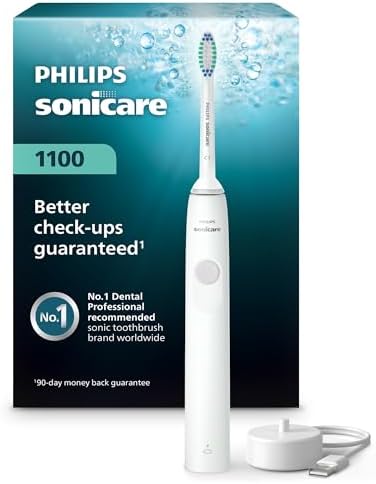
- The C1 Simply Clean brush head with soft, flexible bristles removes more plaque than a manual toothbrush while protectin…
- Electric toothbrush for adults providing gentle yet effective cleaning: the Advanced Sonic Technology pulses fluid betwe…
- Optimize your routine: EasyStart for a gradual, gentle increase in brushing power, SmarTimer informing when you’ve reach…
Who Should Choose the Sonicare 3100?
The Sonicare 3100 is the better choice for most people.
It is especially valuable for users who:
- Tend to brush too hard
- Want extra gum protection
- Appreciate replacement reminders
- Plan to use the toothbrush long term
- Want added features without paying premium prices
The combination of a pressure sensor and BrushSync technology creates a more supportive brushing experience.
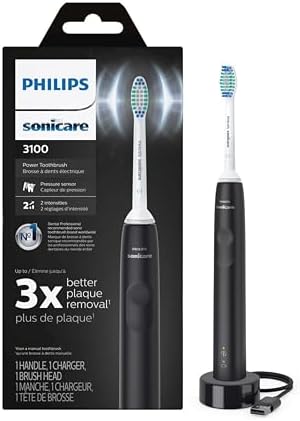
- Improves gum health up to 100% better than a manual toothbrush
- Removes up to 6x more plaque along the gumline vs. a manual toothbrush
- Three intensity settings for a gentle and comfortable brushing experience
Pros and Cons of the Sonicare 1100
Advantages
- Affordable price
- Excellent cleaning performance
- Lightweight design
- Easy operation
- Strong battery life
Disadvantages
- No pressure sensor
- No BrushSync reminders
- Limited advanced features
Pros and Cons of the Sonicare 3100
Advantages
- Pressure sensor included
- BrushSync technology
- Excellent cleaning power
- Long battery life
- Better long-term value
Disadvantages
- Higher purchase price
- Only one cleaning mode
Philips Sonicare 1100 vs 3100: Which One Wins?
When comparing cleaning power alone, the Sonicare 1100 and Sonicare 3100 are essentially tied.
Both deliver outstanding sonic cleaning performance that significantly exceeds what most manual toothbrushes can achieve.
However, the Sonicare 3100 earns the overall victory because of its smart features.
The pressure sensor helps protect gums and enamel, while BrushSync reminders ensure users replace brush heads at the appropriate time.
These additions may seem minor on paper, but they can make a meaningful difference over years of daily use.
If your budget is tight, the Sonicare 1100 remains an excellent purchase and one of the best entry-level electric toothbrushes available.
If you can spend a little more, the Sonicare 3100 offers the better overall value and is the model most users should choose.
Conclusion
The Philips Sonicare 1100 and Philips Sonicare 3100 share the same foundation of powerful sonic cleaning, excellent battery life, and user-friendly design. Both are capable of improving oral hygiene and helping users maintain healthier teeth and gums.
The key distinction lies in the additional technology found in the 3100. Features like the pressure sensor and BrushSync reminders provide practical benefits that support better brushing habits and long-term oral health.
For budget-conscious shoppers, the Sonicare 1100 remains a fantastic option. For everyone else, the Sonicare 3100 represents the smarter investment and delivers the strongest combination of performance, protection, and value.
Frequently Asked Questions
1. Does the Sonicare 3100 remove more plaque than the 1100?
No. Both models use the same sonic cleaning technology and provide very similar plaque-removal performance.
2. Is the pressure sensor really useful?
Yes. It helps prevent overbrushing, which can damage gums and enamel over time.
3. Can both toothbrushes use the same replacement heads?
Yes. Both models are compatible with many Philips Sonicare brush heads.
4. How long does the battery last on each model?
Both toothbrushes typically provide up to 14 days of use on a full charge.
5. Which model offers the best value for money?
The Sonicare 1100 offers the best budget value, while the Sonicare 3100 provides the best overall value thanks to its additional protective features.