
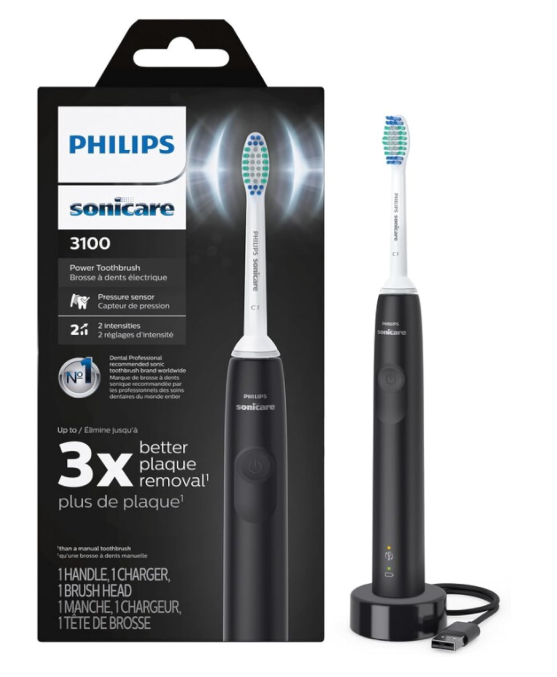
When we shop for an electric toothbrush today, it almost feels like choosing between two luxury sports cars. On one side, we have the sleek sonic power of the Philips Sonicare 4100. On the other, the intelligent rotating technology of the Oral-B iO3. Both promise cleaner teeth, healthier gums, and a brighter smile. But here’s the real question: which one actually deserves a place on our bathroom counter?
The battle between Philips Sonicare and Oral-B has become the toothbrush equivalent of Android vs iPhone. Loyal fans swear by their favorite brand. Dentists recommend both. Reviews are scattered everywhere. Yet very few articles genuinely explain the day-to-day experience of using these brushes.
That changes here.
We’re diving deep into design, cleaning technology, comfort, battery life, brush heads, smart features, value, and real-world usability. By the end, we’ll know exactly which toothbrush fits different lifestyles, budgets, and brushing habits.
Why This Comparison Matters
Electric toothbrushes are no longer niche gadgets. They’ve become everyday essentials.
A good toothbrush can help us:
- Reduce plaque buildup
- Improve gum health
- Remove surface stains
- Encourage better brushing habits
- Make brushing feel less like a chore
The challenge is that modern electric toothbrushes are packed with marketing buzzwords. Sonic cleaning. Oscillating technology. Pressure sensors. Smart timers. Magnetic drives.
It’s easy to get lost.
The Philips Sonicare 4100 and Oral-B iO3 sit in a particularly interesting spot because both are considered mid-range options. They aren’t ultra-cheap starter brushes, but they’re not outrageously expensive flagship models either.
That makes them direct competitors.
Meet the Philips Sonicare 4100

The Philips Sonicare 4100 is designed around sonic vibration technology. Instead of spinning like traditional Oral-B brushes, it vibrates at extremely high frequencies.
Philips claims the brush delivers tens of thousands of brush strokes per minute, creating fluid motion that helps clean between teeth and along the gumline.
The Sonicare 4100 focuses on simplicity:
- One cleaning mode
- Pressure sensor
- QuadPacer timer
- Long battery life
- Slim minimalist design
It’s basically the toothbrush equivalent of a clean Scandinavian apartment: elegant, practical, and uncluttered.
Meet the Oral-B iO3
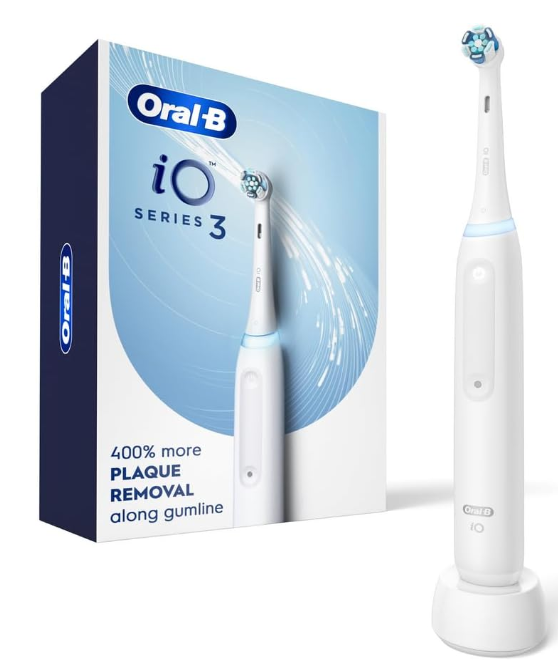
The Oral-B iO3 takes a different path.
Instead of sonic vibrations, it uses oscillating-rotating cleaning combined with micro-vibrations. The small round head rotates back and forth while vibrating gently.
Oral-B’s philosophy is straightforward: mimic professional dental tools.
The iO3 includes:
- Three cleaning modes
- Smart pressure sensor
- Magnetic drive system
- Round brush head
- Interactive brushing feedback
Compared to the Sonicare 4100, the iO3 feels more tech-focused and dynamic.
Design and First Impressions
Philips Sonicare 4100 Design
The Sonicare 4100 looks modern without trying too hard.
Its slim handle feels lightweight and balanced. The matte finish gives it a premium touch, and the brush head shape resembles a traditional manual toothbrush.
This matters more than we think.
For many users, switching from manual brushing becomes easier because the Sonicare feels familiar.
The handle is also quieter and less aggressive in appearance.
Oral-B iO3 Design
The iO3 looks futuristic.
The circular brush head immediately stands out, almost like a dentist’s professional polishing tool. The handle is thicker than the Sonicare and feels more substantial in the hand.
Some people love that high-tech aesthetic.
Others may find it slightly bulky.
The LED pressure indicators and mode buttons make the iO3 feel more interactive, almost like a smart gadget instead of a toothbrush.
Cleaning Technology Explained
How Sonicare Sonic Technology Works
The Sonicare 4100 uses high-frequency vibrations.
f(x)=31000 brush strokes per minute
These vibrations create fluid dynamics that push toothpaste and water between teeth and beneath the gumline.
Instead of scrubbing aggressively, the brush glides across teeth.
The sensation is unique. During the first few uses, it almost feels like your mouth is being tickled by a tiny jet engine.
But once we adapt, it becomes surprisingly comfortable.
How Oral-B iO Technology Works
The Oral-B iO3 combines oscillation with micro-vibrations.
y=oscillation+micro-vibration
The small round head physically rotates around each tooth.
This approach creates a more direct scrubbing sensation. It feels more mechanical and intentional, like polishing each tooth individually.
Some users describe it as a “dentist-clean” feeling.
Others find it slightly intense at first.
Which Cleans Better?
This is the big one.
Truthfully, both toothbrushes clean extremely well.
But they clean differently.
Sonicare 4100 Cleaning Experience
The Sonicare excels at:
- Gentle gum cleaning
- Reaching tight spaces
- Smooth brushing feel
- Comfortable daily use
It’s particularly good for sensitive gums.
The vibrations distribute toothpaste effectively, creating a “whole-mouth clean” sensation.
Oral-B iO3 Cleaning Experience
The iO3 excels at:
- Plaque removal
- Individual tooth polishing
- Precision cleaning
- Removing surface buildup
The rotating head creates a more focused clean.
After brushing, teeth often feel incredibly smooth, almost glassy.
Comfort During Brushing
Philips Sonicare 4100 Comfort
The Sonicare is softer and more forgiving.
The elongated brush head spreads pressure across a larger area, making it easier on gums.
If we tend to brush aggressively, the Sonicare feels safer.
It’s the toothbrush equivalent of driving a luxury sedan over smooth pavement.
Oral-B iO3 Comfort
The iO3 feels more energetic.
The rotating motion is noticeable, especially during the first week.
Some users absolutely love the deep-clean sensation. Others may need time to adjust.
It’s more like driving a sporty hatchback with stiff suspension. Responsive, precise, but not always gentle.
Pressure Sensors Compared
Pressure sensors are incredibly important.
Brushing too hard can damage enamel and irritate gums.
Sonicare 4100 Pressure Sensor
The Sonicare 4100 vibrates differently when excess pressure is detected.
It subtly changes brushing intensity.
Simple. Quiet. Effective.
Oral-B iO3 Pressure Sensor
The iO3 uses visual light indicators.
Green means ideal pressure.
Red means too hard.
This feedback feels more interactive and easier to notice immediately.
For users learning better brushing habits, Oral-B may have the advantage here.
Battery Life Battle
Philips Sonicare 4100 Battery
Battery life is one of the Sonicare’s strongest advantages.
A full charge can often last around two weeks or more with regular use.
That’s fantastic for travelers or anyone who hates charging devices constantly.
Oral-B iO3 Battery
The iO3 generally lasts around one to two weeks depending on usage and modes.
It’s respectable, but not class-leading.
The magnetic charging system is sleek, though.
Noise Levels
Sonicare 4100 Noise
The Sonicare creates a smooth humming sound.
It’s quieter and less mechanical.
If we brush early in the morning while others sleep, this matters.
Oral-B iO3 Noise
The iO3 is quieter than older Oral-B brushes but still produces a more mechanical sound.
The rotating action creates a distinct buzzing noise.
Not loud, but definitely more noticeable.
Brush Heads and Replacement Costs


Brush head cost becomes important over time.
A cheap toothbrush with expensive replacement heads can quietly drain our wallet.
Sonicare Brush Heads
Philips offers several compatible heads:
- C2 Optimal Plaque Control
- G2 Gum Care
- W DiamondClean
These heads tend to be widely available.
Third-party options also exist.
Oral-B iO Brush Heads
Oral-B iO heads are more specialized.
The round design is effective, but replacement heads can be pricier.
Additionally, standard Oral-B heads do not fit iO handles.
That ecosystem lock-in matters.
Travel Friendliness
Why the Sonicare Travels Better
The Sonicare 4100 wins for portability.
Reasons include:
- Slimmer handle
- Longer battery life
- Lightweight design
- Simpler charger
It slips into a toiletry bag effortlessly.
When the iO3 Still Works Well for Travel
The iO3 remains travel-friendly, but slightly bulkier.
If we prioritize premium brushing over minimal packing, it’s still a solid travel companion.
Smart Features and Modes
Sonicare 4100 Features
The Sonicare keeps things intentionally simple:
- Two intensity levels
- QuadPacer
- SmartTimer
- Pressure sensor
That’s it.
Honestly? Many users appreciate that simplicity.
No unnecessary distractions.
Oral-B iO3 Features
The iO3 adds:
- Multiple cleaning modes
- Interactive pressure feedback
- Magnetic drive system
- Enhanced brushing customization
It feels smarter overall.
If we enjoy tech-focused products, the iO3 feels more exciting.
Who Should Choose the Sonicare 4100?
The Sonicare 4100 is ideal for people who:
- Have sensitive gums
- Prefer gentle brushing
- Want long battery life
- Like minimalist products
- Travel frequently
- Dislike noisy gadgets
It’s simple but refined.
There’s something refreshing about a toothbrush that doesn’t try to become a smartphone.
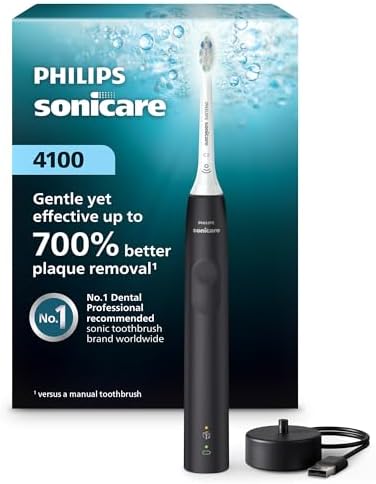
- The C2 Optimal Plaque brush head with soft, flexible, stain-removal bristles helps whiten and polish your teeth; it also…
- Electric toothbrush for adults providing gentle yet effective cleaning: the Advanced Sonic Technology pulses fluid betwe…
- Safe and gentle electric toothbrush with pressure sensor: if you apply too much pressure, the handle will pulse slightly…
Who Should Choose the Oral-B iO3?
The Oral-B iO3 is ideal for users who:
- Want maximum plaque removal
- Prefer dentist-style cleaning
- Enjoy interactive feedback
- Like circular brush heads
- Want more brushing modes
- Prefer a more powerful sensation
It’s energetic, modern, and precise.
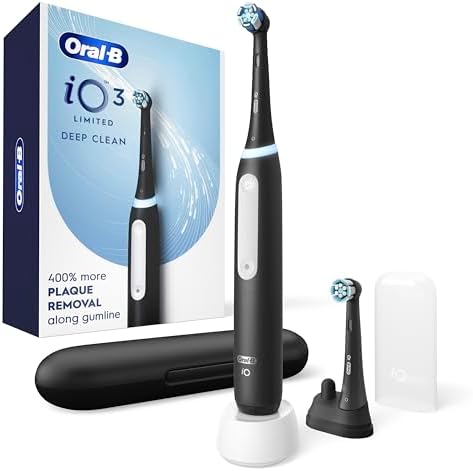
- #1 Dentist recommended oral b io: This Oral-B Braun electric toothbrush delivers smooth spinning brush motion with gentl…
- Intelligent gum protection: Achieve healthier gums in just 1 week; the smart iO sensor alerts you if you press too hard,…
- Personalized Brushing Experience: Choose from three distinct cleaning modes—Daily Clean, Sensitive, and Whitening; round…
Plaque Removal Comparison
Research generally shows oscillating-rotating brushes can have a slight edge in plaque removal.
That’s where the iO3 shines.
However, the difference isn’t massive in real-world use.
Technique matters more than brand.
A properly used Sonicare often outperforms a poorly used Oral-B.
Consistency beats technology every time.
Gum Health Comparison
The Sonicare 4100 often feels superior for gum comfort.
The gentler sonic movement reduces irritation while still cleaning effectively.
For users with:
- Gum recession
- Bleeding gums
- Sensitivity
- Orthodontic work
The Sonicare may feel more comfortable long-term.
Learning Curve and Adjustment Period
Adapting to Sonicare
The first Sonicare experience can feel unusual.
The vibrations may tickle lips and gums initially.
Most users adapt within a week.
Adapting to the iO3
The iO3’s rotating action feels more aggressive.
Some people love it instantly.
Others need several days before it feels natural.
Value for Money
Sonicare 4100 Value
The Sonicare 4100 delivers excellent essentials without unnecessary extras.
We pay for performance, not gimmicks.
That balance makes it one of the strongest value electric toothbrushes available.
Oral-B iO3 Value
The iO3 feels more premium and technologically advanced.
However, replacement costs can rise faster over time.
Still, many users happily pay extra for the superior brushing feedback.
Real-World Daily Experience
This is where things become personal.
After months of use:
- The Sonicare fades into the background quietly and reliably
- The iO3 continues to feel dynamic and engaging
Some people want brushing to feel calm and effortless.
Others want that “fresh-from-the-dentist” sensation every morning.
Neither preference is wrong.
Which Toothbrush Lasts Longer?
Both brands have strong reputations.
However:
- Sonicare handles tend to age gracefully
- Oral-B iO models contain more advanced internal components
More technology can sometimes mean more maintenance risk over many years.
That said, both brushes generally provide reliable performance when cared for properly.
The Biggest Difference Nobody Talks About
The biggest difference isn’t battery life.
It isn’t pressure sensors.
It isn’t even cleaning technology.
It’s brushing personality.
The Sonicare feels elegant and subtle.
The Oral-B iO3 feels energetic and clinical.
One whispers.
The other announces itself.
That emotional difference shapes the ownership experience more than specs ever will.
Final Verdict: Philips Sonicare 4100 vs Oral-B iO3
So which one wins?
The answer depends on what we value most.
Choose the Philips Sonicare 4100 If:
- We want gentler brushing
- Battery life matters
- We prefer simplicity
- We have sensitive gums
- We travel often
- We like minimalist design
Choose the Oral-B iO3 If:
- We prioritize plaque removal
- We enjoy smart feedback
- We want a more powerful clean
- We like round brush heads
- We prefer a dentist-style brushing experience
If we had to crown an all-around winner for comfort and daily practicality, the Sonicare 4100 slightly edges ahead.
But for users chasing the most intense professional-clean feeling possible, the iO3 remains incredibly compelling.
In the end, both brushes are miles ahead of manual brushing. Choosing either one is like upgrading from a bicycle to a high-performance vehicle. The destination remains the same: healthier teeth and happier gums.
The difference lies in how we want the ride to feel.
FAQs
Is the Philips Sonicare 4100 better for sensitive teeth?
Yes. The Sonicare 4100 generally feels gentler due to its sonic vibration technology and elongated brush head design.
Does the Oral-B iO3 remove more plaque?
Many users feel the iO3 removes plaque more aggressively thanks to its oscillating-rotating action and round brush head.
Which toothbrush is quieter?
The Philips Sonicare 4100 is noticeably quieter and produces a smoother humming sound.
Are Oral-B iO brush heads expensive?
Yes, iO replacement heads are often more expensive than standard electric toothbrush heads.
Which toothbrush has better battery life?
The Philips Sonicare 4100 usually lasts longer on a single charge, making it excellent for travel and daily convenience.