
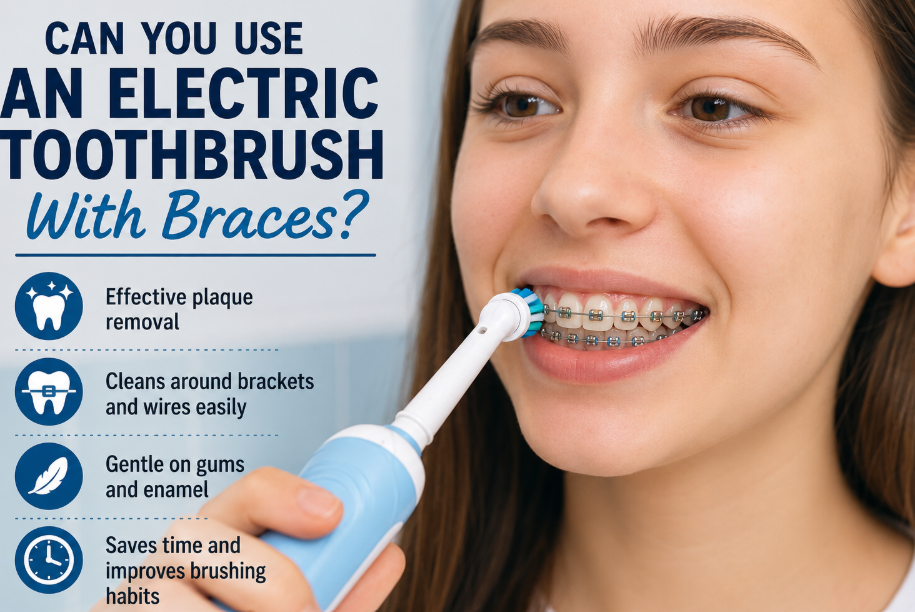
Braces are one of the most effective ways to achieve a straight, confident smile. Yet once those brackets and wires are attached, oral hygiene suddenly becomes much more challenging. Food particles seem to hide everywhere, plaque builds up faster, and brushing can feel like navigating a maze.
This leads many people to ask a simple but important question: Can you use an electric toothbrush with braces?
The short answer is yes. In fact, many orthodontists recommend electric toothbrushes for people wearing braces because they can make cleaning around brackets and wires easier and more effective than manual brushing.
In this comprehensive guide, we’ll explore everything you need to know about using an electric toothbrush with braces, including benefits, techniques, common mistakes, and tips for maintaining excellent oral health throughout your orthodontic journey.
Why Oral Hygiene Matters More When You Have Braces
Braces create additional surfaces where food debris and plaque can accumulate.
When plaque isn’t removed effectively, it can lead to:
- Tooth decay
- Gum inflammation
- Bad breath
- White spot lesions
- Stained teeth after braces removal
Think of braces like a fence around your teeth. While they help guide teeth into their ideal positions, they also create tiny hiding spots where bacteria love to settle.
That’s why maintaining proper oral hygiene becomes more important than ever.
Can You Safely Use an Electric Toothbrush With Braces?
Absolutely.
Modern electric toothbrushes are designed to clean effectively while remaining gentle on teeth and gums. When used correctly, they won’t damage brackets or wires.
In fact, electric toothbrushes can often provide superior plaque removal compared to manual toothbrushes, especially in hard-to-reach areas around orthodontic appliances.
The key is choosing the right brush head and using proper brushing techniques.
Benefits of Using an Electric Toothbrush With Braces
Improved Plaque Removal
One of the biggest advantages of electric toothbrushes is their ability to remove plaque more efficiently.
The rapid movements of oscillating or sonic brush heads help dislodge bacteria that manual brushing may miss.
For people with braces, this can make a significant difference.
Consistent Brushing Pressure
Many electric toothbrushes include pressure sensors.
These sensors alert us when we’re brushing too hard, helping prevent:
- Gum recession
- Enamel wear
- Bracket damage
Built-In Timers
Most electric toothbrushes feature timers that encourage brushing for the recommended two minutes.
This helps ensure every area of the mouth receives adequate attention.
Easier Cleaning Around Brackets
The powered movement of an electric toothbrush can reach around brackets and wires more effectively than manual scrubbing alone.
How Braces Make Brushing More Difficult
Braces introduce several obstacles to oral hygiene.
Food Traps
Small food particles easily become lodged between brackets and wires.
Additional Plaque Retention Areas
Every bracket creates new surfaces where bacteria can accumulate.
Restricted Access
Reaching all tooth surfaces becomes more complicated.
Without proper cleaning, plaque can harden into tartar, increasing the risk of dental problems.
Types of Electric Toothbrushes Suitable for Braces
Oscillating-Rotating Toothbrushes
These toothbrushes feature round heads that rotate back and forth.
Benefits include:
- Excellent plaque removal
- Precision cleaning
- Easy access around brackets
Sonic Toothbrushes
Sonic toothbrushes use high-frequency vibrations.
Advantages include:
- Gentle cleaning action
- Effective plaque disruption
- Improved reach between teeth
Both types can work exceptionally well with braces.
Choosing the Right Brush Head
Soft Bristles Are Essential
Always select a soft-bristled brush head.
Hard bristles may:
- Irritate gums
- Wear enamel
- Damage orthodontic components
Orthodontic Brush Heads
Some manufacturers offer specialized brush heads designed specifically for braces.
These may feature:
- Trimmed bristle patterns
- Narrow profiles
- Enhanced access around brackets
How to Brush With an Electric Toothbrush and Braces
Step 1: Rinse First
Before brushing, rinse your mouth thoroughly with water.
This helps loosen food debris.
Step 2: Divide the Mouth Into Sections
Break the mouth into four quadrants:
- Upper right
- Upper left
- Lower right
- Lower left
Spend equal time on each area.
Step 3: Angle the Brush Properly
Position the brush at a 45-degree angle.
Focus on:
- Above brackets
- Directly on brackets
- Below brackets
Step 4: Move Slowly
Unlike manual brushing, there’s no need for aggressive scrubbing.
Let the toothbrush do the work.
Step 5: Clean Every Surface
Don’t forget:
- Front surfaces
- Back surfaces
- Chewing surfaces
- Gumline
The Best Brushing Technique for Braces
Clean Above the Brackets
Hold the brush slightly downward toward the brackets.
Brush Directly Over Brackets
Spend extra time removing plaque from bracket surfaces.
Brush Beneath the Brackets
Angle the brush upward to clean areas underneath wires.
This three-angle method provides thorough coverage.
How Often Should You Brush With Braces?
Most orthodontists recommend brushing:
- After every meal
- Before bedtime
- At least twice daily
Brushing after meals prevents food from sitting around brackets for extended periods.
Should You Floss if You Use an Electric Toothbrush?
Yes.
An electric toothbrush cannot replace flossing.
Brushing cleans tooth surfaces, but floss removes plaque between teeth.
Consider using:
- Floss threaders
- Orthodontic floss
- Water flossers
These tools make flossing significantly easier with braces.
Using a Water Flosser Alongside an Electric Toothbrush
A Powerful Combination
Many orthodontic patients combine electric brushing with water flossing.
Benefits include:
- Removing trapped food
- Reaching tight spaces
- Reducing gum inflammation
Together, they create a highly effective oral hygiene routine.
Common Mistakes to Avoid
Brushing Too Hard
More pressure does not equal cleaner teeth.
Excessive force may damage gums and enamel.
Skipping Hard-to-Reach Areas
Many people focus only on visible surfaces.
Unfortunately, plaque often hides where we don’t look.
Rushing Through Brushing
Two minutes should be the minimum.
People with braces may benefit from spending slightly longer.
Ignoring the Gumline
Healthy gums are just as important as clean teeth.
Signs You’re Cleaning Your Braces Effectively
How do we know our routine is working?
Positive signs include:
- Fresh breath
- Healthy pink gums
- Minimal plaque buildup
- No food trapped after brushing
- Cleaner brackets
Regular dental checkups can also confirm your brushing effectiveness.
Can an Electric Toothbrush Damage Braces?
When used correctly, no.
Modern electric toothbrushes are safe for orthodontic treatment.
Problems typically occur only when:
- Excessive force is used
- Damaged brush heads are ignored
- Brackets are already loose
Following proper technique minimizes risk.
Electric Toothbrush vs Manual Toothbrush for Braces
Plaque Removal
Electric toothbrushes generally remove more plaque.
Ease of Use
Electric brushes require less effort.
Consistency
Built-in timers improve brushing habits.
Motivation
Many users find electric brushing more engaging.
Manual toothbrushes can still be effective, but electric models often provide additional advantages for orthodontic patients.
How Parents Can Help Children With Braces
Children and teenagers may struggle with consistent brushing.
Parents can encourage better habits by:
- Monitoring brushing time
- Using timer-equipped toothbrushes
- Reinforcing daily routines
- Scheduling regular dental visits
Good habits during orthodontic treatment can prevent long-term dental issues.
Foods That Make Brushing More Important
Certain foods tend to stick around braces.
Examples include:
- Caramel
- Gum
- Popcorn
- Chips
- Soft bread
- Dried fruit
After consuming these foods, brushing becomes especially important.
Travel Tips for Braces Wearers
Maintaining oral hygiene on the go is easier with preparation.
Consider carrying:
- Travel electric toothbrush
- Extra brush head
- Interdental brushes
- Floss threaders
- Small toothpaste tube
A portable oral care kit can save your smile during busy days.
What Orthodontists Typically Recommend
Most orthodontists support electric toothbrush use during treatment.
They often recommend:
- Soft bristles
- Two-minute brushing sessions
- Daily flossing
- Regular professional cleanings
Following professional guidance helps ensure successful treatment outcomes.
Long-Term Benefits of Using an Electric Toothbrush With Braces
Consistent cleaning can lead to:
- Healthier gums
- Less plaque buildup
- Reduced risk of cavities
- Fewer white spots after braces removal
- Better overall oral health
Think of your electric toothbrush as a daily investment in the smile you’ll eventually reveal.
Conclusion
So, can you use an electric toothbrush with braces?
Without question, yes.
An electric toothbrush can be one of the most valuable tools during orthodontic treatment. Its ability to remove plaque efficiently, clean around brackets, and encourage proper brushing habits makes it an excellent choice for both adults and children with braces.
The secret isn’t simply owning an electric toothbrush—it’s using it correctly and consistently. Combine it with flossing, regular dental visits, and healthy eating habits, and you’ll be well on your way to revealing a beautifully straight and healthy smile when your braces finally come off.
Frequently Asked Questions
1. Is an electric toothbrush better than a manual toothbrush for braces?
In many cases, yes. Electric toothbrushes generally provide better plaque removal and make cleaning around brackets easier.
2. Can electric toothbrush vibrations loosen braces?
No. When used properly, electric toothbrushes are designed to be safe for orthodontic appliances.
3. What type of brush head is best for braces?
Soft-bristled brush heads are usually recommended because they clean effectively while protecting gums and brackets.
4. How many times a day should I brush with braces?
Ideally after every meal, but at least twice daily.
5. Should I use a water flosser with braces?
Yes. Water flossers can help remove food particles and plaque from hard-to-reach areas around brackets and wires.