
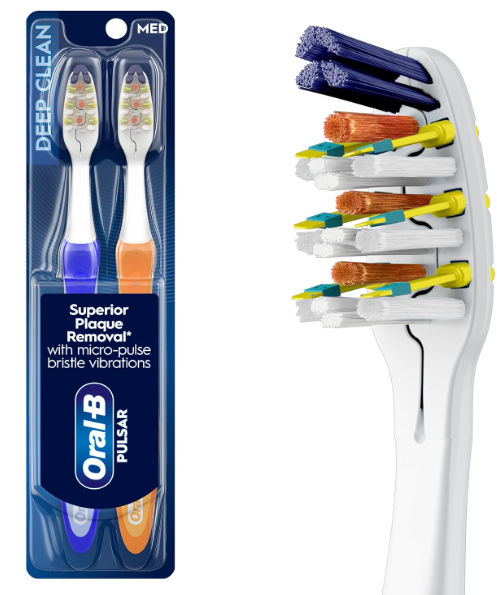
The Oral-B Pulsar is one of the most unique toothbrushes on the market. It bridges the gap between a traditional manual toothbrush and a fully electric model, offering the familiarity of manual brushing with the added benefit of gentle battery-powered vibrations. For many people, it represents the perfect middle ground—simple, affordable, portable, and easy to use.
Yet despite its popularity, countless users never unlock its full potential. Some brush too hard. Others rely too heavily on the vibrations. Many simply treat it like any other manual toothbrush without understanding how its technology is designed to improve cleaning performance.
So, how do we use an Oral-B Pulsar correctly?
The answer goes beyond simply applying toothpaste and moving the brush around our teeth. Proper technique, brushing duration, pressure control, and toothbrush maintenance all play a role in achieving the best possible results.
In this comprehensive guide, we’ll explore exactly how to use an Oral-B Pulsar, common mistakes to avoid, tips for maximizing cleaning power, and the reasons this innovative toothbrush continues to attract millions of users worldwide.
Understanding the Oral-B Pulsar
Before learning the correct brushing technique, it helps to understand what makes the Oral-B Pulsar different from other toothbrushes.
Unlike standard manual toothbrushes, the Pulsar contains a small battery-powered vibration system integrated directly into the handle. These gentle vibrations travel through the bristles, helping loosen plaque and enhance cleaning without requiring charging stations or complicated settings.
Think of it as having a helpful co-pilot while brushing. You’re still in control of the movement, but the toothbrush provides additional assistance to improve effectiveness.
The Oral-B Pulsar typically includes:
- Battery-powered vibrations
- Pressure-sensitive split head
- Flexible bristles
- Ergonomic handle
- Lightweight design
- Disposable construction
These features combine to create a toothbrush that feels familiar while offering a more advanced cleaning experience.
Why Proper Technique Matters
Many people assume that because the Oral-B Pulsar vibrates, it automatically delivers perfect cleaning regardless of technique.
Unfortunately, that’s not the case.
Even the most advanced toothbrush can’t compensate for poor brushing habits. The vibrations are designed to complement proper brushing—not replace it.
Using the correct technique helps:
- Remove more plaque
- Protect tooth enamel
- Improve gum health
- Reduce bad breath
- Prevent cavities
- Enhance overall oral hygiene
The difference between average and excellent brushing often comes down to a few simple habits.
Preparing the Oral-B Pulsar for First Use
When opening a new Oral-B Pulsar, we should take a few moments to inspect it before brushing.
Start by removing all packaging materials. Some models include a battery activation tab that must be removed before the vibration feature works properly.
Check that:
- The bristles are straight and undamaged
- The handle feels secure
- The vibration mechanism activates correctly
- No packaging materials remain attached
A quick inspection ensures the toothbrush is ready to perform as intended.
Applying Toothpaste Correctly
One of the most common misconceptions about brushing involves toothpaste quantity.
Many advertisements show toothbrushes completely covered with toothpaste, but that’s largely for visual appeal rather than practical use.
For most adults, a pea-sized amount of fluoride toothpaste is sufficient.
The Oral-B Pulsar works effectively with:
- Standard fluoride toothpaste
- Whitening formulas
- Sensitive teeth toothpaste
- Gum-care products
- Anti-cavity toothpaste
Choosing the right toothpaste depends on individual dental needs, but the brushing technique remains largely the same.
Positioning the Toothbrush Properly
The angle at which we hold the Oral-B Pulsar can significantly affect cleaning performance.
Dental professionals often recommend positioning the toothbrush at approximately a 45-degree angle toward the gumline.
This angle allows the bristles to reach:
- Tooth surfaces
- Areas near the gums
- Plaque-prone zones
- Hard-to-reach crevices
Imagine the bristles gently sweeping along the border where the teeth and gums meet. That’s where much of the harmful plaque tends to accumulate.
Activating the Vibration Feature
Once the toothbrush is positioned correctly, activate the vibration function.
The sensation is subtle compared to rechargeable electric toothbrushes.
Many first-time users expect intense movement and assume something is wrong when the vibrations feel gentle.
In reality, the Oral-B Pulsar is designed to provide assistance rather than aggressive mechanical action.
The vibrations help loosen debris and enhance cleaning efficiency while preserving the familiar feel of manual brushing.
The Correct Brushing Motion
Perhaps the most important aspect of learning how to use an Oral-B Pulsar involves mastering the brushing motion itself.
Many people instinctively scrub their teeth using harsh back-and-forth movements.
Unfortunately, this habit can:
- Wear down enamel
- Irritate gums
- Cause gum recession
- Increase tooth sensitivity
Instead, we should use small circular motions.
Picture polishing a delicate crystal glass rather than scrubbing a dirty pan. Gentle, controlled movements combined with the Pulsar’s vibrations create a far more effective cleaning experience.
The toothbrush should glide smoothly across the teeth while maintaining light contact with the gumline.
Cleaning Every Surface Thoroughly
Effective brushing requires more than simply moving the toothbrush around the mouth randomly.
Every tooth contains multiple surfaces that need attention.
The outer surfaces are generally the easiest to reach and often receive the most attention. However, inner surfaces and chewing surfaces are equally important.
When brushing, focus on:
- Front outer surfaces
- Back outer surfaces
- Front inner surfaces
- Back inner surfaces
- Chewing surfaces of molars
Moving systematically through the mouth helps ensure no area is overlooked.
Paying Special Attention to Molars
The molars deserve special mention because they frequently collect food particles and plaque.
Located toward the back of the mouth, these teeth contain grooves and pits that can trap debris.
Using the Oral-B Pulsar on molars involves:
- Slower brushing motions
- Extra attention to chewing surfaces
- Careful cleaning around the gumline
Spending a few additional seconds on these areas can significantly improve oral hygiene outcomes.
Brushing for the Recommended Time
One of the simplest ways to improve brushing effectiveness is to increase brushing duration.
Studies consistently show that many people brush for less than one minute.
Most dental professionals recommend brushing for a full two minutes.
A useful strategy is dividing the mouth into four sections:
- Upper right
- Upper left
- Lower right
- Lower left
Spend approximately 30 seconds cleaning each section.
This approach creates balanced coverage and helps prevent rushed brushing sessions.
Managing Pressure During Brushing
Pressure control is crucial when using the Oral-B Pulsar.
Because the toothbrush vibrates, some users mistakenly believe they need to press harder to maximize cleaning power.
In reality, excessive pressure can reduce effectiveness.
The flexible split head is designed to adapt naturally to tooth surfaces. Applying too much force interferes with this movement and may damage gum tissue over time.
A good rule is simple:
If the bristles are bending dramatically, you’re probably brushing too hard.
Gentle pressure combined with proper technique produces superior results.
Cleaning the Tongue and Mouth Interior
Many brushing routines focus exclusively on teeth while completely ignoring the tongue.
Unfortunately, bacteria thrive on the tongue’s surface.
These bacteria contribute to:
- Bad breath
- Plaque formation
- Oral discomfort
After brushing your teeth, use the Oral-B Pulsar gently across the tongue from back to front.
A few light strokes can significantly improve freshness.
Rinsing After Brushing
Once brushing is complete, rinse thoroughly.
This process includes:
- Spitting out excess toothpaste
- Rinsing the mouth
- Washing the toothbrush head
Removing residual debris helps keep the toothbrush cleaner and more hygienic between uses.
Proper Storage Techniques
Storage plays a larger role in toothbrush hygiene than many people realize.
After rinsing the Oral-B Pulsar:
- Store it upright
- Allow it to air dry
- Keep it in an open environment
Avoid sealed containers whenever possible.
Moisture trapped around bristles can encourage bacterial growth and reduce overall cleanliness.
Common Mistakes Users Make
Even with a well-designed toothbrush like the Oral-B Pulsar, mistakes can limit results.
One common mistake involves rushing through brushing sessions.
Another is neglecting back teeth entirely.
Some users replace the toothbrush too late, continuing to brush with worn bristles that have lost their cleaning effectiveness.
Others assume the vibration feature eliminates the need for proper technique.
These habits reduce the benefits the Pulsar can provide.
How Often Should You Use an Oral-B Pulsar?
Most dental professionals recommend brushing twice daily.
The ideal schedule includes:
- Morning brushing
- Evening brushing
Each session should last approximately two minutes.
This routine helps maintain consistent plaque control and supports healthier gums.
Some individuals also brush after meals.
If consuming highly acidic foods or beverages, waiting about 30 minutes before brushing is generally recommended to protect enamel.
Oral-B Pulsar vs Traditional Manual Toothbrushes
The Oral-B Pulsar offers several advantages over ordinary manual toothbrushes.
The vibrating bristles provide enhanced cleaning support while maintaining the familiar control many people prefer.
Benefits include:
- Improved plaque disruption
- More comfortable brushing experience
- Flexible brush head movement
- No charging requirements
- Excellent portability
At the same time, it remains simple enough for users who don’t want the complexity of advanced electric toothbrushes.
Oral-B Pulsar vs Electric Toothbrushes
While the Pulsar offers significant advantages over standard manual brushes, it’s important to understand its limitations.
Premium electric toothbrushes often provide:
- Oscillating brush heads
- Sonic technology
- Pressure sensors
- Smart timers
- Bluetooth connectivity
The Oral-B Pulsar focuses on simplicity rather than advanced features.
For many users, that simplicity is actually one of its greatest strengths.
Who Benefits Most from the Oral-B Pulsar?
The Oral-B Pulsar appeals to a surprisingly wide audience.
Travelers appreciate its lightweight design and lack of charging requirements.
Busy professionals enjoy the convenience.
Teenagers often find the vibrations more engaging than traditional brushing.
Individuals transitioning from manual brushes to electric toothbrushes frequently view the Pulsar as an ideal stepping stone.
Its versatility makes it suitable for numerous lifestyles and oral-care routines.
Tips for Maximizing Cleaning Performance
To get the best possible results, combine the Oral-B Pulsar with healthy oral-care habits.
These include:
- Brushing twice daily
- Flossing every day
- Drinking plenty of water
- Limiting sugary snacks
- Visiting the dentist regularly
- Replacing the toothbrush when worn
The toothbrush is only one piece of a complete oral-health strategy.
When combined with consistent habits, it becomes far more effective.
Signs the Toothbrush Needs Replacement
No toothbrush lasts forever.
Eventually, the bristles lose their shape and cleaning efficiency.
Replace the Oral-B Pulsar if:
- Bristles become frayed
- Vibrations weaken significantly
- Cleaning performance declines
- Three months of regular use have passed
Using a fresh toothbrush helps maintain optimal plaque removal.
Is the Oral-B Pulsar Worth Buying?
For many people, absolutely.
The Oral-B Pulsar offers a unique balance of affordability, convenience, and enhanced cleaning capability.
It provides more assistance than a standard manual toothbrush while avoiding the cost and maintenance associated with many rechargeable electric models.
Users seeking an easy upgrade to their oral-care routine often find it delivers excellent value.
While it may not replace a high-end electric toothbrush for everyone, it fills an important niche and performs remarkably well when used correctly.
Final Thoughts
Learning how to use an Oral-B Pulsar properly is surprisingly simple, yet the benefits can be substantial. By holding the brush at the correct angle, applying gentle pressure, using small circular motions, and brushing for a full two minutes, we can dramatically improve our daily oral hygiene routine.
The Oral-B Pulsar is not a magic wand, but it is a powerful tool when paired with good habits. Its gentle vibrations, flexible head, and user-friendly design create a brushing experience that feels both familiar and enhanced. When we take the time to use it correctly, the reward is cleaner teeth, healthier gums, fresher breath, and greater confidence every time we smile.
Frequently Asked Questions
Can I use the Oral-B Pulsar every day?
Yes. The Oral-B Pulsar is designed for daily use and can be used twice per day as part of a normal oral-care routine.
Do I need special toothpaste for the Oral-B Pulsar?
No. Standard fluoride toothpaste works perfectly, although whitening, sensitivity, and gum-care formulas can also be used.
Is the Oral-B Pulsar considered an electric toothbrush?
Not exactly. It is a battery-powered manual toothbrush that provides vibrations but still relies on manual brushing movements.
How long should each brushing session last?
A complete brushing session should last approximately two minutes, covering all areas of the mouth evenly.
Can children use an Oral-B Pulsar?
Many older children and teenagers can use it effectively, although younger children should always follow age-appropriate dental recommendations.