
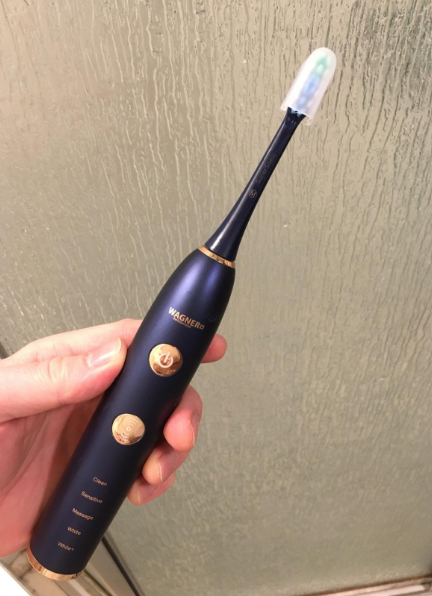
Most of us brush our teeth every day without giving much thought to how we hold our toothbrush. We focus on the toothpaste, the brush head, or the amount of time we spend brushing. Yet one surprisingly important detail often slips under the radar: the way we grip the toothbrush.
Think of a toothbrush like a paintbrush. A skilled artist doesn’t grip it with all their strength. Instead, they hold it lightly, allowing smooth, controlled movements. The same principle applies to oral care. The way we hold a toothbrush directly affects how effectively we remove plaque, protect our gums, and maintain long-term dental health.
In this comprehensive guide, we’ll explore everything there is to know about how to hold a toothbrush properly, why it matters, common mistakes to avoid, and techniques that can transform your daily brushing routine.
Why Holding a Toothbrush Correctly Matters
Many people assume brushing harder equals cleaner teeth. Unfortunately, that’s one of the biggest misconceptions in dental care.
An improper grip often leads to:
- Excessive brushing pressure
- Gum recession
- Enamel wear
- Tooth sensitivity
- Ineffective plaque removal
- Wrist and hand fatigue
By learning the correct grip, we gain better control over every brushing movement. This allows us to clean thoroughly while protecting delicate oral tissues.
The Science Behind Toothbrush Grip
Our hands naturally influence how much force we apply. When we grip an object tightly, our muscles generate greater pressure. That pressure transfers directly to our teeth and gums.
Research consistently shows that aggressive brushing contributes significantly to gum damage and enamel erosion. The ideal brushing technique relies on precision rather than force.
A proper toothbrush grip helps us:
- Reduce pressure
- Improve accuracy
- Reach difficult areas
- Maintain consistent brushing patterns
- Prevent oral damage
The Best Way to Hold a Toothbrush
Use the Pencil Grip Method
Dental professionals often recommend holding a toothbrush like a pencil rather than like a hammer.
To do this:
- Place the handle between your thumb and fingers.
- Hold it lightly.
- Allow your wrist to guide movements.
- Avoid clenching the handle.
This grip naturally limits excessive force while improving maneuverability.
Imagine writing your signature. You don’t squeeze the pen with all your strength. Instead, your hand moves effortlessly. The toothbrush should feel exactly the same.
Why the Pencil Grip Works So Well
Improved Control
The pencil grip allows smaller, more precise motions.
Less Pressure
Since your hand cannot easily apply excessive force, your gums remain protected.
Better Reach
Small wrist movements help you clean hard-to-reach areas, especially behind molars.
Greater Comfort
Brushing feels more natural and less tiring.
The Toothbrush Grip Most People Use
The Fist Grip
Many adults instinctively hold a toothbrush like a hammer.
This grip involves wrapping the entire hand around the handle.
While it may feel powerful, it creates several problems:
- Increased brushing pressure
- Reduced precision
- Higher risk of gum recession
- Less effective cleaning along the gumline
The fist grip isn’t always harmful, but it often encourages overly aggressive brushing.
How Much Pressure Should You Apply?
One of the easiest ways to evaluate pressure is to watch the bristles.
Signs You’re Pressing Too Hard
- Bristles flatten during brushing
- Toothbrush wears out quickly
- Gums become sore
- Bleeding occurs regularly
- Teeth feel sensitive
Signs You’re Using the Right Pressure
- Bristles maintain their shape
- Brushing feels comfortable
- Gums remain healthy
- Toothbrush lasts longer
A good rule of thumb is simple: let the bristles do the work.
Positioning the Toothbrush Correctly
Holding the brush correctly is only part of the equation.
The angle matters too.
The 45-Degree Rule
Position the toothbrush at approximately a 45-degree angle toward the gumline.
This allows the bristles to:
- Remove plaque effectively
- Clean below the gum margin
- Reach difficult crevices
Think of the brush as a tiny broom sweeping debris away from your gums.
How to Hold a Manual Toothbrush
Step-by-Step Method
Step 1: Relax Your Hand
Avoid tension in your fingers and wrist.
Step 2: Use a Pencil Grip
Hold the brush lightly.
Step 3: Angle the Brush
Maintain a 45-degree angle.
Step 4: Make Small Motions
Use gentle circular movements.
Step 5: Cover Every Surface
Brush:
- Outer surfaces
- Inner surfaces
- Chewing surfaces
- Tongue
How to Hold an Electric Toothbrush
Electric toothbrushes operate differently.
Let the Brush Do the Work
Unlike manual brushes, electric models require minimal movement.
Hold the handle lightly and:
- Guide the brush slowly
- Pause briefly on each tooth
- Avoid scrubbing motions
- Allow the motor to perform the cleaning
Many electric toothbrushes even include pressure sensors that alert us when we’re brushing too hard.
Common Toothbrush Grip Mistakes
Gripping Too Tightly
This remains the most common error.
A tight grip often leads to excessive force and gum damage.
Using Large Scrubbing Motions
Aggressive horizontal brushing can wear away enamel.
Holding Too Close to the Brush Head
This limits movement and control.
Rushing Through Brushing
Even with a perfect grip, brushing too quickly reduces effectiveness.
Teaching Children How to Hold a Toothbrush
Children often mimic adult behaviors.
Teaching proper habits early can prevent future dental issues.
Make It Fun
Try these techniques:
- Compare the brush to a paintbrush
- Use colorful toothbrushes
- Practice together
- Turn brushing into a game
Encourage Gentle Movements
Children frequently brush too hard because they think harder equals cleaner.
Demonstrate light, circular motions.
How Toothbrush Handle Design Affects Grip
Not all toothbrushes are created equal.
Certain handle features improve control.
Look for These Characteristics
Non-Slip Grip
Rubberized surfaces improve stability.
Comfortable Thickness
A slightly thicker handle can reduce hand fatigue.
Balanced Weight
Well-balanced brushes are easier to maneuver.
The Connection Between Grip and Gum Health
Healthy gums form the foundation of a healthy smile.
Improper toothbrush handling can gradually cause:
- Gum recession
- Inflammation
- Bleeding
- Sensitivity
The damage often develops slowly, making it difficult to notice until significant recession has occurred.
A lighter grip helps preserve gum tissue for years to come.
The Relationship Between Grip and Enamel Protection
Enamel is the strongest substance in the human body.
Yet it isn’t indestructible.
Repeated aggressive brushing can wear enamel away over time.
Once enamel disappears, it cannot regenerate naturally.
A gentle toothbrush grip serves as a protective shield against unnecessary enamel loss.
Should Left-Handed People Hold a Toothbrush Differently?
The basic principles remain identical.
Whether you’re right-handed or left-handed:
- Use a pencil grip
- Apply gentle pressure
- Maintain proper angles
- Focus on control
The dominant hand changes, but the technique stays the same.
How Dentists Recommend Brushing
Dental professionals generally emphasize three key principles:
Gentleness
Force isn’t necessary.
Consistency
Brush twice daily.
Technique
Proper technique matters more than strength.
When combined with a correct toothbrush grip, these principles create a highly effective oral hygiene routine.
Advanced Tips for Better Brushing
Use a Mirror
Watching your brushing technique improves awareness.
Replace Worn Toothbrushes
Replace brushes every three to four months.
Take Your Time
Aim for two full minutes.
Follow a Pattern
Brush systematically to avoid missing areas.
Signs You’ve Mastered the Proper Toothbrush Grip
You know your technique is improving when:
- Gums stop bleeding
- Tooth sensitivity decreases
- Bristles remain intact longer
- Teeth feel cleaner
- Brushing feels easier
Small adjustments often produce surprisingly large results.
Creating the Perfect Brushing Routine
A proper toothbrush grip should become part of a complete oral care strategy.
Combine it with:
- Fluoride toothpaste
- Daily flossing
- Regular dental checkups
- Tongue cleaning
- Healthy dietary habits
Together, these habits create a strong defense against cavities and gum disease.
The Hidden Power of a Simple Grip
It’s fascinating how something as simple as holding a toothbrush can influence our oral health. We often search for advanced solutions, expensive products, or complex techniques while overlooking basic fundamentals.
The truth is that a toothbrush becomes far more effective when held correctly. Like a skilled musician handling an instrument or a painter controlling a brush, precision matters more than power.
By adopting a gentle pencil grip, maintaining proper angles, and allowing the bristles to do their job, we can protect our gums, preserve enamel, and enjoy cleaner teeth every day.
Conclusion
Learning how to hold a toothbrush properly may seem like a small detail, but it has a significant impact on oral health. A relaxed pencil grip offers better control, reduces harmful pressure, and helps us brush more effectively. Whether we use a manual or electric toothbrush, the goal remains the same: gentle, thorough cleaning without damaging teeth or gums.
The next time we pick up a toothbrush, it’s worth pausing for a moment and checking our grip. That tiny adjustment could become one of the smartest improvements we ever make to our daily oral care routine.
Frequently Asked Questions
1. What is the correct way to hold a toothbrush?
The best method is the pencil grip, where the toothbrush is held lightly between the thumb and fingers rather than tightly in a fist.
2. Can holding a toothbrush incorrectly damage gums?
Yes. Excessive pressure caused by an improper grip can contribute to gum recession, irritation, and bleeding.
3. Should I hold an electric toothbrush differently?
You should still use a light grip, but allow the brush’s motorized action to perform most of the cleaning instead of scrubbing manually.
4. How can I tell if I’m brushing too hard?
Flattened bristles, gum soreness, sensitivity, and rapid toothbrush wear are common signs of excessive pressure.
5. Is the pencil grip recommended for children?
Yes. Teaching children to use a gentle pencil grip encourages healthy brushing habits and helps prevent gum damage later in life.