
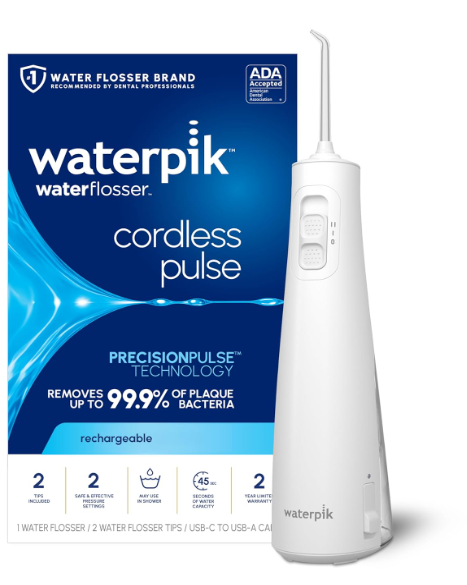
When it comes to oral hygiene, most of us know the basics: brush twice a day, floss regularly, and visit the dentist. Yet traditional string floss often feels like a chore. It’s no surprise that cordless water flossers have surged in popularity. But a question remains: are cordless water flossers any good?
The short answer is yes. For many people, cordless water flossers can be an effective, convenient, and comfortable way to improve oral hygiene. However, like any dental tool, they come with advantages and limitations.
In this comprehensive guide, we’ll explore how cordless water flossers work, their benefits, drawbacks, who should use them, and whether they’re worth the investment.
What Is a Cordless Water Flosser?
A cordless water flosser is a handheld oral hygiene device that uses a pressurized stream of water to remove food particles, plaque, and bacteria from between teeth and along the gumline.
Unlike countertop models, cordless units are battery-powered or rechargeable, making them portable and easy to use anywhere.
Think of it as a miniature pressure washer for your mouth—but much gentler and designed specifically for dental care.
How Does a Cordless Water Flosser Work?
The device stores water in a small reservoir. Once activated, it pumps water through a specialized nozzle, creating a targeted stream that reaches areas traditional floss may struggle to access.
The Cleaning Process
- Fill the reservoir.
- Select the pressure setting.
- Aim the nozzle between teeth.
- Follow the gumline systematically.
- Empty and clean the reservoir afterward.
The water stream helps loosen debris while stimulating gum tissue at the same time.
Why Water Pressure Matters
The pulsating action not only washes away trapped particles but also disrupts bacterial biofilm, which contributes to plaque buildup and gum disease.
Why Have Cordless Water Flossers Become So Popular?
Modern lifestyles demand convenience. People want effective dental care without adding complexity to their daily routines.
Cordless water flossers appeal to users because they are:
- Lightweight
- Portable
- Easy to store
- Travel-friendly
- Simple to operate
- Less intimidating than string floss
For many individuals, convenience leads to consistency—and consistency is what truly improves oral health.
Are Cordless Water Flossers Effective at Removing Plaque?
One of the biggest concerns people have is whether a cordless water flosser can truly replace traditional floss.
The reality is nuanced.
What They Do Well
Cordless water flossers excel at:
- Removing food debris
- Cleaning around braces
- Reaching deep gum pockets
- Reducing gum inflammation
- Improving gum health
What They May Not Do as Well
String floss physically scrapes tooth surfaces, which can sometimes be more effective for removing tightly adhered plaque.
Many dental professionals recommend using a water flosser as part of a complete oral care routine rather than viewing it as a magic replacement for everything else.
The Biggest Benefits of Cordless Water Flossers
Let’s dive deeper into the reasons so many users swear by these devices.
Superior Comfort
Traditional floss can feel uncomfortable, especially for people with sensitive gums.
Water flossers offer a gentler experience that feels more like a soothing rinse than a cleaning task.
Ideal for Sensitive Gums
If your gums bleed during flossing, a cordless water flosser can often provide a more comfortable alternative while encouraging healthier gum tissue.
Excellent for Braces
Orthodontic appliances create countless tiny spaces where food gets trapped.
A cordless water flosser can clean around:
- Brackets
- Wires
- Bands
- Retainers
This makes it one of the most useful oral hygiene tools for orthodontic patients.
Helpful for Dental Implants
People with implants often struggle to clean around restoration margins.
Water flossers can help remove debris without excessive pressure on surrounding tissues.
Travel-Friendly Oral Care
One of the strongest selling points of cordless models is portability.
Why Travelers Love Them
Cordless water flossers are:
- Compact
- Lightweight
- Rechargeable
- Easy to pack
Whether we’re heading on a weekend getaway or a month-long adventure, maintaining oral hygiene becomes much simpler.
No Counter Space Required
Unlike bulky countertop models, cordless units fit easily into drawers, cabinets, or luggage.
For apartment dwellers and minimalists, this is a major advantage.
Cordless vs Countertop Water Flossers
Choosing between these two styles depends on your priorities.
Cordless Advantages
- Greater portability
- Easier storage
- Convenient travel use
- No power cord restrictions
Countertop Advantages
- Larger water reservoirs
- Higher pressure settings
- Longer continuous use
- More advanced features
Which One Cleans Better?
Countertop units generally provide more powerful and sustained performance.
However, many cordless models offer more than enough cleaning capability for everyday use.
Who Should Consider a Cordless Water Flosser?
Not everyone needs one, but certain groups may benefit significantly.
People with Braces
Braces create cleaning challenges that water flossers address exceptionally well.
People with Crowns and Bridges
Dental restorations often create hard-to-reach areas where bacteria can accumulate.
People with Sensitive Gums
A gentler cleaning method can encourage regular use.
Busy Professionals
When time is limited, simplicity becomes invaluable.
Frequent Travelers
Portability alone may justify the purchase.
Can a Cordless Water Flosser Replace String Floss?
This question sparks endless debate.
The Practical Answer
For many people, using a water flosser consistently is better than avoiding floss altogether.
If traditional floss sits untouched in the bathroom cabinet, a cordless water flosser may dramatically improve your oral hygiene habits.
The Dentist’s Perspective
Many dental professionals suggest combining:
- Tooth brushing
- Water flossing
- Traditional floss when necessary
This layered approach often provides the best results.
Common Drawbacks of Cordless Water Flossers
No product is perfect.
Let’s discuss some limitations.
Smaller Water Reservoirs
Most cordless units require refilling during longer cleaning sessions.
This can be mildly inconvenient.
Battery Maintenance
Rechargeable models need periodic charging.
Nothing is more frustrating than discovering a dead battery before bedtime.
Less Pressure Than Countertop Units
Portable devices generally sacrifice some power for convenience.
For most users, this tradeoff is acceptable.
Features Worth Looking For
Not all cordless water flossers are created equal.
Adjustable Pressure Settings
Different mouths have different needs.
Multiple pressure levels allow personalized comfort.
Long Battery Life
Look for models that can last several weeks between charges.
Waterproof Design
A waterproof unit can be safely used in the shower.
Multiple Tips
Interchangeable nozzles add versatility and value.
How to Use a Cordless Water Flosser Properly
Technique matters.
Step 1: Fill the Reservoir
Use lukewarm water for maximum comfort.
Step 2: Lean Over the Sink
This prevents water from splashing everywhere.
Step 3: Start with Low Pressure
Especially if you’re a beginner.
Step 4: Follow the Gumline
Move systematically around every tooth.
Step 5: Clean the Device
Regular maintenance helps prevent bacterial buildup.
How Long Does It Take to See Results?
Most users notice improvements surprisingly quickly.
First Week
- Fresher breath
- Cleaner feeling teeth
- Less food trapped between teeth
First Month
- Healthier gums
- Reduced bleeding
- Less gum tenderness
Long-Term Benefits
Consistent use can contribute to stronger oral hygiene habits and improved gum health over time.
Are Cordless Water Flossers Worth the Money?
Let’s consider value rather than simply cost.
What You’re Paying For
A quality cordless water flosser offers:
- Convenience
- Improved comfort
- Better accessibility
- Enhanced portability
The Real Investment
The true value lies in increased compliance.
A dental tool only works if we actually use it.
If a cordless water flosser encourages daily cleaning, it becomes a worthwhile investment.
Myths About Cordless Water Flossers
Several misconceptions continue circulating online.
Myth #1: They Are Just Fancy Mouth Rinsers
False.
The pulsating water stream performs active cleaning beyond simple rinsing.
Myth #2: They Damage Gums
When used properly, water flossers are generally safe and gentle.
Myth #3: They Are Only for Older Adults
People of all ages can benefit from improved interdental cleaning.
Myth #4: They Are Difficult to Use
Most users become comfortable within a few sessions.
Signs You Might Benefit From One
Ask yourself these questions:
- Do you dislike traditional floss?
- Do you have braces?
- Do your gums bleed frequently?
- Do you travel often?
- Do you struggle with oral care consistency?
If you answered yes to several, a cordless water flosser could be a valuable addition to your routine.
The Future of Cordless Water Flossers
Technology continues evolving rapidly.
Manufacturers are introducing:
- USB-C charging
- Smart pressure controls
- Extended battery life
- More compact designs
- Enhanced water efficiency
As innovation progresses, cordless models are becoming increasingly capable of matching countertop performance.
Final Verdict: Are Cordless Water Flossers Any Good?
So, are cordless water flossers any good?
Absolutely.
They combine convenience, comfort, and effective cleaning into a portable package that fits modern lifestyles. While they may not completely replace traditional floss for every individual, they can dramatically improve oral hygiene habits, especially for people with braces, sensitive gums, dental work, or busy schedules.
Think of a cordless water flosser as a reliable travel companion for your teeth. It may not perform every task perfectly, but it consistently shows up, makes oral care easier, and helps us maintain healthier smiles over time.
The best dental tool isn’t necessarily the most advanced one—it’s the one we use every day. For millions of users, that’s exactly where cordless water flossers shine.


Frequently Asked Questions
1. Are cordless water flossers as effective as countertop models?
Countertop models generally offer more pressure and larger reservoirs, but cordless units are highly effective for everyday cleaning and provide superior portability.
2. Can a cordless water flosser remove plaque?
Yes, cordless water flossers help reduce plaque and remove food debris, especially when used consistently alongside regular brushing.
3. Is a cordless water flosser safe for sensitive gums?
Yes. Most devices offer adjustable pressure settings that make cleaning comfortable for people with sensitive gums.
4. How often should I use a cordless water flosser?
Most dental professionals recommend using it once daily as part of your oral hygiene routine.
5. Are cordless water flossers good for braces?
Absolutely. They are among the best tools available for cleaning around brackets, wires, and other orthodontic appliances.