
When it comes to oral hygiene, brushing is only part of the story. The spaces between our teeth and beneath the gumline often become hiding places for food particles, plaque, and bacteria. That’s where water flossers—often called water picks—enter the picture.
But a common question continues to surface: Are cordless water picks as good as corded models?
The short answer is yes—for many people. However, the complete answer is far more nuanced. Choosing between cordless and corded water flossers is a bit like choosing between a compact sports car and a luxury SUV. Both can get you where you want to go, but the journey feels very different.
Let’s dive deep into the strengths, weaknesses, and real-world performance of both options so we can determine which one deserves a place on our bathroom counter.
Understanding How Water Picks Work
Water flossers use a pressurized stream of water to remove debris, plaque, and bacteria from areas traditional toothbrushes often miss.
Rather than scraping between teeth with string floss, they create a pulsating water jet that:
- Removes trapped food particles
- Reduces plaque buildup
- Helps prevent gum disease
- Cleans around braces
- Reaches dental implants and bridges
- Freshens breath
Whether cordless or corded, the basic principle remains the same.
The difference lies in how that water pressure is generated and delivered.
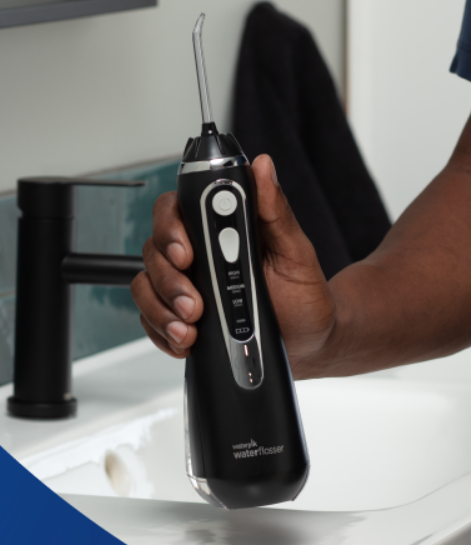
What Is a Cordless Water Pick?
A cordless water pick is powered by a rechargeable battery or replaceable batteries.
Key Characteristics
- Portable design
- Compact water reservoir
- Rechargeable battery
- Travel-friendly
- Lightweight construction
Most cordless models fit comfortably in one hand and can easily be packed into a suitcase or gym bag.
Imagine carrying a smartphone instead of a desktop computer. Both perform similar functions, but one offers much greater mobility.
What Is a Corded Water Pick?
A corded water flosser plugs directly into a power outlet.
These units typically sit on a bathroom countertop and feature:
- Large water reservoirs
- Continuous power supply
- Higher pressure settings
- Multiple specialized tips
- Advanced customization
They’re essentially the heavy-duty version of water flossers.
Cordless vs Corded: The Main Differences
Before determining which is better, let’s compare the major factors.
| Feature | Cordless | Corded |
|---|---|---|
| Portability | Excellent | Poor |
| Water Capacity | Small | Large |
| Pressure Levels | Moderate | High |
| Battery Required | Yes | No |
| Travel Convenience | Excellent | Limited |
| Customization | Moderate | Extensive |
| Counter Space | Minimal | Larger |
| Continuous Operation | Limited | Unlimited |
Neither category wins every battle.
The best choice depends on our priorities.
Do Cordless Water Picks Clean as Well as Corded Models?
Here’s the question everyone wants answered.
For routine daily cleaning, many cordless water flossers perform surprisingly well.
Modern cordless units can effectively:
- Flush away food debris
- Improve gum health
- Reduce gingivitis
- Clean around orthodontic appliances
- Support daily oral hygiene routines
If we use them consistently and correctly, cordless models can provide excellent cleaning results.
However, corded units generally offer:
- Stronger pressure ranges
- More pulsation options
- Longer operating sessions
- More advanced cleaning modes
For individuals with complex dental needs, corded models often maintain a slight advantage.
Pressure Power: Does Stronger Always Mean Better?
One area where corded models traditionally dominate is water pressure.
Corded Advantages
Many countertop units offer:
- Higher PSI levels
- Wider adjustment ranges
- More precision control
This makes them especially useful for:
- Deep gum pocket cleaning
- Heavy plaque accumulation
- Advanced periodontal care
Cordless Advantages
Modern cordless flossers still generate enough pressure for most users.
In fact, many people find excessively powerful settings uncomfortable.
Sometimes gentler pressure encourages consistency, and consistency often beats intensity.
A water flosser used every day is more valuable than a powerful machine gathering dust.
Reservoir Size Matters More Than Most People Think
One overlooked factor is water capacity.
Cordless Reservoirs
Most cordless units hold enough water for:
- One quick session
- Around 30–60 seconds of flossing
Some users may need to refill during use.
Corded Reservoirs
Countertop units often provide:
- 60–90+ seconds of continuous cleaning
- No interruptions
- Easier full-mouth coverage
If we dislike stopping mid-session, larger reservoirs can become a significant benefit.
Convenience: The Secret Weapon of Cordless Models
Convenience may be the single biggest reason cordless water picks have become so popular.
Why People Love Cordless Water Flossers
They are:
- Easy to grab and use
- Ideal for small bathrooms
- Simple to store
- Travel-friendly
- Less intimidating
Think about it.
Even the most advanced oral care device becomes useless if we avoid using it.
A convenient tool often encourages better habits.
Travel Performance: Cordless Wins Easily
This category isn’t even close.
Cordless Travel Benefits
- Fits in luggage
- No bulky base
- No need for countertop space
- Easy charging
- Ideal for hotels
Corded Travel Challenges
- Bulky reservoirs
- Extra cords
- More packing space required
- Less portable
Frequent travelers almost always prefer cordless designs.
Battery Life Considerations
One concern with cordless models is battery performance.
Potential Drawbacks
- Requires charging
- Battery degradation over time
- May lose power during travel
Fortunately, many modern cordless units now provide:
- Multiple weeks per charge
- USB charging
- Fast recharge capability
Battery technology has improved dramatically over the last decade.
Noise Levels: Which Is Quieter?
Most cordless water flossers tend to operate slightly quieter.
This happens because:
- Smaller motors are used
- Lower pressure settings generate less noise
- Compact designs reduce vibration
For households with shared bathrooms, quieter operation can be a welcome bonus.
Who Benefits Most from Cordless Water Picks?
Certain users are ideal candidates.
Busy Professionals
Quick routines fit hectic schedules.
Travelers
Portability becomes invaluable.
Students
Dorm rooms rarely offer abundant counter space.
Small Apartment Residents
Compact storage is a major advantage.
First-Time Users
Cordless units often feel less overwhelming.
Who Benefits Most from Corded Water Picks?
Countertop models shine for specific situations.
People with Braces
Orthodontic appliances create numerous cleaning challenges.
Implant Patients
Consistent pressure can improve cleaning effectiveness.
Individuals with Gum Disease
More pressure options may support specialized routines.
Families
Multiple users can share the same base unit.
Power Users
Those who prefer maximum performance typically favor corded units.
Cleaning Around Braces: Which Performs Better?
Braces create countless tiny spaces where food becomes trapped.
Both styles help tremendously.
However, corded units often provide:
- Longer cleaning sessions
- Stronger water streams
- Specialized orthodontic tips
That said, many orthodontists report excellent outcomes with quality cordless models used consistently.
The difference is often smaller than people expect.
Dental Implants, Crowns, and Bridges
Restorative dental work requires extra care.
Cordless Performance
Modern portable flossers can effectively clean around:
- Crowns
- Bridges
- Implants
Corded Performance
Higher-pressure settings may improve access around complex restorations.
For extensive dental work, countertop systems frequently offer more versatility.
The Importance of Consistency Over Equipment
Here’s a truth many reviews overlook.
The best water flosser is the one we actually use.
A powerful countertop machine doesn’t improve oral health if it stays unplugged.
A portable cordless model used every day often delivers better long-term results than a premium corded device used occasionally.
Habits matter more than hardware.
Ease of Maintenance
Water flossers require regular cleaning.
Cordless Models
Advantages:
- Fewer components
- Easier storage
- Simpler maintenance
Disadvantages:
- Smaller openings can be harder to clean
Corded Models
Advantages:
- Larger reservoirs
- Easier deep cleaning access
Disadvantages:
- More components
- Larger footprint
Neither category holds a major advantage overall.
Durability and Lifespan
Corded models generally have a reputation for lasting longer.
Why?
Because they avoid battery wear.
Cordless Lifespan Challenges
- Rechargeable batteries age
- Charging ports may wear out
Corded Lifespan Advantages
- Continuous power source
- Fewer battery-related failures
However, premium cordless units can still provide years of reliable service.
Cost Comparison
Pricing varies considerably.
Entry-Level Cordless Models
Often more affordable initially.
Premium Cordless Models
Can approach the cost of advanced countertop systems.
Corded Models
Usually offer:
- More features per dollar
- Better long-term value
- Greater customization
Price alone shouldn’t determine our decision.
Usage habits matter far more.
Are Cordless Water Picks Improving?
Absolutely.
Recent innovations include:
- Enhanced lithium-ion batteries
- Stronger motors
- Better pressure control
- USB-C charging
- Waterproof designs
- Expanded reservoir capacity
The performance gap between cordless and corded devices has narrowed dramatically.
Ten years ago, the difference was significant.
Today, it’s much smaller.
Common Myths About Cordless Water Picks
Myth #1: They’re Too Weak
Many modern cordless models generate substantial pressure.
Myth #2: They’re Only for Travel
Plenty of people use cordless flossers as their primary daily device.
Myth #3: They Can’t Improve Gum Health
Studies and user experiences consistently show improved gum health with regular use.
Myth #4: Corded Models Are Always Better
Better depends on individual needs, not just specifications.
Choosing the Right Water Pick for Your Lifestyle
Ask yourself these questions:
Do We Travel Frequently?
Choose cordless.
Do We Have Limited Counter Space?
Choose cordless.
Do We Want Maximum Pressure Control?
Choose corded.
Do We Have Advanced Dental Needs?
Corded may be preferable.
Do We Value Convenience Above All Else?
Cordless often wins.
The ideal choice aligns with daily habits rather than technical specifications alone.
The Verdict: Are Cordless Water Picks as Good as Corded?
For most people, yes.
Modern cordless water picks deliver excellent cleaning performance, support healthy gums, remove food debris effectively, and fit seamlessly into busy lifestyles.
Corded models still hold advantages in:
- Pressure range
- Reservoir size
- Customization
- Continuous operation
Yet those advantages matter most for users with specialized dental needs.
For the average person seeking better oral hygiene, a high-quality cordless water flosser can be every bit as effective when used consistently.
In many cases, convenience becomes the deciding factor.
After all, oral health is a marathon, not a sprint. The best tool isn’t necessarily the most powerful—it’s the one that becomes part of our daily routine.


Conclusion
So, are cordless water picks as good as corded models?
The answer depends on what we value most. If portability, simplicity, and ease of use are priorities, cordless water flossers are excellent choices that can rival corded performance for everyday oral care. If maximum power, extended flossing sessions, and advanced customization are essential, a corded model may be worth the extra space.
The encouraging news is that modern cordless technology has evolved tremendously. For most users, the gap between cordless and corded performance is now surprisingly small. Whether we choose cordless or corded, consistent daily use remains the true key to healthier teeth and gums.
Frequently Asked Questions
1. Are cordless water picks powerful enough for gum disease?
Many cordless models provide sufficient pressure for mild to moderate gum care. However, individuals with advanced periodontal issues may benefit from the wider pressure range offered by corded units.
2. Do dentists recommend cordless water flossers?
Yes. Many dentists recommend cordless water flossers because they improve cleaning between teeth and along the gumline, especially when used consistently.
3. How long does a cordless water pick battery last?
Most modern rechargeable models last anywhere from one to four weeks per charge, depending on usage frequency and pressure settings.
4. Can a cordless water pick replace string floss?
While water flossers are highly effective, many dental professionals recommend combining them with traditional flossing or using them according to personalized dental advice.
5. Is a corded water flosser worth the extra cost?
For users needing maximum pressure, larger reservoirs, and specialized tips, a corded unit can be worthwhile. For everyday users, a quality cordless model is often sufficient.