
If you’ve recently bought a water flosser, one question probably keeps popping up in your mind: Can I use a water flosser every day?
The short answer is yes. In fact, for most people, daily water flossing is not only safe but highly beneficial. Like brushing your teeth, using a water flosser can become a healthy part of your daily oral hygiene routine.
But there is much more to the story.
How often should you use it? Can you overuse a water flosser? Is it better than traditional floss? What happens if you use it twice a day?
In this comprehensive guide, we’ll answer every question you may have about daily water flossing and help you get the most from this increasingly popular dental tool.
What Is a Water Flosser?
A water flosser is an oral hygiene device that uses a pressurized stream of water to remove food particles, plaque, and bacteria from between teeth and along the gumline.
Think of it as a pressure washer for your mouth—but much gentler.
Unlike string floss, which physically scrapes between teeth, a water flosser uses pulsating water to clean hard-to-reach areas.
How Water Flossers Work
Most water flossers consist of:
- A water reservoir
- A pump
- A handle
- Specialized tips
- Adjustable pressure settings
The device directs a controlled stream of water into spaces where toothbrush bristles often can’t reach.
Can You Use a Water Flosser Every Day?
Absolutely.
Most dental professionals recommend using a water flosser daily as part of a complete oral care routine.
Daily use can help:
- Reduce plaque buildup
- Improve gum health
- Remove trapped food particles
- Decrease bad breath
- Lower the risk of gingivitis
Just as we brush our teeth every day, water flossing works best when performed consistently.
Why Daily Water Flossing Makes Sense
Imagine trying to keep your house clean by vacuuming only once a week.
Dust would accumulate quickly.
The same principle applies to your mouth.
Food debris and bacteria begin accumulating shortly after meals. Daily water flossing helps prevent this buildup before it turns into bigger oral health problems.
The Daily Advantage
When used every day, water flossers can:
- Interrupt plaque formation
- Reduce inflammation
- Promote healthier gums
- Keep breath fresher
- Improve overall oral cleanliness
Consistency often matters more than intensity.
Benefits of Using a Water Flosser Every Day
Improved Gum Health
Healthy gums are the foundation of a healthy smile.
Daily water flossing helps remove bacteria that contribute to gum inflammation and bleeding.
Many users notice:
- Less redness
- Reduced swelling
- Less bleeding during brushing
Over time, gums often become firmer and healthier.
Better Plaque Control
Plaque is a sticky bacterial film that constantly forms on teeth.
If left untreated, plaque can harden into tartar.
A water flosser helps disrupt plaque before it has a chance to mature.
Fresher Breath
Bad breath frequently starts between teeth and below the gumline.
By removing trapped food particles and bacteria daily, water flossers help combat unpleasant odors at the source.
Greater Comfort Than String Floss
Many people dislike traditional flossing.
A water flosser often feels:
- Easier
- Faster
- More comfortable
- Less irritating
That comfort encourages consistency.
How Often Should You Use a Water Flosser?
For most people:
Once Per Day Is Ideal
Using a water flosser once daily is generally sufficient.
Many people prefer:
- Morning use
- Evening use
- After dinner
Nighttime flossing is especially effective because bacteria multiply while we sleep.
Twice Daily for Extra Cleanliness
Some individuals choose to floss twice daily.
This may be beneficial if you:
- Wear braces
- Have periodontal concerns
- Frequently get food stuck between teeth
- Have dental implants
However, twice daily is usually optional rather than necessary.
Can You Use a Water Flosser Too Much?
Technically, yes.
While daily use is recommended, excessive use at very high pressure could potentially irritate sensitive gums.
Signs of Overuse
Watch for:
- Persistent gum soreness
- Tender tissues
- Gum irritation
- Increased sensitivity
These symptoms are uncommon but can occur if pressure settings are too aggressive.
Choosing the Right Pressure Setting
One of the biggest mistakes beginners make is immediately selecting the highest pressure level.
Start Low
When beginning:
- Use the lowest setting.
- Allow gums to adapt.
- Increase gradually if comfortable.
Your gums need time to become accustomed to water flossing.
High Pressure Isn’t Always Better
Think of watering a garden.
Too little water won’t help.
Too much can damage delicate flowers.
The same balance applies to your gums.
Should You Water Floss Before or After Brushing?
This question sparks endless debate.
Water Floss Before Brushing
Many dental professionals recommend flossing first.
Benefits include:
- Loosening debris
- Removing plaque
- Allowing toothpaste to reach more surfaces
Water Floss After Brushing
Others prefer brushing first and then using a water flosser for a final rinse.
Both approaches can be effective.
The most important factor is consistency.
Can Water Flossing Replace Traditional Floss?
The answer depends on your dental needs.
When Water Flossers Shine
Water flossers excel at:
- Gumline cleaning
- Braces care
- Implant maintenance
- Bridge cleaning
- Deep periodontal pockets
When String Floss Still Helps
Traditional floss remains useful for:
- Tight contacts between teeth
- Physically scraping plaque
- Certain dental situations
Many dentists recommend combining both methods for optimal results.
Daily Water Flossing With Braces
Braces create countless tiny hiding places for food particles.
Daily water flossing can be a game changer.
Benefits for Orthodontic Patients
Water flossers help:
- Reach under wires
- Clean around brackets
- Reduce plaque buildup
- Improve gum health
Many orthodontic patients find water flossers significantly easier than thread flossers.
Using a Water Flosser Every Day With Dental Implants
Dental implants require excellent hygiene.
Daily water flossing helps clean around implant posts and restorations where bacteria can accumulate.
Why Implant Owners Love Water Flossers
Benefits include:
- Gentle cleaning
- Improved accessibility
- Reduced plaque accumulation
- Better long-term implant maintenance
Daily Water Flossing for Sensitive Gums
If your gums are sensitive, a water flosser may actually be more comfortable than string floss.
Tips for Sensitive Users
- Start with warm water
- Use low pressure
- Move slowly
- Avoid forcing the stream
Most users experience improved comfort after a short adjustment period.
What Happens If You Skip Daily Water Flossing?
Missing a day isn’t catastrophic.
However, repeatedly skipping water flossing allows:
- Food debris to accumulate
- Plaque to develop
- Bacteria to multiply
Oral health is like fitness.
One workout won’t transform your body.
One missed workout won’t ruin it.
Consistency creates results.
Best Time of Day to Use a Water Flosser
There isn’t one perfect answer.
Morning Water Flossing
Benefits include:
- Fresh start
- Removal of overnight bacteria
- Fresher breath
Night Water Flossing
Benefits include:
- Removes daily debris
- Cleans before sleep
- Reduces overnight bacterial activity
For many people, nighttime provides the greatest benefit.
Common Mistakes to Avoid
Using Maximum Pressure Immediately
High pressure isn’t necessary.
Start low.
Rushing Through the Process
Spend enough time cleaning each tooth.
Ignoring the Gumline
The gumline is where bacteria thrive.
Focus your attention there.
Only Water Flossing Occasionally
Regularity matters more than intensity.
How Long Should Daily Water Flossing Take?
Most sessions take:
- 1–2 minutes for beginners
- 2–3 minutes for thorough cleaning
That’s less time than many people spend scrolling social media before bed.
Who Benefits Most From Daily Water Flossing?
Virtually everyone can benefit, but certain groups may see exceptional improvements.
Ideal Candidates
- Braces wearers
- Implant patients
- Individuals with gum disease
- People with bridges
- Those who dislike string floss
- Users with limited dexterity
For these groups, daily water flossing can dramatically simplify oral hygiene.
Building a Daily Water Flossing Habit
Habits form through repetition.
Simple Routine
- Fill the reservoir.
- Choose a comfortable pressure.
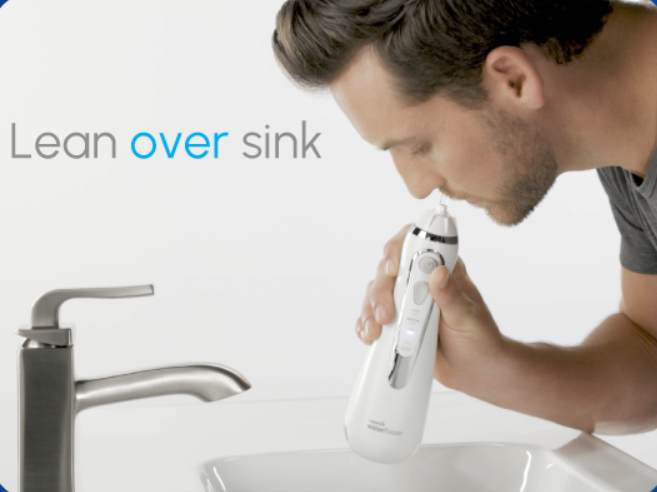
- Lean over the sink.
- Follow the gumline.
- Pause briefly between teeth.
- Empty and clean the device.
Repeat daily.
Over time, it becomes second nature.
The Science Behind Consistency
Oral bacteria never take a day off.
They multiply continuously.
Daily water flossing works because it disrupts this cycle before bacteria gain momentum.
Think of plaque as weeds in a garden.
Pull them early and the garden thrives.
Ignore them long enough, and they take over.
Daily maintenance keeps everything under control.
Conclusion
So, can you use a water flosser every day?
Yes—and for most people, you should.
Daily water flossing is a safe, effective, and convenient way to improve oral hygiene. It helps reduce plaque, supports healthier gums, removes food debris, and promotes fresher breath. Whether you have braces, implants, sensitive gums, or simply want a cleaner smile, incorporating a water flosser into your everyday routine can make a noticeable difference.
The secret isn’t using the highest pressure or spending ten minutes cleaning your teeth.
The secret is consistency.
Just a few minutes each day can help protect your smile for years to come.
Frequently Asked Questions
1. Is it safe to use a water flosser every day?
Yes. Daily use is generally safe and recommended for most individuals when using appropriate pressure settings.
2. Can a water flosser damage gums?
When used correctly, water flossers are gentle. Excessively high pressure or improper technique may cause temporary irritation.
3. Should I water floss before or after brushing?
Both methods work. Many people prefer flossing before brushing to allow toothpaste to reach more surfaces.
4. Can a water flosser replace regular floss?
It can supplement or replace floss for some users, but many dental professionals recommend combining both methods.
5. How many times a day should I use a water flosser?
Once daily is typically sufficient. Twice daily may benefit people with braces, implants, or specific oral health concerns.