
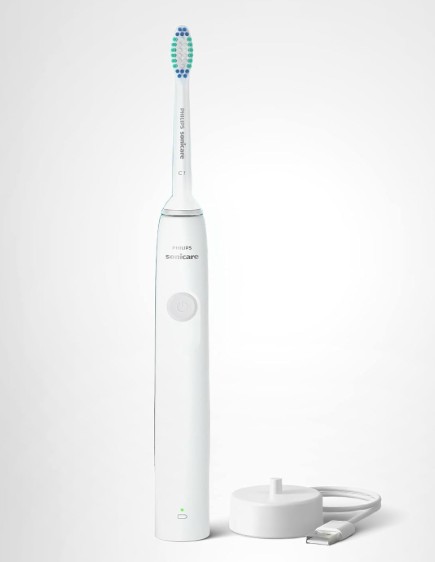
Why Replacing Your Sonicare Brush Head Matters
A Philips Sonicare toothbrush is designed to provide powerful plaque removal and support healthier gums. However, even the most advanced electric toothbrush can only perform at its best when the brush head is in good condition. Over time, bristles become worn, lose their shape, and become less effective at cleaning teeth and gumlines.
Think of your toothbrush head like the tires on a car. Even if the engine is running perfectly, worn tires reduce performance. The same principle applies to your Sonicare brush head.
Replacing it regularly helps maintain:
- Effective plaque removal
- Healthier gums
- Fresher breath
- Better brushing comfort
- Consistent cleaning performance
How Often Should You Replace a Philips Sonicare Toothbrush Head?
The general recommendation from Philips is to replace your Sonicare toothbrush head every three months when brushing twice a day for two minutes each session.
This three-month guideline exists because brush bristles gradually wear down with normal use. Even if the brush head still looks usable, microscopic wear can reduce its ability to remove plaque effectively.
If you follow a standard oral hygiene routine, replacing your brush head every 90 days will help ensure you continue receiving the full benefits of Sonicare technology.
Why Three Months Is the Ideal Replacement Schedule
After approximately three months of use, toothbrush bristles begin to lose their original shape and stiffness. This affects how well they can reach around teeth, along the gumline, and between small spaces where plaque tends to accumulate.
Using a fresh brush head provides:
- Better contact with tooth surfaces
- More effective plaque disruption
- Improved cleaning around the gums
- Enhanced overall brushing efficiency
Replacing the head on schedule helps maintain the cleaning performance you expect from a premium electric toothbrush.
Signs It’s Time to Replace Your Sonicare Brush Head
While three months is the standard recommendation, some brush heads may need replacing sooner. Here are the most common signs.
Faded Reminder Bristles
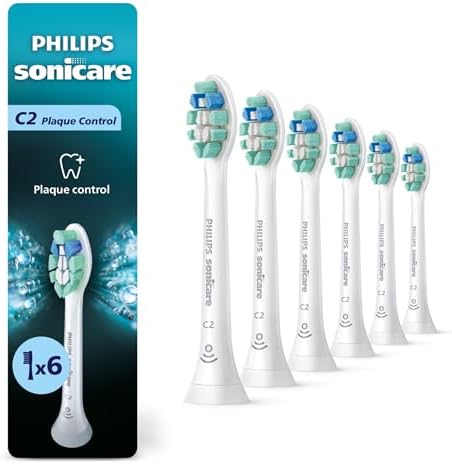
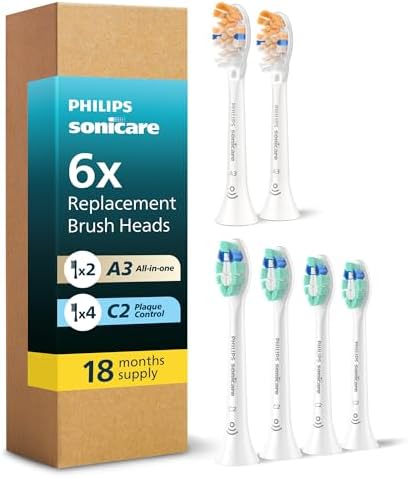
Many Philips Sonicare brush heads feature blue indicator bristles that gradually fade over time. Once these bristles become noticeably lighter, it usually means the brush head has reached the end of its useful life.
Frayed or Bent Bristles
If the bristles appear:
- Splayed outward
- Flattened
- Crooked
- Damaged
The brush head is no longer cleaning effectively and should be replaced.
Reduced Cleaning Performance
Your mouth often notices wear before your eyes do. If your teeth feel less smooth after brushing or plaque seems to build up more quickly, a worn brush head may be the cause.
BrushSync Replacement Alerts
Many modern Sonicare models include BrushSync technology. These smart toothbrushes monitor usage and notify you when it’s time to install a new brush head.
Factors That Can Affect Replacement Frequency
Not everyone uses a toothbrush the same way. Several factors can cause a brush head to wear out more quickly.
Brushing Pressure
Applying excessive force can damage bristles much faster. Sonicare toothbrushes are designed to do the work for you, so gentle pressure is usually all that’s required.
Brushing Frequency
If you brush more than twice per day, your brush head will naturally wear out sooner. People who brush after every meal may need to replace their brush heads every six to eight weeks.
Braces and Dental Work
Orthodontic appliances, implants, and other dental restorations can increase bristle wear due to the additional surfaces the brush head must clean.
Water Quality
Hard water can leave mineral deposits on the bristles, potentially reducing their effectiveness over time.
How Long Do Different Sonicare Brush Heads Last?
Most Philips Sonicare brush heads are designed to last approximately three months under normal use. This includes popular options such as:
Premium Plaque Control
Designed for maximum plaque removal and deep cleaning.
Optimal Gum Care
Focused on improving gum health while providing gentle cleaning.
Premium Gum Care
Features softer outer bristles that adapt to the contours of teeth and gums.
Sensitive Brush Heads
Ideal for people with sensitive teeth and gums who prefer a gentler brushing experience.
Regardless of the specific model, three months remains the standard replacement interval.
Can You Use a Sonicare Brush Head Longer Than Three Months?
You can, but it is generally not recommended.
Using a brush head beyond its intended lifespan can result in:
- Reduced plaque removal
- Less effective gum cleaning
- Increased bacterial buildup
- Lower overall brushing performance
Although extending usage may save money in the short term, it could potentially lead to more expensive dental issues in the future.
What Happens If You Don’t Replace Your Toothbrush Head?
Neglecting to replace your brush head can gradually reduce your oral hygiene effectiveness.
Potential consequences include:
- Increased plaque accumulation
- Higher cavity risk
- Greater chance of gum irritation
- Less efficient cleaning around teeth and gums
A worn brush head simply cannot perform as well as a fresh one.
How BrushSync Technology Makes Replacement Easier
BrushSync is one of the most useful features available on many Sonicare models.
This technology tracks:
- Brushing duration
- Brushing frequency
- Pressure levels
When the brush head reaches the end of its recommended lifespan, the handle provides a reminder notification.
This removes the guesswork and helps ensure optimal brushing performance year-round.
Tips to Extend the Life of Your Sonicare Brush Head
While replacement is inevitable, proper care can maximize the lifespan of each brush head.
Rinse Thoroughly After Brushing
Remove toothpaste and debris after every use.
Allow Proper Air Drying
Store your toothbrush upright in a well-ventilated area.
Avoid Excessive Pressure
Let the sonic vibrations do the cleaning instead of scrubbing aggressively.
Keep It Clean
Regularly inspect your brush head and handle connection area for buildup.
Should You Buy Genuine or Generic Sonicare Brush Heads?
Many third-party replacement heads are available, often at lower prices than genuine Philips options.
However, genuine Philips Sonicare brush heads generally offer:
- Better compatibility
- Consistent bristle quality
- BrushSync support
- Reliable performance
While generic heads can be suitable for some users, genuine replacements often provide the most consistent results.
Recommended Replacement Schedule Based on Usage
Here is a simple guide:
| User Type | Recommended Replacement |
|---|---|
| Standard Use (Twice Daily) | Every 3 Months |
| Heavy Use (3+ Times Daily) | Every 6–8 Weeks |
| Braces Wearers | Every 6–10 Weeks |
| Gum Disease Patients | Every 8–10 Weeks |
| Light Use | Every 3 Months |
Creating a Simple Replacement Routine
Staying on schedule is easy when you develop a system.
Try these steps:
- Install a new brush head.
- Record the installation date.
- Set a reminder for 90 days later.
- Keep spare brush heads available.
- Replace immediately when signs of wear appear.
This simple habit helps ensure consistent oral care.
The Cost of Replacing Brush Heads vs. Dental Treatment
A replacement brush head is relatively inexpensive compared to common dental procedures such as:
- Fillings
- Deep cleanings
- Crowns
- Gum treatments
Regular replacement is one of the easiest investments you can make in your oral health.

Final Thoughts
If you’re wondering how often you should change your Philips Sonicare toothbrush head, the answer is straightforward: every three months for most users.
This schedule helps maintain optimal plaque removal, supports healthy gums, and ensures your Sonicare toothbrush continues performing at its best. If you notice faded reminder bristles, fraying, reduced cleaning performance, or receive a BrushSync alert, replace the brush head sooner.
A fresh brush head may seem like a small change, but it can make a significant difference in your daily oral hygiene routine.
FAQs
How often should I replace my Philips Sonicare toothbrush head?
Most users should replace it every three months when brushing twice daily.
Can I use my Sonicare brush head for six months?
It is possible, but not recommended because cleaning effectiveness declines significantly after three months.
What are the signs that my brush head needs replacing?
Look for faded reminder bristles, frayed bristles, reduced cleaning performance, or BrushSync alerts.
Do Sonicare brush heads wear out faster if I brush more often?
Yes. More frequent brushing causes faster bristle wear and may require earlier replacement.
Are genuine Philips Sonicare brush heads worth it?
For most users, genuine brush heads provide the best compatibility, durability, and performance.