
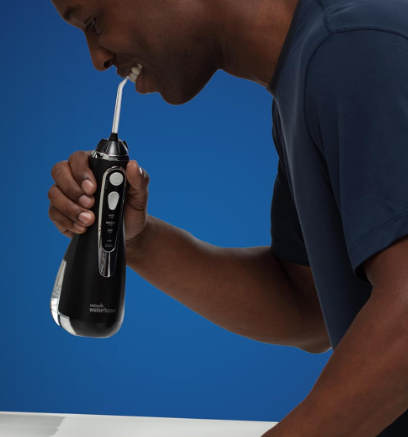
Good oral hygiene goes far beyond brushing twice a day. Even the most advanced toothbrush can struggle to remove food particles and plaque hidden between teeth and below the gumline. That’s where a water flosser enters the picture.
If you’ve recently purchased a Coslus Water Flosser—or you’re thinking about getting one—you may be wondering how to use it properly. The good news? It’s surprisingly simple. Once you learn the basics, using a water flosser can become one of the easiest and most satisfying parts of your daily routine.
In this comprehensive guide, we’ll walk through everything you need to know about how to use a Coslus Water Flosser, from setup and operation to maintenance and troubleshooting.
What Is a Coslus Water Flosser?
A Coslus Water Flosser is an oral care device that uses a pressurized stream of water to clean between teeth and along the gumline. Think of it as a miniature pressure washer designed specifically for your mouth.
Instead of relying solely on traditional string floss, the device flushes away:
- Food debris
- Plaque buildup
- Bacteria
- Particles trapped around braces
- Residue around dental implants
The result is a cleaner, fresher mouth with less effort.
Why Choose a Water Flosser Instead of Traditional Floss?
Many people struggle with conventional flossing. It can be time-consuming, uncomfortable, and difficult to do correctly.
A water flosser offers several advantages:
Benefits of Using a Coslus Water Flosser
- Easier for beginners
- Gentle on sensitive gums
- Reaches difficult areas
- Ideal for braces and retainers
- Helps reduce gum inflammation
- Leaves your mouth feeling exceptionally clean
While traditional floss remains effective, many users find that water flossing improves consistency because it’s easier and more enjoyable.
Understanding the Parts of a Coslus Water Flosser
Before using the device, it’s important to familiarize ourselves with its components.
Water Reservoir
The tank holds water that will be pumped through the nozzle.
Power Button
Used to turn the unit on and off.
Mode Selection Button
Allows you to switch between cleaning modes.
Nozzle Tip
Directs the water stream between teeth and along the gums.
Charging Port
Used to recharge the built-in battery.
How to Set Up Your Coslus Water Flosser for the First Time
First impressions matter, and proper setup ensures the best experience.
Step 1: Fully Charge the Device
Before first use:
- Connect the charger.
- Allow the battery to charge completely.
- Follow the charging recommendations provided with your model.
A full charge often provides several days or even weeks of use depending on frequency.
Step 2: Install the Nozzle
Insert the flosser tip firmly into the handle until it clicks into place.
Gently tug it to ensure it’s secured.
Step 3: Fill the Water Tank
Remove the reservoir cap and fill it with lukewarm water.
Avoid:
- Extremely hot water
- Boiling water
- Harsh chemicals
- Undiluted mouthwash
Lukewarm water is typically the most comfortable option.
Choosing the Right Water Pressure Mode
Most Coslus Water Flossers offer multiple pressure settings.
Soft Mode
Best for:
- Sensitive gums
- First-time users
- Gum irritation
Normal Mode
Ideal for everyday cleaning.
Provides a balanced combination of comfort and effectiveness.
Pulse Mode
Creates alternating pressure bursts.
Useful for:
- Deep cleaning
- Gum stimulation
- Enhanced plaque removal
Start with Soft Mode and gradually increase pressure as your gums adapt.
How to Use a Coslus Water Flosser Step by Step
Now let’s walk through the complete process.
Step 1: Fill the Reservoir
Use lukewarm water and fill the tank.
Step 2: Lean Over the Sink
This is important.
Water will flow out of your mouth during use, so positioning yourself over the sink prevents a mess.
Step 3: Place the Tip in Your Mouth
Close your lips slightly around the nozzle.
Leave enough space for water to escape naturally.
Step 4: Turn the Device On
Start on the lowest pressure setting.
Avoid pointing the tip directly at your face before activation unless you want an unexpected shower.
Step 5: Aim at the Gumline
Position the nozzle at a 90-degree angle to your gumline.
Move slowly from tooth to tooth.
Step 6: Pause Between Teeth
Spend about 2–3 seconds between each tooth.
This allows the water stream to flush out trapped debris effectively.
Step 7: Cover Both Front and Back Teeth
Work systematically:
- Upper outer teeth
- Upper inner teeth
- Lower outer teeth
- Lower inner teeth
Following a pattern helps avoid missing areas.
Step 8: Empty Remaining Water
After finishing, remove any leftover water from the tank.
The Best Technique for Maximum Cleaning
Technique matters more than pressure.
Move Slowly
Rushing defeats the purpose.
Allow the water stream time to clean each space thoroughly.
Follow the Gumline
Imagine tracing the outline of your gums with a small paintbrush.
This method ensures comprehensive cleaning.
Target Trouble Areas
Pay extra attention to:
- Crowded teeth
- Wisdom teeth
- Dental work
- Areas prone to plaque buildup
How Long Should You Use a Coslus Water Flosser?
Most sessions take:
- 60–120 seconds
For beginners:
- 2 minutes is perfectly normal
As you become more comfortable, you’ll develop an efficient routine.
Consistency matters far more than speed.
Should You Use a Water Flosser Before or After Brushing?
Many dental professionals recommend water flossing before brushing.
Why?
Because removing debris first allows toothpaste ingredients to reach more surfaces.
A practical routine might look like this:
- Water floss
- Brush teeth
- Use mouthwash if desired
However, the most important factor is simply using it regularly.
Using a Coslus Water Flosser with Braces
Braces create countless hiding spots for food particles.
Fortunately, water flossers excel in these situations.
Benefits for Orthodontic Patients
- Cleans around brackets
- Removes trapped food
- Reaches beneath wires
- Improves gum health
Move slowly around each bracket and wire for the best results.
Using a Coslus Water Flosser with Dental Implants
Dental implants require excellent oral hygiene.
A water flosser can help clean around:
- Implant crowns
- Implant bridges
- Implant-supported dentures
Use gentle pressure and focus carefully on the gumline surrounding the implant.
Using a Coslus Water Flosser for Sensitive Gums
Sensitive gums often improve with proper water flossing.
Helpful Tips
- Start with Soft Mode
- Use lukewarm water
- Avoid aggressive pressure
- Be consistent
Some minor bleeding may occur initially if your gums are inflamed. This often decreases as gum health improves.
If bleeding persists, consult a dental professional.
Can You Add Mouthwash to a Coslus Water Flosser?
Many users enjoy adding mouthwash for extra freshness.
If your model permits it:
- Mix mouthwash with water
- Use diluted solutions
- Clean the reservoir afterward
Avoid highly concentrated products that could leave residue.
Common Mistakes to Avoid
Even a simple device can be used incorrectly.
Starting with Maximum Pressure
High pressure can feel uncomfortable for beginners.
Rushing Through the Process
Cleaning too quickly reduces effectiveness.
Not Cleaning the Reservoir
A neglected water tank can accumulate buildup.
Skipping Daily Use
Consistency delivers the best results.
Ignoring Battery Maintenance
Recharge the device before it becomes completely depleted.
How Often Should You Use a Coslus Water Flosser?
For most people:
Recommended Frequency
- Once daily minimum
- Twice daily for enhanced care
Morning use provides freshness.
Evening use removes debris accumulated throughout the day.
How to Clean and Maintain Your Coslus Water Flosser
A well-maintained flosser performs better and lasts longer.
Daily Maintenance
After each use:
- Empty the tank
- Rinse the reservoir
- Dry external surfaces
Weekly Maintenance
Perform a deeper cleaning:
- Rinse internal components
- Clean nozzle openings
- Remove mineral buildup
Monthly Maintenance
Inspect:
- Nozzle condition
- Battery performance
- Water reservoir cleanliness
When Should You Replace the Flosser Tip?
Most users should replace tips every:
- 3–6 months
Replace sooner if you notice:
- Cracks
- Wear
- Reduced performance
Fresh tips maintain optimal cleaning efficiency.
Troubleshooting Common Problems
Weak Water Pressure
Possible causes:
- Low battery
- Clogged nozzle
- Empty reservoir
Device Won’t Turn On
Check:
- Charging status
- Power connection
- Button functionality
Water Leaking
Inspect:
- Reservoir seal
- Tip installation
- Tank closure
Most issues can be solved through basic maintenance.
How Long Does It Take to See Results?
Many users notice improvements quickly.
Within a Few Days
- Fresher breath
- Cleaner feeling teeth
Within Several Weeks
- Healthier gums
- Reduced bleeding
- Less plaque accumulation
Think of water flossing like watering a garden. Consistent care gradually transforms the landscape.
Who Should Use a Coslus Water Flosser?
Water flossers are beneficial for nearly everyone, especially:
- Adults
- Teenagers
- Orthodontic patients
- Implant users
- People with sensitive gums
- Individuals who dislike traditional floss
It’s one of the easiest upgrades we can make to our oral hygiene routine.
Final Thoughts on How to Use Coslus Water Flosser
Learning how to use a Coslus Water Flosser is remarkably straightforward. Once we understand the setup, pressure settings, and proper technique, the process becomes second nature. Like a gentle river carving a path through stone, the steady stream of water reaches places a toothbrush simply cannot.
The key is consistency. A minute or two each day can make a meaningful difference in gum health, freshness, and overall oral hygiene. Start with a low-pressure setting, move methodically around your mouth, and maintain the device properly.
Before long, you’ll likely wonder how you ever managed without it.
FAQs
1. Can I use a Coslus Water Flosser every day?
Yes. Daily use is recommended and helps maintain healthy gums and cleaner teeth.
2. Is a water flosser better than string floss?
Both can be effective. Many people find water flossers easier to use consistently.
3. Why do my gums bleed when I first use it?
Inflamed gums may bleed initially. Regular use often reduces bleeding over time.
4. Can children use a Coslus Water Flosser?
Older children can use it with supervision and appropriate pressure settings.
5. How much water should I put in the reservoir?
Fill the tank according to the manufacturer’s recommendations. Most users simply fill it completely before each session.