
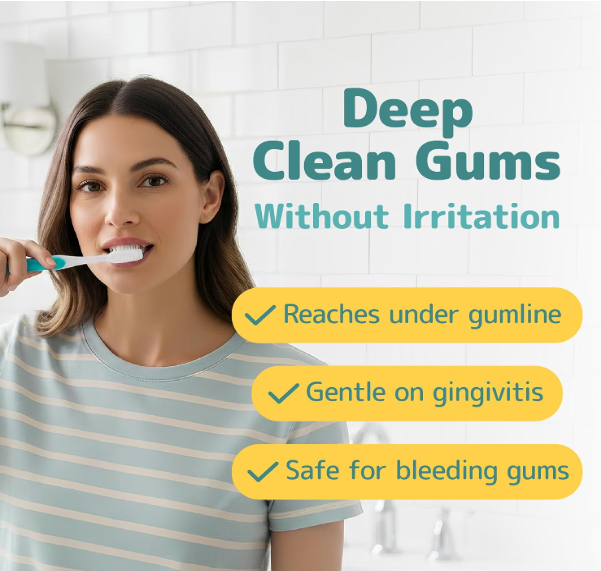
If brushing sometimes feels uncomfortable, cold water makes our teeth react, or our gums feel tender after cleaning, switching to a soft bristle toothbrush for sensitive teeth can make a surprisingly big difference.
The goal is not to scrub harder. In fact, when sensitivity is involved, gentler brushing is usually the smarter approach. The American Dental Association recommends brushing twice a day for two minutes with a soft-bristled toothbrush, using gentle pressure. Soft bristles can effectively remove plaque while reducing the risk of irritating the gums.
Fortunately, we do not have to settle for generic toothbrushes. There are several excellent soft and extra-soft toothbrushes available on Amazon.com specifically designed for sensitive teeth, delicate gums, gum recession, or people who simply prefer a gentler brushing experience.
Below, we look at some of the most interesting options, including products from Nimbus, Oral-B, Colgate, GUM, and MOUTHWATCHERS.


Best Soft Bristle Toothbrushes for Sensitive Teeth at a Glance
| Toothbrush | Bristle Type | Best For | Amazon.com ASIN |
|---|---|---|---|
| NIMBUS Extra Soft Toothbrush | Extra soft | Sensitive teeth and receding gums | B005LB75NI |
| Oral-B Gum Care Sensitive | Extra soft | Sensitive gums and compact brushing | B07XD5SW46 |
| Colgate Sensitive Expert | Ultra soft | Very sensitive teeth and gums | B0CFGBY7KL |
| GUM Technique Deep Clean | Soft tapered | Gumline and hard-to-reach areas | B07DG146HF |
| MOUTHWATCHERS Soft Flossing | Soft | Sensitive teeth plus interdental cleaning | B00AFWPVUC |
| Oral-B Pro-Health CrossAction All-in-One Soft | Soft | Everyday gentle cleaning | B01KZ6V00W |
Amazon listings, sellers, package sizes, and availability can change, so we recommend checking the ASIN before purchasing.
Why Use a Soft Bristle Toothbrush for Sensitive Teeth?
Sensitive teeth can make an everyday activity such as brushing uncomfortable.
Sensitivity may occur when dentin becomes exposed, when gums recede, when enamel becomes worn, or because of problems such as tooth decay, damaged fillings, cracked teeth, or gum disease. Persistent sensitivity should therefore be evaluated rather than simply ignored.
A soft toothbrush cannot fix the underlying cause of sensitivity, but it can help us avoid making things worse through overly aggressive brushing.
Soft bristles are useful because they allow us to clean:
- Around the gumline
- Across exposed root surfaces
- Between teeth
- Around crowns and restorations
- On sensitive enamel
without requiring heavy pressure.
The ADA specifically recommends soft bristles because they help minimize the risk of gingival abrasion.
Soft vs Extra Soft Toothbrush: Which Is Better?
Both can be excellent choices.
Soft Bristles
A regular soft toothbrush works well for most adults.
It gives us enough flexibility to clean around the gumline while still feeling relatively traditional. Someone moving from a medium toothbrush may find a standard soft brush easier to get used to than an ultra-soft model.
Extra-Soft Bristles
Extra-soft toothbrushes are particularly interesting when we have:
- Sensitive teeth
- Sensitive gums
- Receding gums
- Exposed tooth roots
- Tender gums
- A tendency to brush too aggressively
They generally feel noticeably gentler than standard soft brushes.
Ultra-Soft Bristles
Ultra-soft brushes contain very fine and often densely packed filaments.
They can feel almost completely different from a traditional toothbrush.
People experiencing substantial gum tenderness may prefer this design, although we still need to use proper brushing technique.
1. NIMBUS Extra Soft Toothbrushes
One of our favorite options for this particular search is the NIMBUS Extra Soft Toothbrush.
It is specifically marketed for people with sensitive teeth and receding gums, making it particularly relevant when we are looking for something gentler than the average supermarket toothbrush.
What Makes the Nimbus Toothbrush Different?
Nimbus uses tapered bristles rather than relying only on conventional rounded bristles.
The idea is to provide a very soft brushing sensation while allowing the thinner bristle tips to reach around the gumline.
This can be particularly comfortable if conventional soft toothbrushes still feel slightly too firm.
Who Should Consider the Nimbus Extra Soft?
We would consider it particularly suitable for:
- Tooth sensitivity
- Receding gums
- Sensitive gumlines
- Exposed roots
- People who tend to brush too aggressively
- Anyone wanting an extra-soft manual toothbrush
Nimbus also produces a compact-head version, which can be useful if reaching the back molars is difficult or if we simply prefer smaller toothbrush heads.
- EXTRA SOFT BRISTLES – The Nimbus Toothbrush uses Microfine Technology which utilizes two-levels of bristles to create un…
- DURABLE – Nimbus bristles absorb less water which allows the brush to maintain its shape longer than standard Nylon bris…
- INVENTED BY PERIODONTIST – These toothbrushes were designed to create the safest brushing experience for teeth and gums …
Possible Drawback
People accustomed to medium or firmer toothbrushes may initially feel that Nimbus is almost too soft.
That does not necessarily mean it is failing to clean. With a soft brush, our technique becomes more important than force.
2. Oral-B Gum Care Sensitive Toothbrush
Another strong option is the Oral-B Gum Care Sensitive Toothbrush.
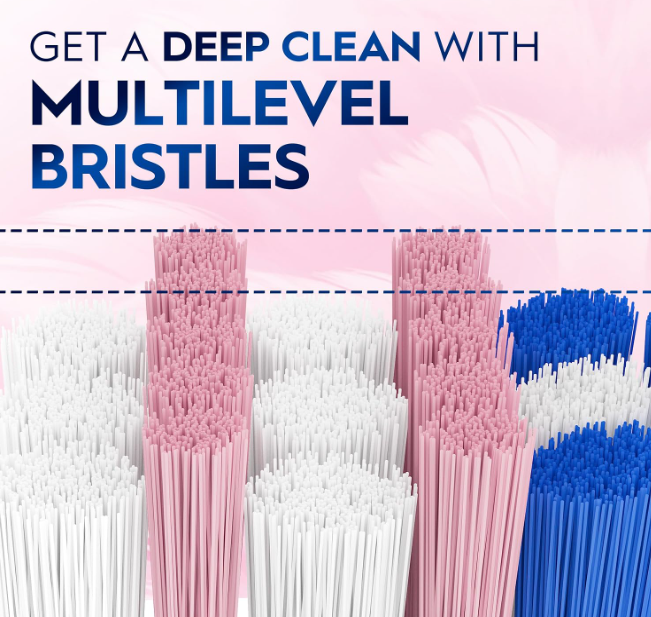
This toothbrush uses ultra-soft, multilevel bristles and a compact head designed to clean around the gumline while reaching between teeth.
Oral-B describes the brush as having ultra-soft bristles intended to gently clean along the gumline.
Why We Like It for Sensitive Teeth
The compact head is one of its main strengths.
Large toothbrush heads can sometimes encourage us to scrub several teeth simultaneously. A smaller head gives us greater control and makes it easier to concentrate on one small area at a time.
That can be especially useful around:
- Gum recession
- Crowded teeth
- Back molars
- Dental restorations
- Sensitive gumlines
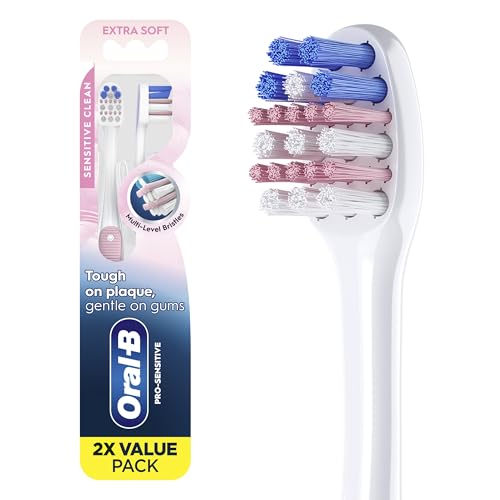
- Improves gum health in two weeks
- Compact head for superior reach
- Multilevel bristles for a deep clean
Best For
The Oral-B Gum Care Sensitive is a particularly good candidate if we want an extra-soft toothbrush from a major oral-care brand without moving to an unusual nano-bristle design.
3. Colgate Sensitive Expert Ultra Soft Toothbrush
The Colgate Sensitive Expert Ultra Soft Toothbrush is another toothbrush specifically developed with sensitivity in mind.
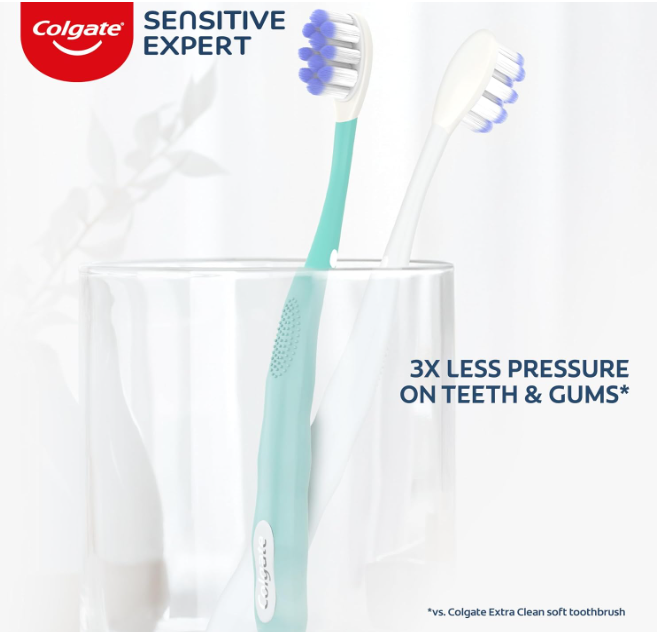
Colgate describes it as using dense, ultra-soft bristles designed to gently clean the teeth and gumline. The brush also incorporates a flexible neck.
What Stands Out?
The combination of:
- Ultra-soft bristles
- Dense bristle arrangement
- Flexible neck
- Sensitivity-focused design
makes it a good choice for someone who wants an extremely gentle brush but still prefers a familiar Colgate-style manual toothbrush.
Colgate states that the model contains three times more ultra-soft bristles than its Extra Clean Soft toothbrush and applies less pressure to the teeth and gums under its comparative testing.

- Includes two (2) Colgate Sensitive Expert Ultra Soft Toothbrushes, Extra Soft Toothbrushes for Adults
- This super soft toothbrush pack is specially designed for gum care and sensitive teeth with innovative ultra soft bristl…
- Contains 3X more ultra soft toothbrush bristles* for gentle and effective cleaning (*vs Colgate Extra Clean Soft toothbr…
Best For
We would particularly consider this model for:
- Very sensitive teeth
- Tender gums
- People transitioning away from harder toothbrushes
- Those who prefer densely packed bristles
4. GUM Technique Deep Clean Compact Soft Toothbrush
The GUM Technique Deep Clean approaches gentle brushing a little differently.
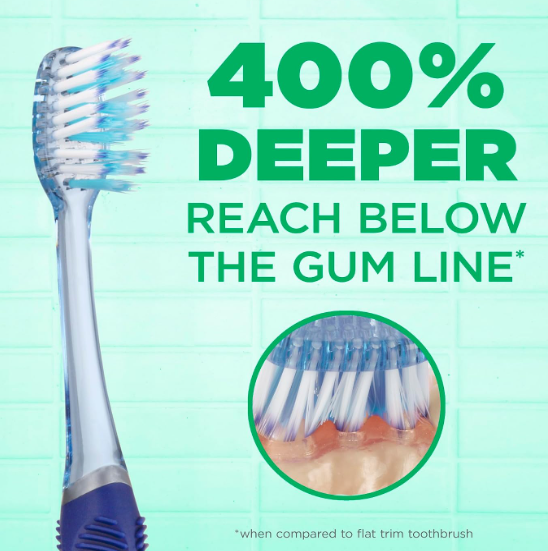
Instead of simply adding more very soft bristles, GUM uses ultra-fine tapered soft bristles designed to reach into difficult areas around and below the gumline.
The manufacturer also uses a Quad-Grip handle intended to encourage approximately a 45-degree brushing angle.
Why This Design Is Interesting
The gumline is an area where brushing technique matters enormously.
Holding our toothbrush around a 45-degree angle to the gums helps the bristles clean the area where teeth and gums meet.
The ADA also recommends positioning the toothbrush at approximately a 45-degree angle to the gums and using gentle, short strokes.
The GUM Technique Deep Clean’s handle can therefore be useful for people trying to develop better brushing habits.

- HEALTHIER TEETH & GUMS TECHNIQUE DEEP CLEAN 525R3: Our extra soft toothbrushes for adults remove dental plaque and preve…
- Compact Soft : The Compact Soft toothbrush comes with a compact head size for easy maneuverability and soft bristles tha…
- DEEP CLEANING : Get a deeper clean with the GUM Technique adult toothbrush. Our extra soft toothbrush features fine tape…
Best For
Consider it if we want:
- A compact toothbrush head
- Tapered bristles
- Better gumline access
- More control over brushing angle
- Soft rather than extremely soft bristles
5. MOUTHWATCHERS Soft Flossing Manual Toothbrush
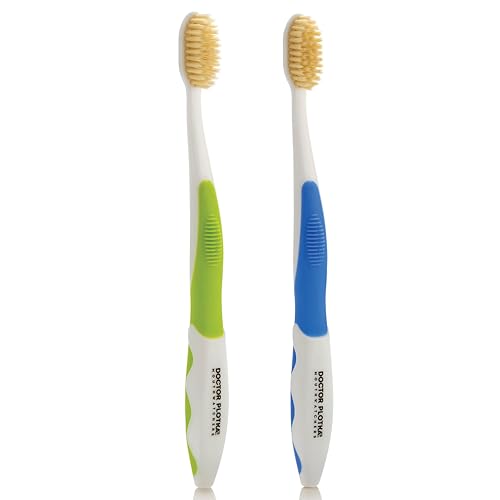
The MOUTHWATCHERS Soft Flossing Manual Toothbrush by Dr. Plotka’s is another interesting option available through Amazon.
The two-pack is sold under ASIN B00AFWPVUC, and current product tracking identifies it as an Amazon.com manual toothbrush for sensitive teeth and gums.
What Is a Flossing Toothbrush?
Despite the name, we should not assume it replaces dental floss.
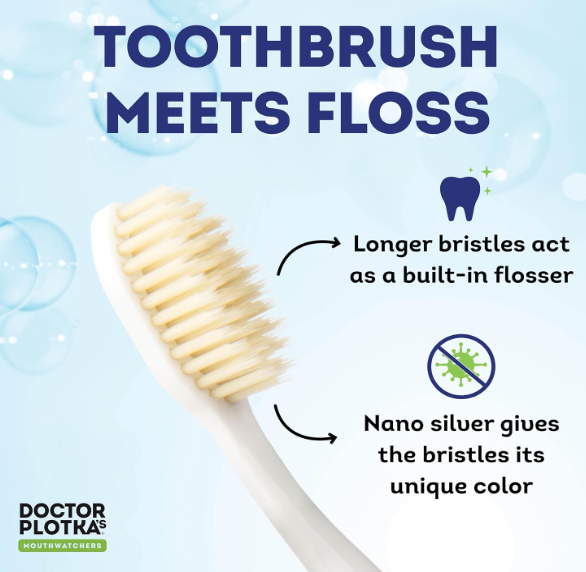
The toothbrush uses thin, layered bristles intended to reach deeper into small spaces and grooves than a conventional flat toothbrush.
That can provide a thorough cleaning sensation while keeping the brush relatively gentle.
But we still need to clean between our teeth separately.
The ADA recommends cleaning between teeth daily because toothbrush bristles cannot fully reach all interdental areas.
- SOFT BRISTLE TOOTHBRUSH WITH BUILT-IN FLOSSER: Experience a deeper clean with a toothbrush designed to do more. The soft…
- FLOSSING ACTION FOR A DEEPER CLEAN: Our innovative design features dual layered flossing bristles that reach deep into g…
- CRUELTY-FREE & NATURAL: Our toothbrushes are made with care, using safe, naturally sourced materials. We are proud to of…
Best For
The MOUTHWATCHERS model may suit us if we want:
- Soft bristles
- A deeper-cleaning sensation
- Sensitive-teeth compatibility
- Fine bristle tips
- A toothbrush that feels different from standard supermarket models
6. Oral-B Pro-Health CrossAction All-in-One Soft Toothbrush
Not everyone with tooth sensitivity needs an ultra-soft specialty toothbrush.
Sometimes a conventional soft toothbrush used correctly is all we need.
Its rounded soft bristles make it considerably closer to a traditional toothbrush than the Nimbus or ultra-dense Colgate Sensitive Expert.
Who Is It Best For?
We would choose this type of brush if our sensitivity is relatively mild and we mainly want to stop using medium or hard bristles.
It is also convenient for households that prefer multipacks.

- You will receive (6) Oral-B Pro Clean CrossAction toothbrushes
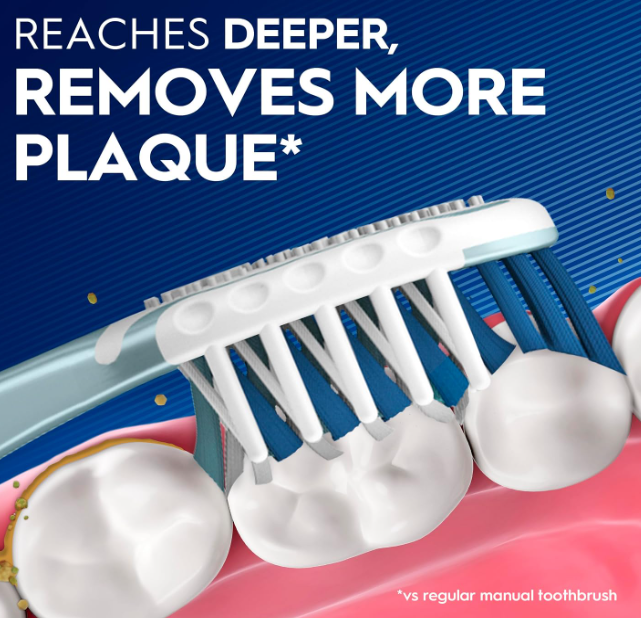
- Reaches deeper to remove more plaque between teeth* *vs. a regular manual toothbrush
- Power tip bristles reach deep providing a precision clean behind teeth
Which Soft Toothbrush Is Best for Very Sensitive Teeth?
For particularly sensitive teeth or delicate gums, our shortlist would start with:
NIMBUS Extra Soft, Colgate Sensitive Expert Ultra Soft, and Oral-B Gum Care Sensitive.
They approach sensitivity slightly differently.
Nimbus emphasizes tapered extra-soft bristles.
Colgate uses a very dense ultra-soft bristle design.
Oral-B combines ultra-soft bristles with a compact head.
The best choice often depends less on the brand and more on which head shape and bristle sensation encourage us to brush gently and consistently.
Best Soft Toothbrush for Receding Gums
For receding gums, the NIMBUS Extra Soft Toothbrush is particularly relevant because it is explicitly marketed for sensitive teeth and receding gums.
The compact Nimbus model can also be useful when we want precise control.
However, receding gums deserve professional attention.
Brushing with excessive pressure can contribute to gum trauma, but recession can also have other causes. Switching brushes may help us avoid additional irritation, but it does not replace a dental evaluation.
Best Toothbrush for Sensitive Gums
For sensitive gums, we particularly like designs that combine soft bristles with a smaller brush head.
Good examples include:
- Oral-B Gum Care Sensitive
- GUM Technique Deep Clean Compact
- Nimbus Compact Extra Soft
A smaller head can give us greater control around tender areas.
If our gums bleed regularly, we should not simply assume that the toothbrush is responsible. Bleeding can occur from brushing too hard, but it can also indicate gingivitis or other oral-health problems. The ADA recommends talking with a dentist if bleeding is frequent or concerning.
Are Extra-Soft Bristles Better Than Soft Bristles?
Not necessarily for everyone.
The ADA’s general recommendation is a soft-bristled toothbrush.
Extra-soft brushes can make sense when a standard soft toothbrush feels uncomfortable or when our dental professional recommends something gentler.
What matters most is avoiding aggressive scrubbing.
A soft toothbrush used with excessive pressure can still irritate the gums.
Can a Soft Toothbrush Clean Teeth Properly?
Yes.
One of the most persistent misconceptions about toothbrushes is that stronger bristles provide stronger cleaning.
Cleaning our teeth is primarily about disrupting plaque consistently and reaching the relevant surfaces.
We do not need stiff bristles to achieve that.
The ADA recommends soft bristles while still emphasizing effective brushing for two minutes twice per day.
Technique and consistency matter considerably more than trying to scrub stains away with force.
How to Brush Sensitive Teeth Correctly
Choosing a good toothbrush is only half the solution.
Our brushing technique matters just as much.
Use a 45-Degree Angle
Position the toothbrush at approximately a 45-degree angle toward the gumline.
This helps the bristles clean the junction between our teeth and gums.
Use Gentle Pressure
Do not flatten the bristles against the teeth.
If our toothbrush looks crushed after only a few weeks, we may be brushing too aggressively.
Brush for Two Minutes
We should brush for approximately two minutes twice per day.
Try dividing the mouth into four sections and spending about 30 seconds in each.
Clean Every Surface
Remember the:
- Outer surfaces
- Inner surfaces
- Chewing surfaces
- Back molars
- Gumline
The inside surfaces of the lower front teeth are especially easy to rush.
Pair the Toothbrush With Sensitivity Toothpaste
A gentle toothbrush works best as part of a complete sensitivity routine.
Depending on the cause of our sensitivity, a dentist may recommend toothpaste formulated for sensitive teeth.
Sensitivity toothpastes commonly contain ingredients designed to reduce sensitivity or protect exposed dentin.
Whatever toothpaste we choose, avoiding aggressive brushing is still important.
Using sensitivity toothpaste while continuing to scrub aggressively with stiff bristles defeats much of the purpose.
Do Not Brush Harder to Remove Stains
When we see staining, it can be tempting to press harder.
That is not a good strategy.
Coffee, tea, tobacco, and other substances can produce surface stains, but a toothbrush is not sandpaper.
Repeated aggressive brushing around the gumline can irritate gum tissue.
If staining is our main concern, it makes more sense to discuss appropriate whitening or professional cleaning options rather than switching to harder bristles.
Soft Bristle Toothbrush for Sensitive Teeth After Dental Work
Our mouth can temporarily become more sensitive after certain dental treatments.
If the gums feel tender, a soft or extra-soft brush may make the cleaning process more comfortable.
After periodontal deep cleaning, for example, temporary tooth sensitivity and gum tenderness can occur. Maintaining good home care remains important, including brushing with a soft toothbrush.
However, we should always follow the specific instructions given by our dentist after treatment.
How Often Should We Replace a Soft Toothbrush?
The ADA recommends replacing a toothbrush approximately every three to four months, or sooner if the bristles become visibly matted or frayed.
We should replace ours sooner when the bristles:
- Bend outward
- Become flattened
- Lose their original shape
- Become noticeably worn
Interestingly, if our bristles begin looking destroyed after just a few weeks, the problem may not be the toothbrush.
We may simply be pressing too hard.
How to Choose the Right Soft Toothbrush on Amazon
Amazon gives us dozens of options, but we do not need to overcomplicate the decision.
Check Bristle Firmness
Look specifically for:
- Soft
- Extra soft
- Ultra soft
Avoid assuming that a brush labeled “deep clean” automatically has gentle bristles.
Consider Head Size
A compact head can make it easier to reach the back teeth and control pressure.
Check the Exact Model
Brands frequently sell several toothbrushes with extremely similar packaging.
Checking the ASIN can prevent us from accidentally purchasing a medium-bristle version of a product we intended to buy in soft.
Do Not Choose Based Only on Bristle Count
A toothbrush advertising 10,000 or 20,000 bristles may feel extremely soft, but the highest bristle count is not automatically the best toothbrush.
Comfort, control, durability, head shape, and our brushing technique matter too.
Our Top Picks by Situation
If we wanted a simple way to narrow everything down, we would use the following approach.
For very sensitive teeth:
Colgate Sensitive Expert Ultra Soft.
For sensitive teeth and receding gums:
NIMBUS Extra Soft.
For sensitive gums:
Oral-B Gum Care Sensitive.
For precise gumline cleaning:
GUM Technique Deep Clean Compact.
For fine flossing-style bristles:
MOUTHWATCHERS Soft Flossing.
For a conventional everyday soft toothbrush:
Oral-B Pro-Health CrossAction All-in-One Soft.
There is no single toothbrush that works perfectly for every mouth. The best option is the one that lets us thoroughly clean our teeth without encouraging excessive pressure.
When Tooth Sensitivity Needs a Dentist
A new toothbrush may make brushing more comfortable, but persistent sensitivity should not simply be covered up.
Sensitive teeth can sometimes be associated with:
- Gum recession
- Exposed roots
- Enamel wear
- Tooth decay
- Cracked teeth
- Worn fillings
- Gum disease
The appropriate treatment depends on the cause.
If one specific tooth suddenly becomes extremely sensitive, pain is severe, sensitivity continues for a long time after hot or cold exposure, or we experience swelling or spontaneous tooth pain, getting a dental evaluation is more important than trying another toothbrush.
Final Thoughts: What Is the Best Soft Bristle Toothbrush for Sensitive Teeth?
Finding a good soft bristle toothbrush for sensitive teeth does not mean sacrificing effective cleaning.
In fact, gentler brushing is usually a better long-term strategy than aggressive scrubbing.
Among the real options available on Amazon.com, the NIMBUS Extra Soft Toothbrush stands out for people dealing with sensitive teeth and receding gums, while the Colgate Sensitive Expert Ultra Soft offers an extremely gentle, densely packed bristle design.
The Oral-B Gum Care Sensitive is another excellent option when gum sensitivity is our primary concern, and the GUM Technique Deep Clean Compact works particularly well when we want more precise control around the gumline.
For something a little different, the MOUTHWATCHERS Soft Flossing Toothbrush combines soft bristles with thin flossing-style tips.
Ultimately, we should focus on three things: soft bristles, gentle pressure, and good technique.
Those factors matter far more than trying to clean our teeth as aggressively as possible.
Frequently Asked Questions
What is the best soft bristle toothbrush for sensitive teeth?
The NIMBUS Extra Soft, Colgate Sensitive Expert Ultra Soft, Oral-B Gum Care Sensitive, GUM Technique Deep Clean, and MOUTHWATCHERS Soft Flossing are all strong options. Which one works best depends on whether our main concern is tooth sensitivity, gum tenderness, gum recession, or reaching difficult areas.
Should I use soft or extra-soft bristles for sensitive teeth?
Most people can use soft bristles successfully. Extra-soft or ultra-soft bristles may be more comfortable if conventional soft toothbrushes still cause discomfort or if our dentist recommends a gentler option.
Can hard toothbrushes make sensitive teeth worse?
Aggressive brushing and excessive pressure can irritate gums and contribute to gingival injury. The ADA recommends a soft-bristled toothbrush and gentle pressure rather than harder brushing.
Are ultra-soft toothbrushes effective at removing plaque?
Ultra-soft bristles can remove plaque when we brush thoroughly and use proper technique. Extremely soft bristles do not mean we should compensate by pressing harder. Consistent two-minute brushing and cleaning all tooth surfaces are more important.
How often should I change a soft toothbrush?
Replace a manual toothbrush approximately every three to four months, or sooner when the bristles become frayed, flattened, or matted.