
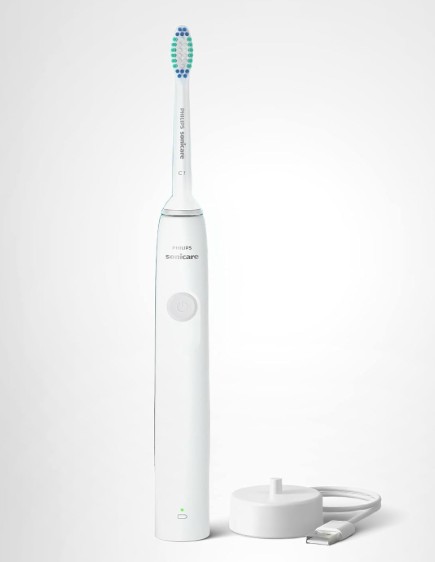
A Philips Sonicare toothbrush is one of the most effective tools we can use to maintain healthy teeth and gums. Its powerful sonic technology sweeps away plaque, reaches difficult areas, and delivers a cleaning experience that often feels like a professional dental appointment at home. But even the most advanced electric toothbrush has a weak point: the brush head.
Many people invest in a premium Sonicare toothbrush yet forget that the brush head itself wears out over time. Using a worn brush head is like trying to sweep your floor with a broom that’s missing half its bristles—it simply won’t perform as intended.
So, when should you replace your Philips Sonicare toothbrush head? The short answer is every three months. However, there is much more to the story. Factors such as brushing habits, pressure, oral health conditions, and brush head type can all influence replacement timing.
Let’s explore everything you need to know.
Why Replacing Your Sonicare Brush Head Matters
Most people focus on the toothbrush handle because it’s the expensive part. Yet the brush head is where all the action happens.
The bristles gradually wear down from daily use. As they bend, fray, and soften, they become less effective at removing plaque and bacteria.
When this happens, you may experience:
- Reduced cleaning performance
- More plaque accumulation
- Increased risk of cavities
- Gum irritation
- Less effective stain removal
- Poor overall oral hygiene
Think of a brush head like a car tire. Even the most powerful vehicle won’t perform properly if the tires are worn out.
H2: The Official Recommendation for Philips Sonicare Brush Head Replacement
Philips generally recommends replacing Sonicare brush heads every three months.
This recommendation aligns with guidance from dental professionals worldwide.
After approximately 90 days of regular use:
- Bristles begin losing their shape
- Cleaning efficiency decreases
- Plaque removal becomes less effective
- Wear becomes noticeable even if it isn’t obvious visually
For most users, replacing the brush head every three months provides optimal results.
H2: How Long Does a Philips Sonicare Brush Head Actually Last?
The lifespan depends on several factors.
H3: Typical Lifespan
Under normal circumstances:
| Usage Pattern | Expected Lifespan |
|---|---|
| Twice daily brushing | 3 months |
| Heavy brushing pressure | 1–2 months |
| Three times daily brushing | 2–3 months |
| Occasional use | Up to 4 months |
The average user falls within the three-month recommendation.
H2: Signs It’s Time to Replace Your Sonicare Toothbrush Head
Even if three months haven’t passed, certain warning signs indicate it’s time for a replacement.
H3: Bristles Are Frayed
This is the easiest sign to spot.
Healthy bristles should appear:
- Straight
- Firm
- Uniform
Worn bristles often look:
- Bent outward
- Ragged
- Uneven
Once bristles begin resembling a wild hairstyle after a windy day, replacement is due.
H3: The Brush Feels Less Effective
Sometimes the brush head looks fine but feels different.
You may notice:
- Less smooth cleaning
- Reduced plaque removal
- Teeth don’t feel as polished
Trust your experience. If your mouth doesn’t feel as clean after brushing, the brush head may be nearing retirement.
H3: Indicator Bristles Have Faded
Many Philips Sonicare brush heads include blue indicator bristles.
These fade over time.
When the blue color becomes significantly lighter or nearly disappears, it’s a clear signal that replacement is needed.
This feature acts like a built-in maintenance reminder.
H3: Increased Gum Sensitivity
Worn bristles can become rough and irregular.
This may lead to:
- Gum irritation
- Minor discomfort
- Inconsistent brushing pressure
A fresh brush head often restores a gentler brushing experience.
H2: Understanding Philips Sonicare BrushSync Technology
Modern Sonicare models often feature BrushSync technology.
This intelligent system tracks:
- Brushing frequency
- Brushing duration
- Brush head usage
H3: How BrushSync Works
The toothbrush handle communicates with the brush head.
After enough usage accumulates, the handle may:
- Flash an indicator light
- Display a reminder
- Notify you through an app
It’s like having a tiny dental assistant monitoring your brush head’s performance.
H3: Is BrushSync Always Accurate?
BrushSync provides a useful estimate.
However, it doesn’t physically inspect your bristles.
Always combine technology with visual inspection.
If bristles are worn before the reminder appears, replace the head immediately.
H2: What Happens If You Don’t Replace Your Sonicare Brush Head?
Many users stretch brush head usage to save money.
While understandable, this can be counterproductive.
H3: Reduced Plaque Removal
Research consistently shows that fresh bristles remove more plaque than worn ones.
As bristles lose their shape:
- Cleaning becomes less thorough
- Hard-to-reach areas remain dirty
- Plaque accumulates more easily
H3: Increased Risk of Oral Health Problems
Using an old brush head may contribute to:
- Gingivitis
- Tooth decay
- Bad breath
- Tartar buildup
Replacing a brush head costs far less than treating dental issues.
H3: Lower Value From Your Sonicare Toothbrush
A premium electric toothbrush delivers maximum performance only when paired with a fresh brush head.
Ignoring replacement is similar to installing old windshield wipers on a luxury car.
H2: Different Sonicare Brush Heads and Their Replacement Schedule
Not all Sonicare heads are identical.
H3: Plaque Control Heads
Designed for:
- Daily cleaning
- Plaque removal
Recommended replacement:
- Every 3 months
H3: Gum Care Heads
Designed for:
- Sensitive gums
- Gentle cleaning
Recommended replacement:
- Every 3 months
H3: Whitening Brush Heads
Designed for:
- Surface stain removal
- Polishing teeth
Recommended replacement:
- Every 3 months
Because whitening bristles often work harder, monitoring wear is especially important.
H3: Sensitive Brush Heads
Designed for:
- Delicate gums
- Sensitive teeth
Recommended replacement:
- Every 2–3 months
Their softer bristles may wear more quickly.
H2: Factors That Cause Faster Brush Head Wear
Some users notice brush heads deteriorating before the three-month mark.
Why?
H3: Brushing Too Hard
This is the biggest culprit.
Excessive pressure causes:
- Bristle bending
- Faster wear
- Gum damage
Remember: Sonicare technology does the work for us.
We don’t need to scrub aggressively.
H3: Longer Brushing Sessions
Brushing longer than recommended can accelerate wear.
Dentists generally suggest:
- Two minutes
- Twice daily
Consistently brushing far beyond that increases bristle fatigue.
H3: Grinding or Clenching Teeth
People who grind their teeth may unintentionally wear brush heads faster.
The additional friction can shorten lifespan significantly.
H3: Improper Storage
Brush heads should dry completely between uses.
Constant moisture encourages:
- Bacterial growth
- Material degradation
- Faster deterioration
H2: How to Extend the Life of Your Sonicare Brush Head
Although replacement is inevitable, we can maximize lifespan.
H3: Use Gentle Pressure
Let sonic vibrations perform the cleaning.
Guide the brush rather than scrubbing.
H3: Rinse Thoroughly After Use
Remove:
- Toothpaste residue
- Food particles
- Debris
Clean bristles last longer.
H3: Store Upright
Allow the brush head to air dry naturally.
Good airflow reduces moisture buildup.
H3: Avoid Sharing Brush Heads
Sharing can spread bacteria and accelerate wear.
Every user should have their own dedicated brush head.
H2: Can You Use a Sonicare Brush Head Longer Than Three Months?
Technically, yes.
Should you? Usually not.
Many users continue using brush heads for:
- Four months
- Five months
- Even six months
The problem is that cleaning effectiveness gradually declines.
It’s like driving on tires with worn tread. The vehicle still moves, but performance and safety suffer.
H2: How Often Should Children Replace Sonicare Brush Heads?
Children should generally follow the same three-month schedule.
However, younger users often:
- Chew bristles
- Brush aggressively
- Damage brush heads faster
Parents should inspect brush heads regularly.
In some cases, replacement may be necessary every six to eight weeks.
H2: Are Genuine Philips Sonicare Brush Heads Worth It?
Many third-party options are available.
H3: Advantages of Genuine Brush Heads
They typically offer:
- Better fit
- Consistent performance
- BrushSync compatibility
- Reliable bristle quality
H3: Potential Issues With Generic Alternatives
Some generic heads may have:
- Lower-quality bristles
- Faster wear
- Reduced cleaning effectiveness
While some alternatives perform well, quality can vary significantly.
H2: How to Remember When to Replace Your Sonicare Brush Head
Life gets busy.
Fortunately, there are several simple solutions.
H3: Use BrushSync Notifications
If your toothbrush supports BrushSync, enable reminders.
H3: Set Calendar Alerts
Create a recurring reminder every three months.
H3: Replace With the Seasons
A simple strategy is:
- Spring
- Summer
- Autumn
- Winter
Every season change signals a new brush head.
Easy to remember and surprisingly effective.
H2: Comparing a New Brush Head vs an Old One
The difference can be dramatic.
H3: New Brush Head Benefits
A fresh brush head provides:
- Stronger plaque removal
- Better gum care
- Improved comfort
- Enhanced polishing action
- Greater cleaning confidence
H3: Old Brush Head Drawbacks
A worn brush head may cause:
- Incomplete cleaning
- Plaque retention
- Dull-feeling teeth
- Reduced brushing satisfaction
Many users are surprised by how different their Sonicare feels after installing a new head.
H2: The Cost of Replacing Brush Heads vs Dental Treatment
Let’s put things into perspective.
Replacing brush heads regularly might cost a modest amount each year.
Ignoring replacement could contribute to:
- Fillings
- Deep cleanings
- Gum treatments
- More expensive dental procedures
Viewed this way, replacement is an investment rather than an expense.
H2: Best Practices for Maintaining Optimal Sonicare Performance
To get the most from your toothbrush:
- Brush twice daily.
- Follow the two-minute timer.
- Use gentle pressure.
- Rinse thoroughly after brushing.
- Store upright.
- Monitor bristle wear.
- Replace every three months.
These simple habits help ensure consistent oral health results.
Conclusion
Knowing when to replace a Philips Sonicare toothbrush head is one of the easiest yet most important steps in maintaining excellent oral hygiene. While the standard recommendation is every three months, the actual timing can vary based on brushing habits, pressure, and brush head condition.
The best approach combines common sense with routine monitoring. Watch for faded indicator bristles, fraying, reduced cleaning performance, and BrushSync reminders. By replacing your brush head on time, you’ll keep your Sonicare operating at peak performance and give your teeth and gums the care they deserve.
Think of a fresh brush head as a fresh start for your smile. It’s a small change that can make a surprisingly big difference.
Frequently Asked Questions
FAQ 1: Can I replace my Philips Sonicare brush head before three months?
Absolutely. If the bristles are frayed, damaged, or worn, replace the brush head immediately, even if three months haven’t passed.
FAQ 2: How do I know if my Sonicare brush head is worn out?
Look for faded indicator bristles, bent or frayed bristles, reduced cleaning performance, and BrushSync replacement notifications.
FAQ 3: Is it bad to use a Sonicare brush head for six months?
While it may still function, cleaning effectiveness is significantly reduced. Most dental professionals recommend replacement every three months.
FAQ 4: Do all Philips Sonicare brush heads last the same amount of time?
Most are designed for approximately three months of use, although softer brush heads may wear faster depending on brushing habits.
FAQ 5: Can worn brush heads damage gums?
Yes. Frayed or uneven bristles may irritate gums and provide less effective cleaning, potentially contributing to oral health issues.