
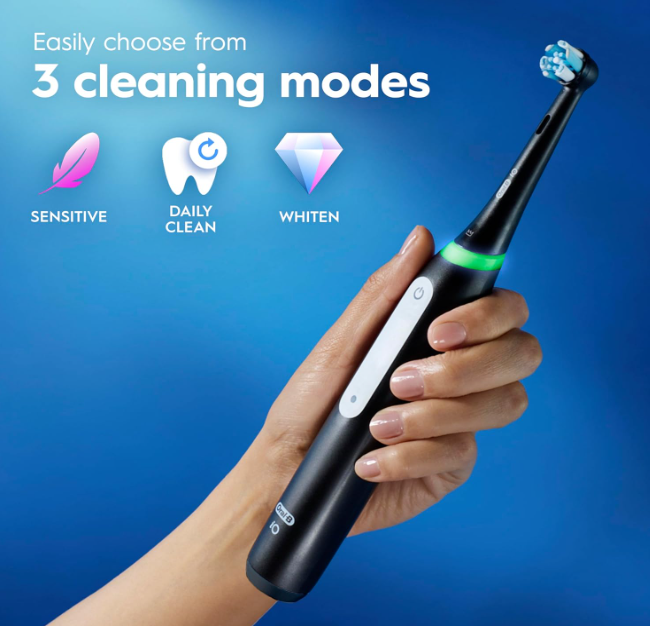
The Oral-B iO Series 3 has quickly become one of the most popular electric toothbrushes for people who want premium cleaning performance without paying for every advanced feature available in the iO lineup. While the brush itself is easy to use, many owners find themselves wondering what the different cleaning modes actually do and which one they should use every day.
The good news is that the Oral-B iO 3 keeps things simple. Instead of overwhelming users with a long list of settings, it focuses on three carefully designed brushing modes that cover the needs of most people: Daily Clean, Sensitive, and Whitening.
Each mode serves a different purpose. One is designed for everyday plaque removal, another prioritizes comfort for sensitive teeth and gums, and the third focuses on polishing away surface stains. Understanding these settings can help you get better results from every brushing session and improve your overall oral health.
In this comprehensive guide, we’ll explore how each Oral-B iO 3 mode works, who should use it, and how to build the ideal brushing routine around these settings.
Understanding the Oral-B iO 3 Technology
Before diving into the individual modes, it’s important to understand what makes the Oral-B iO 3 different from traditional electric toothbrushes.
The iO Series combines Oral-B’s iconic round brush head with magnetic drive technology. This system transfers energy more efficiently from the handle to the brush head, creating smooth micro-vibrations that enhance cleaning performance while maintaining comfort.
Unlike a manual toothbrush, which relies entirely on your hand movements, the iO 3 performs thousands of cleaning actions every minute. These movements help remove plaque from difficult-to-reach areas while gently polishing tooth surfaces.
Some of the standout features include:
- Three brushing modes
- Smart pressure sensor
- Two-minute brushing timer
- Rechargeable battery
- iO magnetic drive technology
- Compatibility with Oral-B iO brush heads
The brushing modes are what allow users to customize this technology to suit their individual needs.
Why Brushing Modes Matter
Many people assume that all toothbrush settings perform the same task. However, brushing modes significantly influence how the toothbrush behaves during use.
Think of brushing modes like driving modes in a modern vehicle.
A car may have Eco Mode, Comfort Mode, and Sport Mode. The vehicle remains the same, but the driving experience changes dramatically depending on the selected setting.
The same principle applies to the Oral-B iO 3.
The toothbrush adjusts its cleaning intensity and vibration pattern to create different brushing experiences that target specific oral care goals.
The three available modes are:
- Daily Clean Mode
- Sensitive Mode
- Whitening Mode
Let’s explore each one in detail.
Daily Clean Mode Explained
Daily Clean Mode is the standard setting and the mode most people will use the majority of the time.
When you turn on your Oral-B iO 3, this is typically the default cleaning mode.
Its primary purpose is to provide a balanced combination of cleaning power, plaque removal, and comfort.
How Daily Clean Mode Works
Daily Clean Mode uses the full capabilities of the toothbrush to remove plaque and food particles from the surfaces of teeth and along the gumline.
The brush head oscillates, rotates, and vibrates at a level designed to maximize cleaning efficiency without becoming uncomfortable.
This setting focuses on maintaining oral health through consistent plaque disruption.
Benefits of Daily Clean Mode
Daily Clean Mode offers several advantages:
- Strong plaque removal performance
- Excellent everyday cleaning
- Balanced comfort and power
- Suitable for long-term use
- Effective gumline cleaning
For most users, Daily Clean Mode will deliver everything needed for healthy teeth and gums.
Who Should Use Daily Clean Mode?
This setting is ideal for:
- Adults with healthy teeth
- Users without sensitivity issues
- Daily morning brushing
- Daily evening brushing
- Long-term oral maintenance
If you are unsure which mode to select, Daily Clean is generally the safest choice.
When Daily Clean Mode Works Best
Daily Clean Mode excels in routine situations.
For example, after breakfast, it effectively removes food debris and plaque buildup that develops overnight.
Before bed, it helps eliminate the bacteria and residue accumulated throughout the day.
Many dentists would recommend Daily Clean Mode as the foundation of an effective oral hygiene routine.
Sensitive Mode Explained
Sensitive Mode is specifically designed for people who experience discomfort while brushing.
Sensitive teeth and gums can make oral hygiene challenging. If brushing causes pain, many individuals may rush through the process or avoid brushing certain areas altogether.
Sensitive Mode addresses this issue by providing a gentler cleaning experience.
How Sensitive Mode Works
Sensitive Mode reduces the intensity of the toothbrush’s oscillations and micro-vibrations.
The brush still cleans effectively, but it does so with less force.
This softer approach helps minimize irritation while preserving cleaning performance.
What Sensitive Mode Feels Like
Compared to Daily Clean Mode, Sensitive Mode feels:
- Smoother
- Softer
- Less aggressive
- More comfortable around gum tissue
Many first-time electric toothbrush users appreciate this setting because it makes the transition from manual brushing easier.
Benefits of Sensitive Mode
Sensitive Mode provides several key benefits:
- Increased comfort
- Reduced gum irritation
- Less pressure on exposed roots
- Better brushing experience for sensitive users
- Gentle care after dental procedures
For some users, this mode can transform brushing from an uncomfortable task into a pleasant routine.
Who Should Use Sensitive Mode?
Sensitive Mode is especially useful for people who have:
Sensitive Teeth
If hot, cold, sweet, or acidic foods cause discomfort, Sensitive Mode may help reduce brushing-related irritation.
Sensitive Gums
People with inflamed or delicate gums often find this setting more comfortable.
Gum Recession
Exposed tooth roots can be extremely sensitive.
The gentler cleaning action helps protect these vulnerable areas.
Recent Dental Work
After procedures such as deep cleaning or gum treatment, Sensitive Mode can provide a more comfortable brushing experience.
New Electric Toothbrush Users
Individuals switching from a manual toothbrush may initially find electric brushing intense. Sensitive Mode offers a smoother introduction.
Whitening Mode Explained
Whitening Mode focuses on improving the appearance of your smile by targeting surface stains.
Over time, everyday habits can cause discoloration.
Common stain-causing substances include:
- Coffee
- Tea
- Red wine
- Tobacco
- Dark-colored foods
Whitening Mode helps address these cosmetic concerns.
How Whitening Mode Works
This setting modifies the brushing pattern to provide enhanced polishing action.
The toothbrush concentrates on removing superficial stains from enamel surfaces.
While the underlying tooth color remains unchanged, cleaner enamel can appear brighter and more vibrant.
Benefits of Whitening Mode
Whitening Mode offers several advantages:
- Improved stain removal
- Enhanced enamel polishing
- Brighter-looking teeth
- Support for whitening toothpaste
- Improved smile appearance
Many users notice gradual improvements after consistent use.
What Whitening Mode Cannot Do
It’s important to have realistic expectations.
Whitening Mode does not:
- Bleach teeth
- Change natural enamel color
- Replace professional whitening treatments
- Remove deep internal discoloration
Instead, it focuses on eliminating stains that accumulate on the tooth surface.
Who Should Use Whitening Mode?
This setting is ideal for:
- Coffee drinkers
- Tea drinkers
- Smokers
- Wine enthusiasts
- Anyone wanting a brighter smile
Many users alternate between Daily Clean and Whitening Mode throughout the week.
Comparing the Three Oral-B iO 3 Modes
Understanding the differences between the modes makes choosing the right one easier.
| Mode | Cleaning Intensity | Comfort Level | Primary Purpose |
|---|---|---|---|
| Daily Clean | High | Medium | Everyday plaque removal |
| Sensitive | Moderate | High | Gentle cleaning |
| Whitening | High | Medium | Surface stain removal |
Each mode excels in a specific area.
Which Oral-B iO 3 Mode Is Best?
There is no universal answer because every mouth is different.
However, most users can follow these guidelines:
Best Overall Mode
Daily Clean Mode offers the most balanced performance.
Best for Sensitive Teeth
Sensitive Mode provides maximum comfort.
Best for Appearance
Whitening Mode delivers the strongest stain-removal benefits.
The ideal choice depends on your personal oral health goals.
Creating the Perfect Brushing Routine
One of the best ways to use the Oral-B iO 3 is to combine modes strategically.
Sample Routine
Morning:
- Daily Clean Mode
Evening:
- Daily Clean Mode
Two or Three Times Weekly:
- Whitening Mode
During Sensitivity Flare-Ups:
- Sensitive Mode
This balanced approach addresses oral health and cosmetic concerns simultaneously.
The Importance of the Smart Pressure Sensor
The Oral-B iO 3 includes a pressure sensor that helps protect your teeth and gums.
Many people believe brushing harder produces better results.
In reality, excessive pressure can lead to:
- Gum recession
- Enamel wear
- Tooth sensitivity
- Gum irritation
The pressure sensor helps ensure you’re brushing effectively without causing damage.
Choosing the Right Brush Head
Brushing mode is only one part of the equation.
The brush head also influences your results.
Ultimate Clean Brush Head
Ideal for maximum plaque removal.
Gentle Care Brush Head
Perfect for sensitive gums.
Radiant White Brush Head
Designed to complement Whitening Mode.
Matching the correct brush head with the appropriate mode can enhance performance significantly.
Common Mistakes Users Make
Even with an advanced toothbrush, mistakes can reduce effectiveness.
Brushing Too Hard
Let the toothbrush do the work.
Ignoring Sensitive Mode
Many users tolerate unnecessary discomfort.
Using Whitening Mode Exclusively
Daily Clean should remain the foundation of your routine.
Replacing Brush Heads Too Late
Worn bristles clean less effectively.
Tips for Getting the Best Results
To maximize your Oral-B iO 3 experience:
- Brush twice daily
- Complete the full two-minute timer
- Replace brush heads every three months
- Use fluoride toothpaste
- Floss regularly
- Visit your dentist routinely
Consistency often matters more than any individual brushing mode.
How the Oral-B iO 3 Compares to Higher Models
Premium Oral-B iO models may include additional settings such as:
- Gum Care
- Intense Clean
- Super Sensitive
- Tongue Clean
However, the iO 3 covers the most important daily brushing needs.
For many users, its three-mode design strikes the perfect balance between simplicity and functionality.
Are Three Brushing Modes Enough?
For the vast majority of people, absolutely.
The Oral-B iO 3 delivers:
- Effective daily cleaning
- Gentle care when needed
- Surface stain management
Rather than overwhelming users with excessive options, it focuses on the settings most people actually use.
Final Thoughts
Understanding the Oral-B iO 3 modes can help you get significantly more value from your toothbrush.
Daily Clean Mode serves as the dependable everyday option. Sensitive Mode provides a gentler experience for delicate teeth and gums. Whitening Mode focuses on removing stains and enhancing the appearance of your smile.
Together, these three settings create a versatile oral care system capable of meeting the needs of most users. Whether your goal is healthier gums, cleaner teeth, or a brighter smile, choosing the right mode at the right time can make a noticeable difference.
Frequently Asked Questions
What is the default mode on the Oral-B iO 3?
Daily Clean Mode is typically the default setting and is intended for everyday plaque removal.
Can I use Whitening Mode every day?
Yes, although many users prefer alternating it with Daily Clean Mode for a balanced routine.
Does Sensitive Mode remove plaque effectively?
Yes. While gentler than Daily Clean, it still provides effective plaque removal.
Which mode should new users start with?
Sensitive Mode is often the easiest starting point for people transitioning from manual toothbrushes.
Can Whitening Mode replace professional whitening treatments?
No. It removes surface stains but cannot change the natural color of your teeth like professional whitening procedures.