
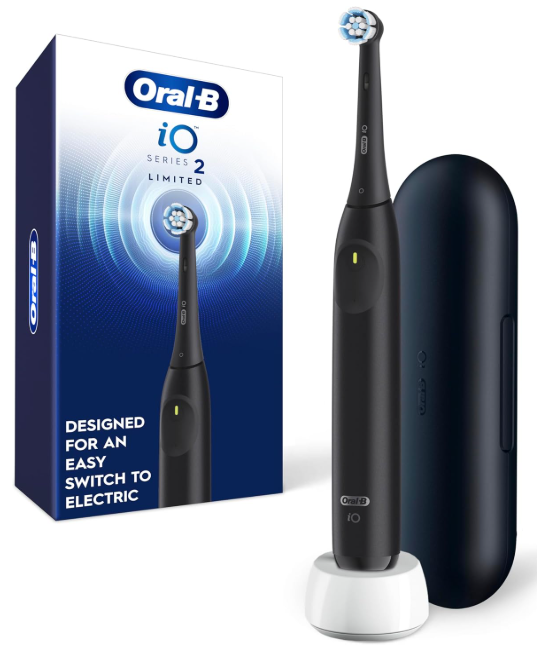
Electric toothbrushes are no longer just a “bathroom luxury.” They have become a very useful tool for improving daily oral hygiene. Within that world, the Oral-B iO line has become quite popular thanks to its modern design, magnetic motor, and smoother, more controlled cleaning feel. But when we have a model like the Oral-B iO Series 2, one of the most common questions is: what exactly do its brushing modes do?
Although all the modes may seem similar at first glance, each one is actually designed for a different need. Some aim for a more complete clean, others take better care of the gums, and others simply offer a more comfortable experience for people who are just starting to use an electric toothbrush.
In this guide, we are going to explain in a simple way what each Oral-B iO Series 2 mode means, when it is best to use it, and how to get more out of it without making things complicated.
What Is the Oral-B iO Series 2?
The Oral-B iO Series 2 is one of the entry-level models in Oral-B’s iO family. It is designed for people who want to move from a manual toothbrush or a basic electric toothbrush to a more advanced experience, without paying for premium features they may not need.
Unlike older Oral-B electric toothbrushes, the iO range combines oscillating-rotating movement with micro-vibrations. This means the brush head does not only rotate or move around the tooth, but also creates small vibrations that help loosen plaque more effectively.
The idea is simple: clean better, with less effort, and with a more pleasant feeling in the mouth.
How Many Modes Does the Oral-B iO Series 2 Have?
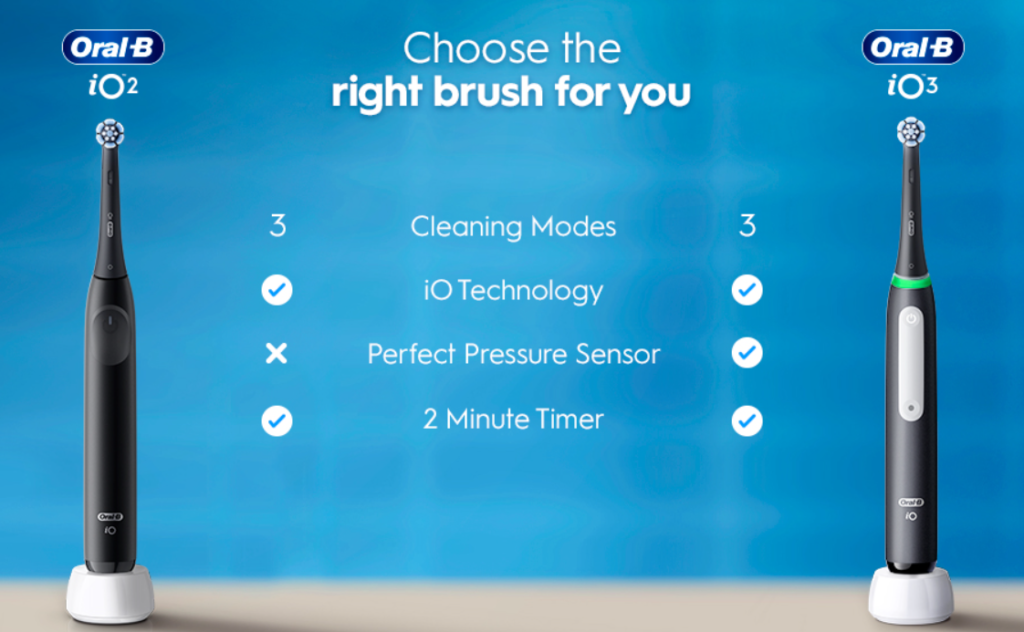
The Oral-B iO Series 2 usually includes basic brushing modes designed to cover the most common daily needs. Depending on the specific market or version, the presentation may vary slightly, but the main focus is usually to offer a comfortable and safe daily clean.
The most common modes in this type of model are:
Daily Clean
Daily Clean is the main mode and the one most recommended for the majority of users. It is the mode we would use every day, in the morning and at night, to maintain consistent oral hygiene.
This mode is designed to remove plaque, food debris, and buildup around the teeth and gumline. It is not overly gentle, but it should not feel aggressive either if the toothbrush is used correctly.
Ideally, you should use it for two minutes, dividing the mouth into four sections: upper right, upper left, lower right, and lower left. This helps avoid spending too much time on one area while forgetting another.
Sensitive
Sensitive mode is designed for people who feel discomfort when brushing, have delicate gums, or are transitioning from a manual toothbrush. It can also be a good option after a professional dental cleaning, when the mouth may feel slightly more sensitive for a few days.
This mode reduces brushing intensity to make the experience gentler. That does not mean it cleans poorly; it simply works with less force to avoid discomfort.
If Daily Clean feels like it “scrapes,” vibrates too much, or feels uncomfortable near the gums, Sensitive mode may be the better alternative.
Super Sensitive or Gentle Mode
Some versions of the iO line include an even gentler mode, designed for those who need maximum delicacy. This mode is useful for very sensitive gums, people who tend to experience bleeding, or users who simply prefer a less intense sensation.
It may also be helpful for teenagers, older adults, or people with dental treatments such as braces, implants, or crowns, always following the dentist’s recommendations.
The advantage of this mode is that it helps build the habit of using an electric toothbrush without feeling like the device is too powerful.
Which Mode Is Best for Everyday Use?

For most people, the best mode for everyday use is Daily Clean. It is balanced, effective, and designed to perform the toothbrush’s main function: cleaning the teeth thoroughly.
However, that does not mean it is mandatory to use it all the time. If you have sensitive gums, are just getting started, or notice discomfort, you can use Sensitive mode for several days or even permanently.
The best rule is to listen to your mouth. Good brushing should not hurt. It should not leave your gums irritated either. If you frequently notice bleeding, pain, or persistent sensitivity after brushing, it is a good idea to review your technique and consult a dental professional.
How to Change Modes on the Oral-B iO Series 2
Changing modes is usually very simple. Normally, it is done from the button on the handle, pressing it to turn on the toothbrush and switch between the available options.
On many electric toothbrushes, the selected mode is remembered for the next use. This is practical because if you prefer Sensitive mode, you do not have to set it every time. However, this may depend on the specific product version.
A useful tip is to try each mode for several brushing sessions, not just for a few seconds. Sometimes a mode may feel strange at first, but after two or three uses it becomes much more natural.
How to Use the Brushing Modes Correctly
The most common mistake with an electric toothbrush is using it as if it were a manual toothbrush. Many people move it from side to side with force, as if they were “scrubbing” their teeth. But with an Oral-B iO, the brush already does much of the work.
The recommendation is to place the brush head on each tooth and let it work for a few seconds. Then slowly move to the next tooth. There is no need to press too hard or make rough movements.
Do Not Press Too Hard
Too much pressure can irritate the gums and wear down enamel over time. Many Oral-B iO models include a pressure sensor, a very useful feature that warns you if you are brushing too hard.
If the toothbrush alerts you that you are applying too much pressure, loosen your grip. Cleaning does not improve by pressing harder. In fact, it can make the experience worse and cause discomfort.
Use the Two-Minute Timer
The recommended brushing time is usually two minutes. It sounds short, but when done properly, it can feel longer than expected. That is why the timer helps a lot.
The key is not to finish too early. A 30- or 40-second brushing session will rarely be enough to clean all areas of the mouth.
Replace the Brush Head When Needed
Brushing modes work better when the brush head is in good condition. If the bristles are splayed, worn, or deformed, performance drops.
As a general rule, it is a good idea to replace the brush head approximately every three months, or sooner if there is visible wear. It is also smart to replace it after an illness, such as a bad flu or oral infection.
Which Mode Should You Use If You Have Sensitive Gums?
If you have sensitive gums, it is best to start with Sensitive or Super Sensitive mode, depending on the mode available on your model. These modes reduce intensity and make brushing more comfortable.
It is also important to use the right brush head. Not all brush heads feel the same. Some are designed for deep cleaning, while others are gentler on the gums.
You should also avoid brushing in a rush. Speed and force are enemies of delicate gums. Slow, gentle, and consistent brushing usually delivers better results.
Which Mode Should You Use If You Are Coming From a Manual Toothbrush?
If this is your first time using an electric toothbrush, the Oral-B iO Series 2 may feel powerful at first. In that case, it is best to start with Sensitive mode for one or two weeks.
Once you get used to the vibration and the movement of the brush head, you can try Daily Clean mode. Many people eventually use this as their main mode, but making a gentle transition helps avoid discomfort.
Think of it like learning to drive a new car: you do not start by pressing the accelerator all the way down. First, you get familiar with the response, the feel, and the sensation.
Common Mistakes When Using the Oral-B iO Series 2
Even though the brush does much of the work, technique still matters. These are some common mistakes:
- Pressing too hard against the teeth.
- Brushing for less than two minutes.
- Always using a worn brush head.
- Not cleaning the handle or brush head after each use.
- Moving the brush as if it were manual.
- Forgetting the gumline.
- Using a mode that is too intense when there is sensitivity.
Avoiding these mistakes can make a big difference. Sometimes we do not need a more expensive toothbrush, but rather to use the one we already have better.
Is It Worth Using Different Modes?
Yes, but with common sense. There is no need to change modes every day as if you were configuring a spaceship. For many people, it is enough to use Daily Clean as the main mode and Sensitive when the gums feel more delicate.
The modes are tools. The important thing is to choose the one that adapts to your mouth at each moment. If one day you feel sensitivity, use a gentler mode. If you want a normal clean, use the daily mode.
That flexibility is precisely one of the advantages of these toothbrushes.
Tips to Improve Your Brushing Routine
To get more out of the Oral-B iO Series 2, you can follow a simple routine.
First, apply a moderate amount of fluoride toothpaste. There is no need to cover the entire brush head. Then place the toothbrush in your mouth before turning it on to avoid splashing.
Next, brush each area calmly, without pressing too hard. When finished, rinse the brush head, let it air dry, and clean the handle if there is toothpaste residue on it.
It is also recommended to complement brushing with dental floss or interdental brushes. An electric toothbrush cleans the surface of the teeth very well, but the spaces between teeth need extra attention.
Conclusion: Which Oral-B iO Series 2 Mode Should You Choose?
The Oral-B iO Series 2 is an interesting option for those who want to improve their oral hygiene routine without making things too complicated. Its brushing modes are designed to cover common situations: daily cleaning, sensitivity, and a softer experience when the mouth needs it.
For most users, Daily Clean will be enough as the main option. If you have sensitive gums, are starting with an electric toothbrush, or notice discomfort, Sensitive mode may be a better choice.
The most important thing is not to use the “strongest” mode, but to brush well, for the right amount of time, and with the right pressure. A good toothbrush helps, but good technique makes the difference.
Frequently Asked Questions About Oral-B iO Series 2 Modes
Does Sensitive mode clean as well as Daily Clean mode?
It cleans effectively, but with lower intensity. It is ideal for people with delicate gums or for those who feel discomfort with more powerful modes.
Can I always use Sensitive mode?
Yes. If it feels more comfortable and you do not have problems with plaque buildup, you can use it as your main mode. Even so, it is important to maintain good technique and brush for two minutes.
What is the best mode for beginners?
Sensitive mode is usually the best option for beginners. It helps you get used to the toothbrush movement without feeling too much intensity from the first day.
Should I change modes every time I brush?
Not necessarily. You can use one main mode and change only when needed. For example, Daily Clean normally and Sensitive when your gums feel delicate.
Do the modes replace good brushing technique?
No. The modes help, but they do not work miracles. Technique, brushing time, correct pressure, and regular brush head replacement are still essential.