
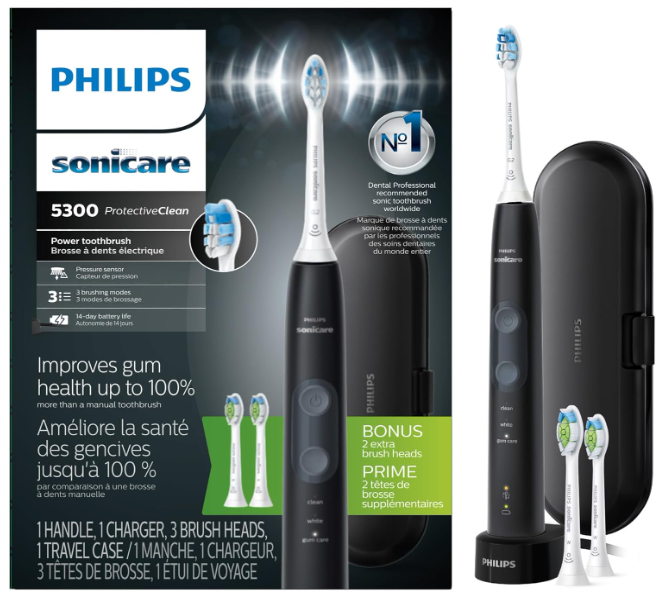
Choosing an electric toothbrush used to be simple. We grabbed whatever looked modern, buzzed a little louder than a manual brush, and hoped our dentist would nod approvingly six months later. But today? The landscape feels more like choosing between smartphones. Sensors, pressure alerts, brushing modes, timers, app compatibility—it’s a jungle of vibrating promises.
And right in the middle of that jungle stand two incredibly popular contenders from Philips: the Philips Sonicare 4100 and the Philips Sonicare 5300.
At first glance, they seem almost identical. Sleek handles. Sonic technology. Minimalist elegance. But underneath the surface, these brushes serve slightly different people—and understanding that difference can save us money, improve our oral health, and maybe even make brushing less of a chore.
So let’s dive deep into the real-world differences between the Philips Sonicare 4100 and 5300, without the robotic marketing fluff.
Why This Comparison Matters More Than Most People Think
We spend thousands on skincare, fitness gadgets, and nutrition. Yet the thing we use twice every single day—the toothbrush—often gets chosen in a rushed online purchase.
That’s a mistake.
A good electric toothbrush can:
- Improve gum health
- Reduce plaque more effectively
- Encourage better brushing habits
- Protect enamel
- Make dental cleanings easier
- Potentially reduce long-term dental costs
The difference between the 4100 and 5300 isn’t just “more features.” It’s about how much guidance, comfort, and cleaning personalization we actually want.
Quick Overview: Philips Sonicare 4100 vs 5300
Before we get into the weeds, here’s the short version.
| Feature | Sonicare 4100 | Sonicare 5300 |
|---|---|---|
| Cleaning Modes | 1 | 2 |
| Intensity Levels | 2 | 3 |
| Pressure Sensor | Yes | Yes (enhanced) |
| BrushSync Technology | Limited | Yes |
| Travel Case | Usually No | Usually Yes |
| Price | Lower | Higher |
| Best For | Simplicity | More customization |
Think of the 4100 as the dependable daily commuter car.
The 5300? More like the upgraded trim with extra comfort features and smarter controls.
Understanding Sonic Technology
Before comparing the brushes directly, we should understand what makes Sonicare brushes different in the first place.
Unlike rotating toothbrushes, Sonicare models use high-frequency sonic vibrations.
The technology creates fluid movement between teeth and along the gumline. Instead of simply scrubbing, it helps push toothpaste and water into hard-to-reach areas.
The result feels almost like a tiny pressure washer for your mouth.
And honestly? Once people switch from manual brushing to sonic brushing, going back can feel like washing dishes with cold water and no soap.
Design and First Impressions
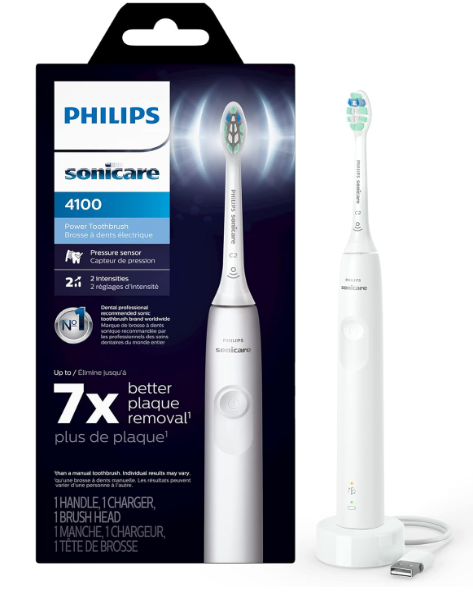
The Sonicare 4100 Keeps Things Simple
The 4100 embraces minimalism.
It has:
- One main button
- Clean design
- Lightweight handle
- Straightforward operation
There’s almost no learning curve. We pick it up, press the button, and brush.
That simplicity is part of its charm.
For people overwhelmed by too many settings and gadgets, the 4100 feels refreshingly uncomplicated.
The Sonicare 5300 Feels More Premium
The 5300 immediately feels like the more advanced sibling.
Not dramatically so—but enough.
The handle tends to feel:
- Slightly more refined
- More feature-oriented
- Better equipped for personalization
It usually includes:
- Additional brushing modes
- More intensity options
- Travel accessories
It’s like upgrading from economy seating to premium economy. The destination stays the same, but the ride feels smoother.
Cleaning Performance: Is There Actually a Difference?
This is the question everybody cares about.
Do our teeth end up cleaner?
The short answer:
Yes—but the difference is nuanced.
How the Sonicare 4100 Cleans
The 4100 offers one cleaning mode designed for everyday plaque removal.
And honestly, it performs extremely well.
For most users transitioning from:
- manual toothbrushes
- older electric brushes
- cheap battery-powered brushes
…the 4100 already feels like a major leap forward.
The sonic vibrations are powerful enough to leave teeth feeling professionally polished.
That “just left the dentist” sensation? The 4100 absolutely delivers it.
How the Sonicare 5300 Steps Things Up
The 5300 introduces more brushing versatility.
Depending on the model version, it may include:
- Clean mode
- Gum Care mode
- Adjustable intensity settings
This matters because not everyone’s mouth is the same.
Some people:
- have sensitive gums
- wear braces
- experience enamel erosion
- prefer softer brushing
- want deeper cleaning intensity
The 5300 adapts more effectively to those situations.
Pressure Sensor Technology
This feature is wildly underrated.
Many people brush way too hard.
Ironically, aggressive brushing doesn’t make teeth cleaner—it damages gums and wears enamel.
It’s like scrubbing a non-stick pan with steel wool.
Pressure Sensor on the 4100
The 4100 includes a pressure sensor that alerts us when we brush too aggressively.
This alone makes it superior to many budget electric toothbrushes.
The brush automatically reduces vibrations if excessive force is detected.
That’s huge for gum protection.
Pressure Sensor on the 5300
The 5300 refines this experience further.
Its pressure feedback feels:
- quicker
- smoother
- more responsive
The brush does a better job coaching brushing habits in real time.
For people with gum recession or sensitivity, that added refinement genuinely matters.
BrushSync Technology Explained
This is where the 5300 starts widening the gap.
What Is BrushSync?
BrushSync tracks brush head usage and reminds us when it’s time for replacement.
It’s surprisingly helpful.
Most people keep brush heads far too long. The bristles wear down gradually, so we barely notice performance dropping.
BrushSync eliminates the guesswork.
Does the 4100 Have BrushSync?
The 4100 has limited compatibility depending on the exact package version.
But the 5300 integrates it more fully and intelligently.
The experience feels more seamless.
Brushing Modes: Do We Really Need More Than One?
This is where opinions split sharply.
Some people never change modes.
Others love customization.
The 4100’s Single-Mode Philosophy
The 4100 says:
“Here’s the best everyday clean. Done.”
There’s beauty in that.
No menu scrolling.
No confusion.
No unnecessary complexity.
It’s toothbrush minimalism.
The 5300 Adds Flexibility
The 5300 introduces extra modes that can help:
- sensitive gums
- post-dental procedure care
- deep cleaning routines
- gentler nighttime brushing
For people serious about oral care, those extra options feel valuable.
For casual users? Maybe not.
Battery Life Comparison
Battery life on both models is excellent.
We’re talking roughly:
- 2 weeks on a single charge
- sometimes longer depending on usage
That’s convenient for:
- travel
- small bathrooms
- shared sinks
- avoiding constant charging clutter
Which Battery Feels Better in Daily Life?
Interestingly, both brushes perform similarly here.
Neither is frustrating.
Neither dies constantly.
Neither turns into another cable-dependent headache.
And that’s refreshing in today’s gadget-heavy world.
Travel Experience
Traveling With the Sonicare 4100
The 4100 is compact and lightweight.
But many packages don’t include:
- travel cases
- premium accessories
So frequent travelers may need to buy extras separately.
Traveling With the Sonicare 5300
The 5300 often includes a travel case.
That may sound minor—until we throw an exposed toothbrush into a backpack beside tangled chargers and snack crumbs.
The case adds:
- hygiene
- convenience
- portability
- protection
Frequent travelers will appreciate this immediately.
Noise Levels and Comfort
Neither brush is silent.
Sonic toothbrushes naturally create high-frequency vibrations.
But both remain relatively comfortable.
The 4100 Experience
The 4100 feels:
- energetic
- direct
- efficient
Some users may find the vibrations intense during the first week.
That’s normal.
The 5300 Experience
The 5300 feels more refined overall.
The adjustable intensity settings help reduce vibration discomfort.
For sensitive users, this makes a noticeable difference.
Who Should Buy the Sonicare 4100?
The 4100 is ideal for people who want:
- simplicity
- affordability
- effective cleaning
- easy operation
- minimal settings
It’s especially great for:
- first-time electric toothbrush users
- college students
- budget-conscious buyers
- people upgrading from manual brushes
The 4100 focuses on fundamentals—and it does them remarkably well.
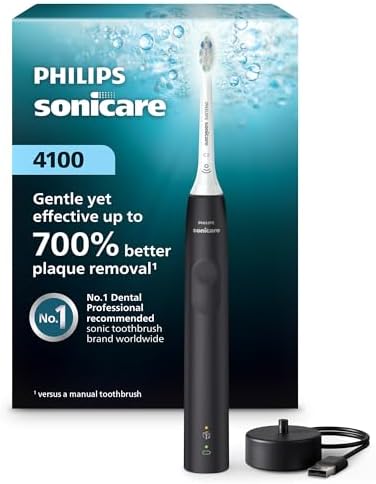
- The C2 Optimal Plaque brush head with soft, flexible, stain-removal bristles helps whiten and polish your teeth; it also…
- Electric toothbrush for adults providing gentle yet effective cleaning: the Advanced Sonic Technology pulses fluid betwe…
- Safe and gentle electric toothbrush with pressure sensor: if you apply too much pressure, the handle will pulse slightly…
Who Should Buy the Sonicare 5300?
The 5300 suits users who:
- care deeply about gum health
- want more customization
- appreciate smarter features
- travel frequently
- prefer premium convenience
It’s a better fit for:
- experienced electric toothbrush users
- people with sensitivity concerns
- dental-health enthusiasts
- users wanting more long-term flexibility

- Smart Brushing: Pressure sensor alerts you to protect gums and optimize cleaning
- Customizable Modes: Choose from Clean, White, or Gum Care for tailored oral care
- BrushSync Technology: Reminds you to replace brush head for effective cleaning
Price Difference: Is the 5300 Worth Paying More For?
This depends entirely on priorities.
Why the 4100 Offers Incredible Value
The 4100 delivers:
- sonic cleaning
- pressure protection
- excellent battery life
- reliable daily performance
…at a much lower price.
For many households, it hits the sweet spot perfectly.
Why Some People Prefer the 5300 Anyway
The 5300 just feels more polished.
The additional:
- modes
- intensity settings
- travel accessories
- smart reminders
…create a more premium ownership experience.
It’s not necessarily life-changing.
But it is nicer.
And sometimes those small quality-of-life upgrades matter more than raw specs.
Brush Heads Compatibility
Both brushes generally support a wide range of Sonicare brush heads.
That’s excellent because users can customize cleaning styles later without changing the handle itself.
Popular options include:
- plaque control heads
- gum care heads
- whitening heads
- sensitive brush heads
This flexibility extends the lifespan and versatility of both toothbrushes.
Long-Term Durability
Philips Sonicare brushes typically hold up well over time.
The 4100’s simpler design may actually benefit durability because fewer features mean fewer potential failure points.
Meanwhile, the 5300’s premium feel still maintains strong reliability overall.
Proper care matters more than model choice:
- rinse thoroughly
- avoid water buildup
- charge correctly
- replace heads regularly
Treat either brush well, and it can last for years.
Dentist Perspective: What Actually Matters Most
Most dentists would probably say this:
Technique matters more than fancy features.
A consistent brushing routine with a 4100 is far better than inconsistent brushing with a premium model.
That’s an important reality check.
The best toothbrush is the one we’ll actually use correctly twice a day.
Common Mistakes People Make With Sonic Toothbrushes
Brushing Too Hard
Electric toothbrushes do the work for us.
We guide.
We don’t scrub.
Moving Too Fast
Many people rush across their teeth like they’re late for a meeting.
Slow down.
Let the sonic action work.
Ignoring Brush Head Replacement
Worn bristles reduce cleaning effectiveness dramatically.
Replace brush heads regularly.
How These Brushes Feel in Real Life
This is where specs stop mattering and experience takes over.
The 4100 feels:
- practical
- reliable
- straightforward
The 5300 feels:
- polished
- smarter
- more adaptive
Neither feels cheap.
Neither feels gimmicky.
The difference comes down to how much customization we personally value.
The Hidden Cost: Replacement Brush Heads
Many buyers focus only on handle price.
That’s a mistake.
Brush heads become the ongoing expense.
Fortunately, both models use widely available Sonicare-compatible heads.
Buying multi-packs significantly reduces long-term costs.
Can Either Toothbrush Replace Professional Cleanings?
No.
And no toothbrush should promise that.
But both can:
- improve daily plaque removal
- support healthier gums
- reduce tartar buildup
- encourage better brushing habits
Think of them as excellent maintenance tools—not miracle workers.
Which Toothbrush Feels Better for Sensitive Teeth?
The 5300 generally wins here.
Its extra intensity settings create:
- gentler experiences
- more brushing flexibility
- smoother adaptation periods
However, many sensitive users still do perfectly fine with the 4100.
Especially when paired with:
- soft brush heads
- sensitive toothpaste
- proper brushing pressure
Minimalism vs Features: The Core Decision
This comparison ultimately boils down to philosophy.
Choose the 4100 If You Believe:
- simpler is better
- fewer settings reduce frustration
- value matters most
- core cleaning performance is enough
Choose the 5300 If You Believe:
- customization improves comfort
- premium features matter
- oral care deserves extra investment
- smarter technology enhances routines
Neither philosophy is wrong.
They simply reflect different lifestyles.
Final Verdict: Philips Sonicare 4100 vs 5300
The Philips Sonicare 4100 is arguably one of the best value electric toothbrushes available today. It strips away unnecessary complexity and focuses on delivering excellent everyday cleaning performance.
Meanwhile, the Philips Sonicare 5300 refines the experience with extra modes, more personalized intensity settings, smarter tracking features, and better travel convenience.
If we want:
- affordability
- simplicity
- dependable performance
…the 4100 is more than enough.
If we want:
- extra comfort
- flexibility
- premium polish
- enhanced customization
…the 5300 becomes easier to justify.
In the end, both brushes outperform manual brushing dramatically. The “better” option depends less on technology and more on our habits, preferences, and expectations.
And honestly? Whichever model gets us brushing more consistently and more carefully is already the winner.
Frequently Asked Questions
Is the Philips Sonicare 5300 better than the 4100?
The 5300 offers more features, including additional modes and intensity settings, but the 4100 still delivers excellent cleaning performance for most users.
Does the Sonicare 4100 have a pressure sensor?
Yes, the Sonicare 4100 includes a pressure sensor that helps prevent aggressive brushing.
Are Sonicare 4100 and 5300 brush heads interchangeable?
In most cases, yes. Both models support many Sonicare-compatible brush heads.
Which toothbrush is better for sensitive gums?
The Sonicare 5300 usually performs better for sensitive gums because of its customizable intensity settings and refined brushing experience.
How long do Sonicare toothbrush batteries last?
Both the 4100 and 5300 typically last around two weeks per charge with regular use.