
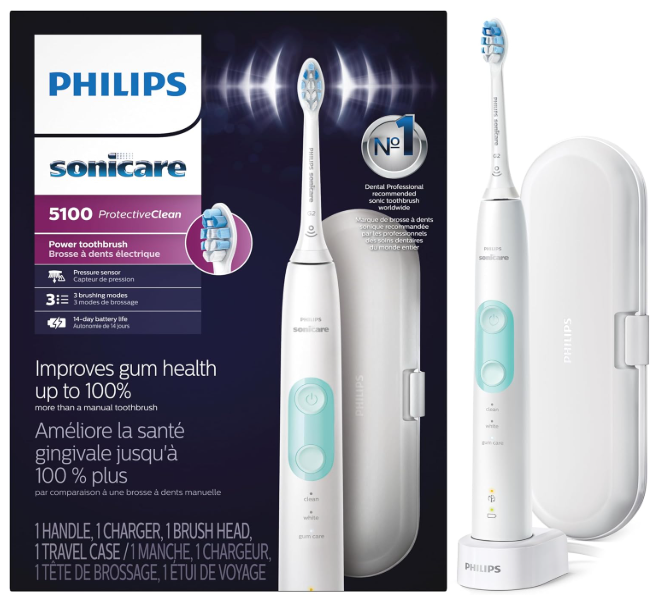
When we shop for an electric toothbrush, the options can feel like standing in front of a wall of nearly identical smartphones. Everything looks similar. Every model promises healthier teeth. Every box screams “superior plaque removal.” Yet once we dig deeper, tiny differences suddenly become deal-breakers.
That’s exactly what happens with the Philips Sonicare 4100 and the Philips Sonicare 5100.
At first glance, they seem almost identical. Same sleek Sonicare DNA. Same sonic cleaning technology. Same recognizable Philips design language. But beneath the surface, these two toothbrushes target very different users.
So which one deserves a spot on your bathroom counter?
We spent time comparing performance, cleaning modes, pressure sensors, battery life, brush compatibility, comfort, pricing, and long-term ownership value to uncover the real answer.
Let’s dive in.
Why the Philips Sonicare Line Remains So Popular
Before comparing the 4100 and 5100 directly, it helps to understand why Sonicare toothbrushes dominate conversations about oral care.
Unlike rotating brushes that scrub mechanically, Sonicare brushes use high-frequency sonic vibrations. These vibrations create fluid movement between teeth and along the gumline, almost like tiny waves washing away plaque.
The result?
- Gentler brushing
- Better gum protection
- Improved cleaning in hard-to-reach spaces
- Less aggressive sensation compared to rotating brushes
For many people, switching from a manual toothbrush to Sonicare feels like upgrading from a bicycle to a sports car.
And yes, your mouth notices immediately.
Philips Sonicare 4100 Overview
The Philips Sonicare 4100 sits in the mid-range category of Philips’ lineup. It’s designed for people who want premium cleaning without paying luxury-tier prices.
Key highlights include:
- One cleaning mode
- Built-in pressure sensor
- BrushSync replacement reminder
- Two intensity settings
- Long battery life
- Slim lightweight design
In many ways, the 4100 is the “minimalist sweet spot” in the Sonicare family.
It avoids unnecessary complexity while still delivering significantly better cleaning than a manual toothbrush.
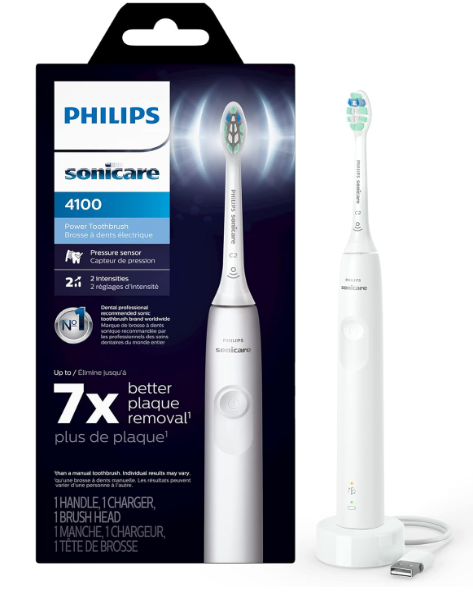
Philips Sonicare 5100 Overview
The Philips Sonicare 5100 takes things a step further.
This model targets users who want more personalization and enhanced gum care features without jumping into ultra-premium territory.
Its notable features include:
- Multiple brushing modes
- Three intensity levels
- Pressure sensor
- BrushSync technology
- Improved gum-focused cleaning
- More customization options
Think of the 5100 as the more refined sibling. Not dramatically different—but noticeably more sophisticated.
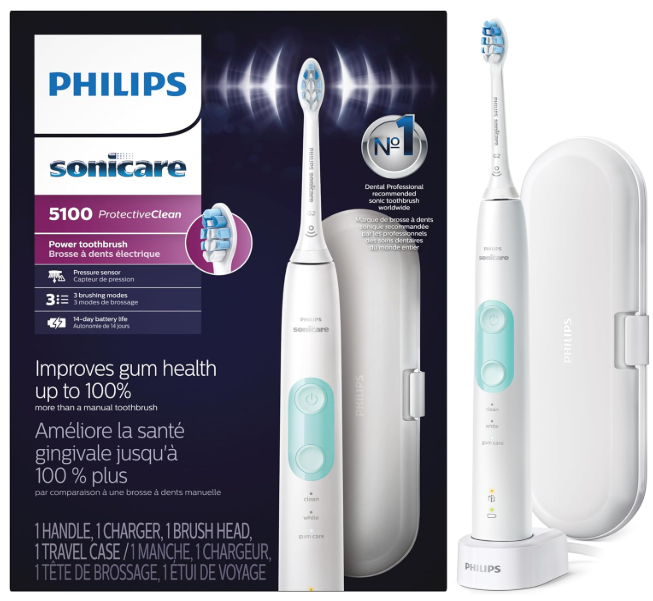
Design and Build Quality Comparison
A Familiar Sonicare Aesthetic
Honestly, if we placed both brushes side-by-side without labels, many people would struggle to identify which is which.
Both feature:
- Slim ergonomic handles
- Matte-style finishes
- Minimalist button layouts
- Lightweight construction
- Compact charging bases
Philips has mastered the “modern bathroom elegance” look.
Neither brush feels cheap. Even the 4100 maintains a premium hand-feel.
Does the 5100 Feel More Premium?
Slightly.
The 5100 usually includes more polished finishes and occasionally more premium color options depending on the package.
But this isn’t a dramatic luxury leap.
The real difference lives inside the software and brushing experience—not necessarily in appearance.
Cleaning Performance: Is There a Real Difference?
Here’s where things get interesting.
Both brushes use Sonicare sonic technology, meaning both deliver:
- Up to 62,000 brush movements per minute
- Deep plaque disruption
- Gumline cleaning
- Gentle polishing action
For basic plaque removal, the difference isn’t massive.
But subtle improvements matter.
Philips Sonicare 4100 Cleaning Experience
The 4100 focuses on straightforward daily cleaning.
It’s simple:
Turn it on. Brush for two minutes. Done.
The cleaning sensation feels:
- Smooth
- Consistent
- Gentle
- Easy for first-time electric toothbrush users
For someone upgrading from manual brushing, the 4100 already feels revolutionary.
Philips Sonicare 5100 Cleaning Experience
The 5100 introduces additional brushing modes that change the overall experience.
These modes can include:
- Clean
- White
- Gum Care
This allows the brush to adapt based on your needs.
For example:
- Gum Care mode extends brushing time for gum stimulation
- White mode focuses more heavily on surface stain removal
The 5100 therefore feels more “intelligent” and customizable.
Pressure Sensor Comparison
Why Pressure Sensors Matter
Most people brush too hard.
Ironically, aggressive brushing can damage enamel and irritate gums rather than improve cleanliness.
Pressure sensors help solve this problem.
Philips Sonicare 4100 Pressure Sensor
The 4100 includes a basic but effective pressure sensor.
When you push too hard:
- Vibrations change
- The brush alerts you
- Brushing intensity reduces
This feature alone makes the 4100 a worthwhile upgrade over cheaper electric toothbrushes.
Philips Sonicare 5100 Pressure Sensor
The 5100 also includes pressure sensing, but it often feels more refined and responsive.
Combined with extra intensity settings, users gain more nuanced control over brushing force.
This becomes especially important for people with:
- Sensitive gums
- Orthodontic work
- Gum recession
- Dental implants
Brushing Modes Explained
4100 Simplicity
The 4100 keeps things beautifully uncomplicated.
You get:
- One primary cleaning mode
- Two intensity levels
That’s it.
And honestly? Many people prefer this.
No confusing settings.
No mode-hopping.
No unnecessary decisions at 7 AM.
5100 Customization
The 5100 is designed for users who want flexibility.
Typical mode combinations include:
| Feature | Sonicare 4100 | Sonicare 5100 |
|---|---|---|
| Cleaning Modes | 1 | Multiple |
| Intensity Levels | 2 | 3 |
| Gum Care Mode | No | Yes |
| Whitening Mode | No | Yes |
This flexibility can genuinely improve the brushing experience depending on your dental priorities.
Battery Life Comparison
Both toothbrushes perform impressively here.
Philips Sonicare 4100 Battery
Battery life typically reaches:
- Around 14 days
- Sometimes longer with lighter usage
That’s excellent for travel.
Philips Sonicare 5100 Battery
The 5100 delivers similar battery performance.
However, extra modes and intensity settings can slightly affect battery longevity depending on usage habits.
Still, most users comfortably achieve:
- 2 weeks per charge
That’s far ahead of many cheaper competitors.
Noise and Vibration Levels
One thing new Sonicare users often notice immediately is the sound.
These brushes produce a high-frequency humming sensation rather than grinding mechanical rotation.
4100 Feel
The 4100 feels:
- Smooth
- Controlled
- Slightly softer
It’s approachable for beginners.
5100 Feel
The 5100 can feel:
- More powerful
- More dynamic
- Slightly more intense in certain modes
Especially in whitening modes, vibration intensity becomes more noticeable.
Brush Head Compatibility
Both models support a wide range of Sonicare brush heads.
Compatible options often include:
- Plaque Control
- Gum Care
- Sensitive
- Whitening heads
- Premium plaque defense heads
This flexibility matters because the brush head often influences cleaning results more than the handle itself.
BrushSync Technology Explained
Both brushes support BrushSync technology.
This system tracks brush-head usage and reminds users when replacement is needed.
It’s surprisingly useful.
Most people keep brush heads far too long—like driving on bald tires and hoping for the best.
BrushSync helps maintain consistent cleaning performance.
Who Should Buy the Philips Sonicare 4100?
The 4100 is ideal for people who want:
- Simplicity
- Affordability
- Effective daily cleaning
- Minimal learning curve
- Reliable gum protection
This brush shines for:
- First-time electric toothbrush users
- College students
- Budget-conscious shoppers
- People who dislike excessive features
It’s the “just works” option.
And there’s beauty in that.
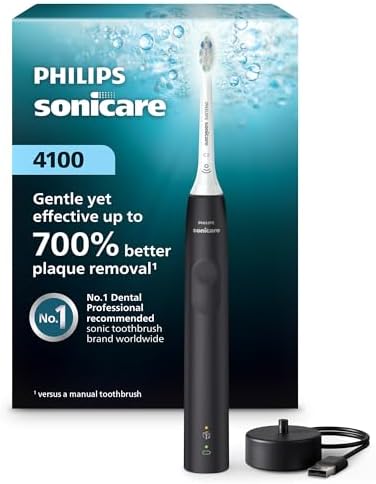
- The C2 Optimal Plaque brush head with soft, flexible, stain-removal bristles helps whiten and polish your teeth; it also…
- Electric toothbrush for adults providing gentle yet effective cleaning: the Advanced Sonic Technology pulses fluid betwe…
- Safe and gentle electric toothbrush with pressure sensor: if you apply too much pressure, the handle will pulse slightly…
Who Should Buy the Philips Sonicare 5100?
The 5100 fits users seeking:
- More customization
- Gum-focused brushing
- Whitening assistance
- Enhanced intensity control
- Premium daily experience
It’s especially useful for:
- Users with gum sensitivity
- Cosmetic-focused users
- Long-time Sonicare fans
- People upgrading from entry-level models
The 5100 feels more tailored and personalized.

- Efficient gum care and plaque removal: this electric toothbrush for adults enhances your gum health up to 100% and remov…
- Smart brushing: a pressure sensor that automatically detects pressure you apply, warns you, and reduces the toothbrush v…
- Personalized oral care: Clean mode for superior cleaning, White mode to remove surface stains, and Gum Care mode to gent…
Travel Friendliness
Both brushes travel well.
4100 Travel Advantages
The 4100 wins slightly for portability because of its simplicity and lightweight design.
Less complexity often means easier travel usage.
5100 Travel Considerations
Some 5100 packages include travel cases depending on retailer bundles.
That can be valuable for frequent travelers.
Still, both models are highly portable.
Price Difference: Is the 5100 Worth Paying More For?
This is the real battlefield.
The 4100 often costs significantly less.
Meanwhile, the 5100 usually commands a premium for:
- Extra modes
- Additional intensity settings
- Enhanced gum-care functionality
So the question becomes:
Do those features truly matter to you?
When the 4100 Makes More Sense
Choose the 4100 if:
- You mainly want cleaner teeth
- You’re upgrading from manual brushing
- You don’t care about whitening modes
- You prefer simplicity
- You want strong value
For many households, the 4100 hits the perfect balance.
When the 5100 Justifies the Extra Cost
The 5100 earns its higher price if:
- You have gum concerns
- You value brushing customization
- You want whitening-focused modes
- You enjoy premium wellness products
- You appreciate personalization
It’s not dramatically better—but it is noticeably more refined.
Daily User Experience Comparison
Living With the 4100
The 4100 becomes almost invisible in your routine.
That’s actually a compliment.
It’s predictable, consistent, and dependable.
No friction.
No confusion.
No overthinking.
Living With the 5100
The 5100 feels more interactive.
You may switch modes based on:
- Morning freshness
- Gum sensitivity
- Whitening goals
- Comfort preferences
Some people love this flexibility.
Others eventually ignore the modes entirely.
Durability and Reliability
Philips Sonicare toothbrushes generally maintain strong reputations for longevity.
Both models feature:
- Solid waterproofing
- Durable motors
- Reliable charging systems
- Long-lasting batteries
With proper maintenance, either brush can serve for years.
The main maintenance cost will always be replacement brush heads.
Can Either Brush Improve Gum Health?
Yes—both can significantly improve gum health compared to manual brushing.
Sonic vibration technology helps reduce plaque accumulation around the gumline while minimizing aggressive scrubbing.
However, the 5100’s dedicated gum-care functionality gives it a small advantage for users specifically focused on gum improvement.
Whitening Performance Comparison
Neither brush magically transforms teeth overnight.
Let’s be realistic.
But the 5100’s whitening mode can improve surface stain removal more effectively over time.
This matters for:
- Coffee drinkers
- Tea lovers
- Wine drinkers
- Smokers
- Soda drinkers
The difference isn’t dramatic, but it is noticeable after consistent use.
Which Brush Feels Better for Sensitive Teeth?
Surprisingly, both perform very well for sensitivity.
The sonic motion feels gentler than many rotating brushes.
Still, the 5100’s additional intensity settings provide more control for users with extreme sensitivity.
Our Final Verdict on Philips Sonicare 4100 vs 5100
Here’s the honest truth:
Most users will be perfectly happy with the Philips Sonicare 4100.
It delivers excellent cleaning performance, great battery life, pressure protection, and premium Sonicare technology without unnecessary complexity.
But the Philips Sonicare 5100 feels like the more complete experience.
It offers:
- Better customization
- Improved gum-focused care
- Whitening functionality
- Greater intensity flexibility
If your budget allows it and you enjoy premium features, the 5100 becomes the more satisfying long-term purchase.
If you simply want healthier teeth with minimal hassle, the 4100 is arguably the smarter value.
In many ways, this comparison feels less like economy versus luxury and more like simplicity versus personalization.
And that’s exactly why both brushes continue attracting loyal fans.
Conclusion
Choosing between the Philips Sonicare 4100 and 5100 ultimately depends on how you approach daily routines.
Some people want technology to disappear quietly into the background. Others want features, customization, and precision.
The 4100 excels because it strips away distractions and focuses on dependable cleaning performance.
The 5100 succeeds because it gives users greater control and a more tailored brushing experience.
Neither choice is wrong.
The better toothbrush is simply the one you’ll consistently use twice every day.
And honestly, that habit matters far more than any marketing slogan printed on the box.
FAQs
Is the Philips Sonicare 5100 better than the 4100?
The 5100 offers more brushing modes, additional intensity settings, and enhanced gum-care features, but the 4100 still delivers excellent core cleaning performance.
Does the Sonicare 4100 have a pressure sensor?
Yes, the 4100 includes a built-in pressure sensor that alerts users when brushing too aggressively.
Can the Sonicare 5100 whiten teeth?
The 5100 includes a whitening mode designed to improve surface stain removal over time with consistent use.
Are Sonicare brush heads interchangeable between the 4100 and 5100?
Yes, both toothbrushes support many Philips Sonicare brush heads.
Which toothbrush is better for sensitive gums?
Both work well for sensitive gums, but the 5100 offers more intensity adjustments and gum-focused modes for additional comfort.