
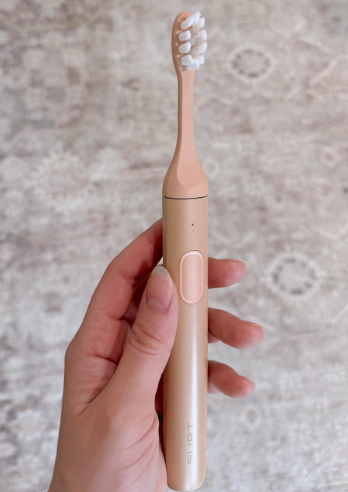
A SURI toothbrush is designed to be sustainable, stylish, and highly effective at cleaning teeth. But even the most advanced electric toothbrush can only perform at its best when the brush head is in good condition. One of the most common questions users ask is: how often should you replace a SURI toothbrush head?
The short answer is simple: replace your SURI toothbrush head every 12 weeks (3 months). However, several factors can influence this timeline, including brushing habits, pressure, oral health conditions, and even how well you care for the brush head between uses.
In this comprehensive guide, we’ll explore everything you need to know about replacing your SURI toothbrush head, recognizing signs of wear, maximizing brush performance, and maintaining optimal oral hygiene.
Why Replacing Your SURI Toothbrush Head Matters
Many people focus on brushing frequency while overlooking the condition of the brush head itself. Yet the brush head is the part that directly interacts with your teeth and gums.
Over time, bristles become:
- Frayed
- Bent
- Less effective at removing plaque
- More likely to irritate gums
- Less capable of reaching tight spaces
Think of your toothbrush head like a kitchen knife. Even the best knife becomes less effective when it loses its edge. Similarly, a worn toothbrush head loses its cleaning power.
Replacing it regularly helps ensure every brushing session delivers the best possible results.
The Official Recommendation for SURI Brush Head Replacement
Replace Every 12 Weeks
Most dental professionals and toothbrush manufacturers recommend replacing electric toothbrush heads every three months.
This recommendation applies to SURI toothbrush heads as well.
Twelve weeks is generally the point at which bristles begin to lose their optimal shape and cleaning effectiveness.
Benefits of following this schedule include:
- Better plaque removal
- Improved gum health
- Fresher breath
- Reduced bacteria buildup
- More consistent brushing performance
If you can’t remember when you started using a brush head, it may be time to replace it.
How Brush Head Wear Affects Cleaning Performance
Plaque Removal Decreases Over Time
Fresh bristles maintain their shape and firmness.
As they wear down, they become less capable of sweeping away plaque and food particles.
Research consistently shows that worn toothbrush bristles remove less plaque than new ones.
This means you could be brushing for the same amount of time while achieving inferior results.
Hard-to-Reach Areas Become Harder to Clean
New brush heads effectively reach:
- Along the gumline
- Between teeth
- Behind molars
- Around dental work
Once bristles become splayed, these areas become increasingly difficult to clean thoroughly.
Signs It’s Time to Replace Your SURI Toothbrush Head
Visible Bristle Fraying
The most obvious sign is frayed or bent bristles.
If your brush head looks like a small explosion of bristles rather than a neat cluster, replacement is overdue.
Reduced Cleaning Sensation
A fresh brush head often leaves teeth feeling exceptionally smooth.
If that clean feeling disappears, worn bristles may be the culprit.
Discoloration of Bristles
Some brush heads may show staining over time due to:
- Toothpaste residue
- Food pigments
- Minerals in water
While discoloration alone doesn’t always mean replacement is necessary, it can indicate age and wear.
Brush Head Older Than Three Months
Even if it appears fine, replacing it every 12 weeks remains the safest approach.
Factors That May Require Earlier Replacement
Not everyone wears out a toothbrush head at the same rate.
Aggressive Brushing
Many people mistakenly believe harder brushing equals cleaner teeth.
In reality, excessive pressure:
- Damages bristles faster
- Increases gum recession risk
- Accelerates brush head wear
If you brush aggressively, replacement may be necessary every 6 to 8 weeks.
Brushing More Than Twice Daily
If you brush after every meal, your brush head experiences significantly more use.
Frequent brushers may need more frequent replacements.
Orthodontic Treatment
Braces create numerous surfaces and angles requiring extra brushing effort.
Brush heads often wear faster during orthodontic treatment.
Can You Use a SURI Brush Head Longer Than Three Months?
Technically, Yes
The brush won’t suddenly stop working on day 91.
However, effectiveness gradually declines.
Using a brush head beyond the recommended replacement period may result in:
- Less plaque removal
- Increased tartar buildup
- Reduced gum stimulation
- Lower overall cleaning quality
Is It Worth Saving Money?
Extending brush head use might seem economical.
Yet the cost of:
- Professional cleanings
- Fillings
- Gum treatments
Far exceeds the price of replacement heads.
How to Make Your SURI Brush Head Last Longer
Use Gentle Pressure
Let the toothbrush do the work.
Gentle pressure helps:
- Protect gums
- Extend bristle life
- Improve brushing technique
Rinse Thoroughly After Use
After brushing:
- Remove excess toothpaste.
- Rinse under running water.
- Shake off excess moisture.
This reduces residue buildup.
Store Upright
Proper drying prevents moisture accumulation.
Always allow the brush head to air dry between uses.
Avoid Closed Containers
Sealed environments trap moisture.
Moisture encourages bacterial growth and may shorten brush head lifespan.
What Happens If You Never Replace Your Brush Head?
Neglecting replacement can create several problems.
Less Effective Cleaning
The most immediate consequence is reduced plaque removal.
Greater Risk of Gum Problems
Worn bristles may fail to clean effectively near the gumline.
This can contribute to:
- Gingivitis
- Gum inflammation
- Bleeding gums
More Bacteria Retention
Older brush heads can accumulate:
- Toothpaste residue
- Bacteria
- Food debris
Although rinsing helps, regular replacement remains essential.
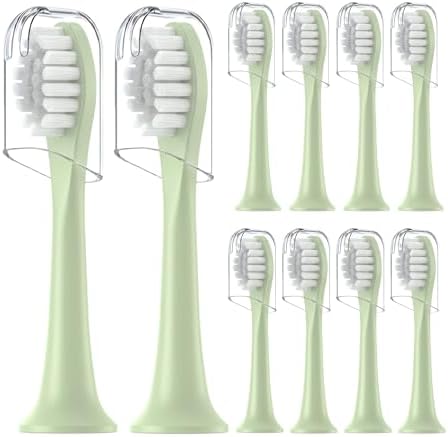

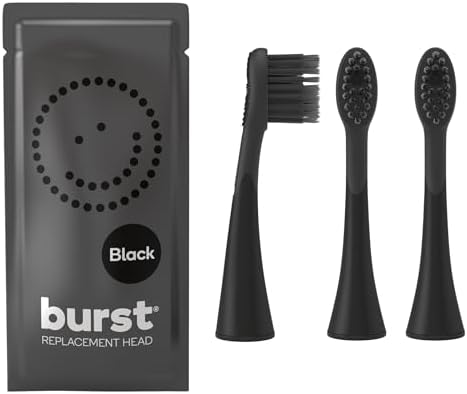
SURI Toothbrush Heads and Sustainability
One reason many people choose SURI is its commitment to sustainability.
A More Eco-Friendly Approach
Traditional plastic toothbrush heads contribute significantly to waste.
SURI addresses this concern through thoughtfully designed replacement heads and recycling initiatives.
Balancing Sustainability and Hygiene
Some users hesitate to replace brush heads regularly because they want to minimize waste.
Fortunately, replacing heads every three months strikes an ideal balance between:
- Oral health
- Product performance
- Environmental responsibility
How Many SURI Brush Heads Do You Need Per Year?
The math is simple.
Standard Usage
If you replace your brush head every three months:
- 1 year = 4 brush heads
Heavy Usage
If you replace every two months:
- 1 year = 6 brush heads
Keeping spare brush heads on hand prevents delays when replacement time arrives.
Should Multiple Family Members Share Brush Heads?
Absolutely Not
Even if family members use the same SURI handle, brush heads should never be shared.
Sharing can transfer:
- Bacteria
- Viruses
- Oral pathogens
Each user should have their own dedicated brush head.
Replacing Brush Heads After Illness
A Smart Preventive Measure
After recovering from:
- Flu
- Cold
- Strep throat
- Oral infections
Replacing the brush head is often recommended.
While reinfection risk is generally low, a fresh brush head provides extra peace of mind.
Do Children Need More Frequent Brush Head Changes?
Sometimes
Children often:
- Bite bristles
- Brush aggressively
- Drop toothbrushes
These habits can damage brush heads more quickly.
Parents should inspect children’s brush heads regularly.
If bristles appear distorted, replace them immediately.
How to Know If Your Brushing Technique Is Damaging the Brush Head
Check Bristle Shape
Healthy brushing leaves bristles relatively straight.
If bristles consistently flare outward after only a few weeks, excessive pressure may be the issue.
Monitor Wear Patterns
Rapid wear often indicates:
- Pressing too hard
- Scrubbing motions
- Incorrect brushing angle
Improving technique can enhance both oral health and brush head longevity.
Best Practices for Maximum Oral Health
Follow the Complete Routine
Replacing your SURI toothbrush head is only one part of a healthy dental routine.
Combine it with:
- Brushing twice daily
- Daily flossing
- Regular dental checkups
- Limiting sugary snacks
- Using fluoride toothpaste
Together, these habits create a strong foundation for lifelong oral health.
Comparing New vs. Worn SURI Brush Heads
| Feature | New Brush Head | Worn Brush Head |
|---|---|---|
| Plaque Removal | Excellent | Reduced |
| Gum Cleaning | Effective | Less Effective |
| Bristle Shape | Uniform | Frayed |
| Comfort | Consistent | Variable |
| Reach Between Teeth | Optimal | Reduced |
| Cleaning Performance | Maximum | Declining |
Common Mistakes When Using SURI Brush Heads
Waiting Too Long to Replace
Many users continue using worn heads for six months or longer.
Applying Too Much Pressure
Force does not equal effectiveness.
Poor Storage Habits
Keeping a wet brush in a closed container can reduce hygiene.
Ignoring Visible Wear
If the bristles are visibly damaged, replacement should happen immediately.
The Ideal Replacement Schedule
Every 12 Weeks for Most Users
For the majority of people:
- Week 1–4: Peak performance
- Week 5–8: Excellent performance
- Week 9–12: Good performance
- Week 13+: Time to replace
Following this simple timeline ensures your SURI toothbrush continues performing as intended.
Conclusion
When it comes to the question of how often to replace a SURI toothbrush head, the answer is clear: every 12 weeks, or about every three months. This replacement schedule helps maintain optimal plaque removal, protects gum health, and ensures your toothbrush delivers the cleaning performance it was designed to provide.
Think of your brush head as the tires on a car. Even the most advanced vehicle can’t perform properly on worn tires. Likewise, your premium SURI toothbrush can only deliver exceptional results when paired with a fresh, effective brush head.
By replacing your brush head regularly, brushing gently, and maintaining good oral hygiene habits, you’ll enjoy cleaner teeth, healthier gums, and a brighter smile year-round.
FAQs
1. How often should I replace my SURI toothbrush head?
You should replace your SURI toothbrush head every 12 weeks or approximately every three months.
2. Can I use a SURI brush head for longer than three months?
Yes, but cleaning effectiveness gradually declines, making replacement every three months the recommended option.
3. What are the signs that a SURI brush head needs replacing?
Frayed bristles, reduced cleaning performance, discoloration, and visible wear are common indicators.
4. Should I replace my SURI brush head after being sick?
Many dental professionals recommend replacing the brush head after recovering from an illness as an extra hygiene precaution.
5. Does brushing harder clean teeth better?
No. Excessive pressure damages bristles, may harm gums, and reduces brush head lifespan without improving cleaning results.